Consumer Protection Laws in Finance: What You Need to Know
7 February 2026
Money matters are already stressful enough, right? But imagine diving into a financial decision—like getting a loan, signing up for a credit card, or investing your savings—without knowing your rights as a consumer. That's like walking into a deal blindfolded.
That’s exactly why consumer protection laws in finance exist. They’re there to level the playing field, so the average person—you, me, your neighbor—can navigate the complex world of money without getting burned. In this article, we’re going to break down what these laws are, why they matter, and how they impact your everyday financial life.
Let’s jump in and make some sense of this legal safety net.
What Are Consumer Protection Laws in Finance?
In a nutshell, consumer protection laws are like the rulebook that makes sure financial companies play fair. They’re designed to shield you from shady practices like hidden fees, discriminatory lending, aggressive collections, and misleading advertising.These laws cover a wide range of financial sectors:
- Credit cards 🧾
- Loans 🏦
- Mortgages 🏠
- Investments 📈
- Bank accounts 💳
Think of them as your financial bodyguard, making sure companies aren’t taking advantage of you.
Why Do They Matter?
Let’s face it—finance can feel like a foreign language. APRs, compound interest, balloon payments... it’s enough to make anyone’s head spin.Now imagine trying to navigate all that while dealing with an entity that isn’t required to be honest or fair. That’s the exact scenario these laws prevent. They’re not just helpful—they’re crucial. Here’s why:
- Transparency: You get all the info you need to make a smart financial decision.
- Fairness: It keeps everyone playing by the same rules.
- Accountability: If a company messes up, they can be penalized.
- Protection: You have a channel to report mistreatment and seek compensation.
Put simply: consumer protection laws give power back to the people.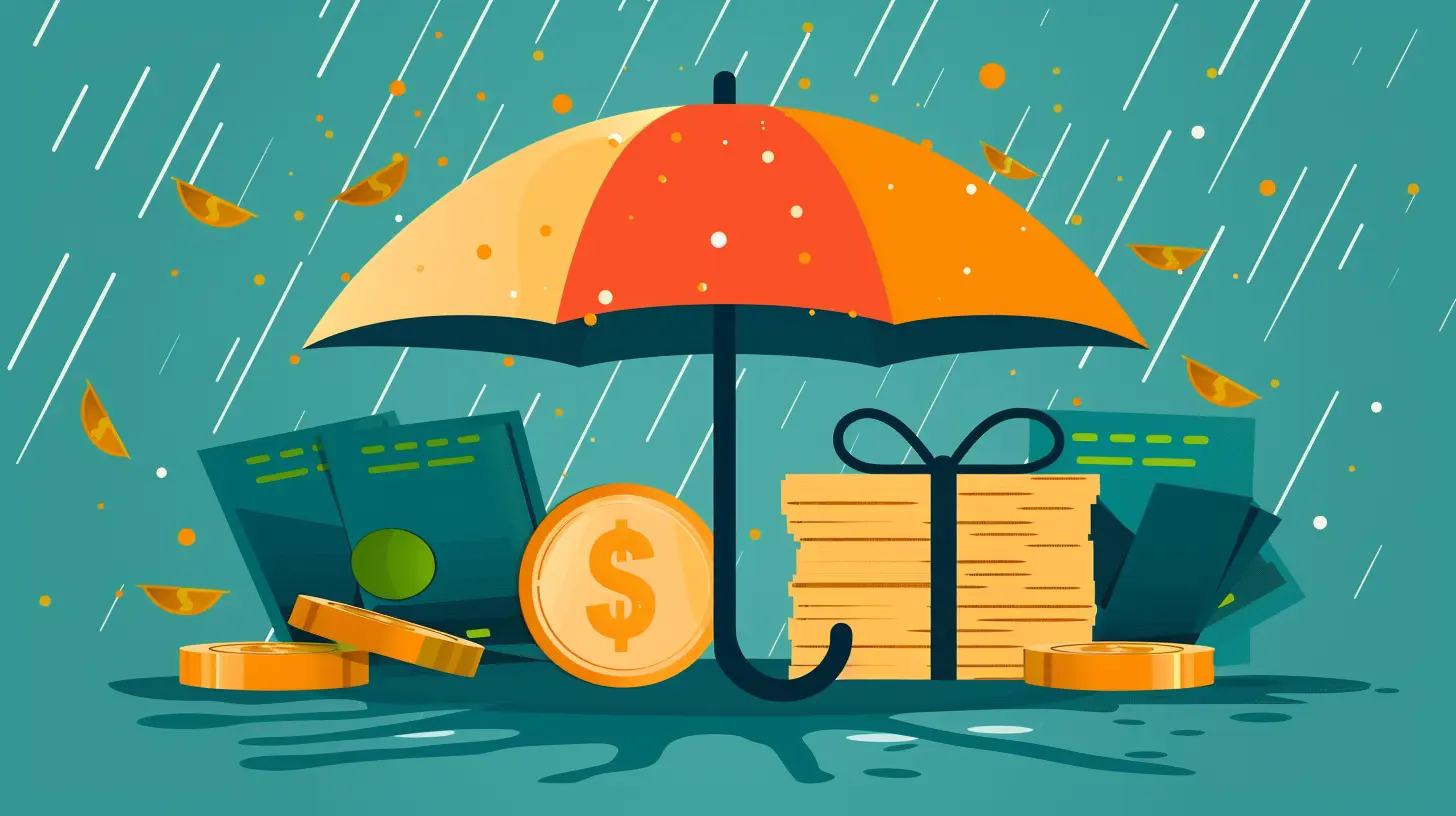
Key Financial Consumer Protection Laws You Should Know
There’s a whole alphabet soup of laws and agencies out there, but don’t worry—I’ll break them down in plain English.1. Truth in Lending Act (TILA)
Ever been confused by credit card terms? That’s exactly what the Truth in Lending Act was made for.TILA requires lenders to clearly disclose the cost of borrowing. Things like:
- Annual Percentage Rate (APR)
- Total finance charges
- Payment schedules
No more surprises in the fine print. You get to see what you’re truly signing up for before you sign anything.
2. Fair Credit Reporting Act (FCRA)
This one’s all about your credit reports.The FCRA gives you the right to:
- Know what’s in your credit report
- Dispute errors
- Limit who can view your credit info
It’s like your credit file has a security guard, and you’re the boss.
3. Fair Debt Collection Practices Act (FDCPA)
Debt collectors blowing up your phone at all hours? Harassing you at work? That’s a hard no according to the FDCPA.This act bans abusive, unfair, or deceptive practices by debt collectors. You have rights, and collectors have rules.
4. Equal Credit Opportunity Act (ECOA)
Ever worried that your gender, race, or marital status might impact your loan approval? The ECOA makes that illegal.Lenders must evaluate your application based on merit alone—things like income, credit history, and debt—not on personal characteristics.
5. Dodd-Frank Wall Street Reform and Consumer Protection Act
After the 2008 financial crisis, this monster piece of legislation was passed to prevent another economic disaster.One of its biggest achievements? Creating the Consumer Financial Protection Bureau (CFPB), which we'll get to next.
Meet Your Watchdog: The Consumer Financial Protection Bureau (CFPB)
Think of the CFPB as the referee in the financial game. They enforce consumer protection laws and make sure financial companies are doing things by the book.Here’s what they do:
- Investigate complaints
- Fine companies that break rules
- Educate consumers
- Write new regulations to protect you
And if you’ve got a problem with a bank, lender, or financial service and don’t know what to do? You can file a complaint directly with the CFPB. They’ve got your back.
Real-Life Scenarios Where These Laws Help
Still wondering how this all affects your day-to-day life? Let’s bring it home with some examples.Scenario 1: Hidden Credit Card Fees
Say you open a new credit card and get hit with a $95 “account maintenance” fee you didn’t know about. Thanks to TILA, you can dispute that charge, and the issuer could face penalties if they didn’t clearly notify you.Scenario 2: Incorrect Credit Report Info
You apply for a mortgage and get denied because your credit report says you’ve defaulted on a loan—but you never did. Under FCRA, you have the right to challenge that error and get it corrected.Scenario 3: Aggressive Debt Collectors
A debt collector calls you 15 times a day and threatens to sue you over a grace-period payment. Nope. The FDCPA makes that type of behavior illegal, and you can report them.Your Rights Under Consumer Protection Laws
Let’s make it crystal clear: you have rights. And knowing them is half the battle.Here are some key ones:
- Right to transparency: You must be given clear, understandable terms.
- Right to privacy: Your financial data can’t be accessed or shared without your permission.
- Right to fairness: No discrimination based on race, gender, religion, etc.
- Right to redress: If you’re wronged, you're entitled to file complaints or even sue.
- Right to timely disclosures: You deserve to know about changes to your terms upfront.
Tips to Protect Yourself Even More
Consumer protection laws are powerful, but they’re not a magic shield. You still need to keep your eyes open. Here are some pro-tips:1. Read the Fine Print
Yeah, it’s boring, but those tiny letters often hide the gotchas. Don’t glaze over them.2. Monitor Your Credit
Check your credit report regularly (you’re entitled to one free report per year from each of the three major bureaus). Spot errors before they cost you.3. Know Who You’re Dealing With
Research lenders, banks, or advisers before signing anything. A five-minute Google search can save you a financial nightmare.4. Don’t Be Afraid to Walk Away
If something feels shady or too good to be true—it probably is. You’ve got the right to say “no thanks.”5. Report Violations
If you believe a company has broken the rules, don’t stay quiet. File a complaint with the CFPB or contact your state’s consumer protection office.State vs. Federal Protection
Here’s a twist: consumer protection doesn’t just happen at the national level.Many U.S. states have their own set of consumer protection laws, sometimes even stricter than federal ones. So don’t overlook your local resources. You might have extra protections just by living in a particular state.
The Evolving Landscape of Consumer Protection
Technology is transforming how we deal with money—mobile wallets, online banking, robo-advisors—and laws are racing to keep up. Expect to see more regulation around:- Digital payments
- Cryptocurrency
- Data privacy in fintech apps
- AI-driven financial services
The future of finance is digital, but your rights still matter. And regulators are working hard to ensure consumer protection isn’t left behind.
Final Thoughts
Consumer protection laws in finance aren’t just some legal jargon stuck in a dusty book—they actually affect your life in real, tangible ways. The next time you open a bank account, swipe a credit card, or apply for a loan, remember: you've got a legal safety net beneath you.But here’s the deal—you’ve got to know your rights to use them. So don’t be shy, stay informed, read that fine print, and speak up when something feels off.
Your financial wellbeing is too important to leave to chance.
all images in this post were generated using AI tools
Category:
Financial RegulationAuthor:

Yasmin McGee
Discussion
rate this article
2 comments
Wesley McMaster
This article effectively highlights the crucial role of consumer protection laws in finance. Understanding these regulations is essential for consumers to safeguard their rights and make informed decisions. Empowering individuals with knowledge about these protections fosters transparency and trust in the financial system. Great read!
March 21, 2026 at 3:31 AM
Yasmin McGee
Thank you for your thoughtful comment! I'm glad you found the article helpful in highlighting the importance of consumer protection laws in finance. Empowering consumers is key to a fair financial system.
Vienna McGuffin
Ah yes, consumer protection laws—because nothing screams "we care about your finances" like a mountain of fine print and endless bureaucratic jargon!
February 17, 2026 at 12:20 PM
Yasmin McGee
I appreciate your perspective! While the fine print can be daunting, consumer protection laws aim to ensure transparency and safeguard your interests in the financial world.