Cross-Border Financial Regulation and Its Implications for International Trade
2 July 2026
Let’s say you're running a business that buys raw materials from Turkey, manufactures products in Vietnam, and sells them to customers in the EU and the U.S. Sounds exciting, right? But behind the scenes, there’s one huge invisible web that ties all these operations together — cross-border financial regulation.
Financial regulation isn’t just something the folks in suits worry about; it’s a real-world game-changer for businesses, governments, and even regular consumers. And when countries start trading (money, not just goods), things get even trickier. So, let’s dive deep into what cross-border financial regulation actually is, and more importantly, how it impacts international trade.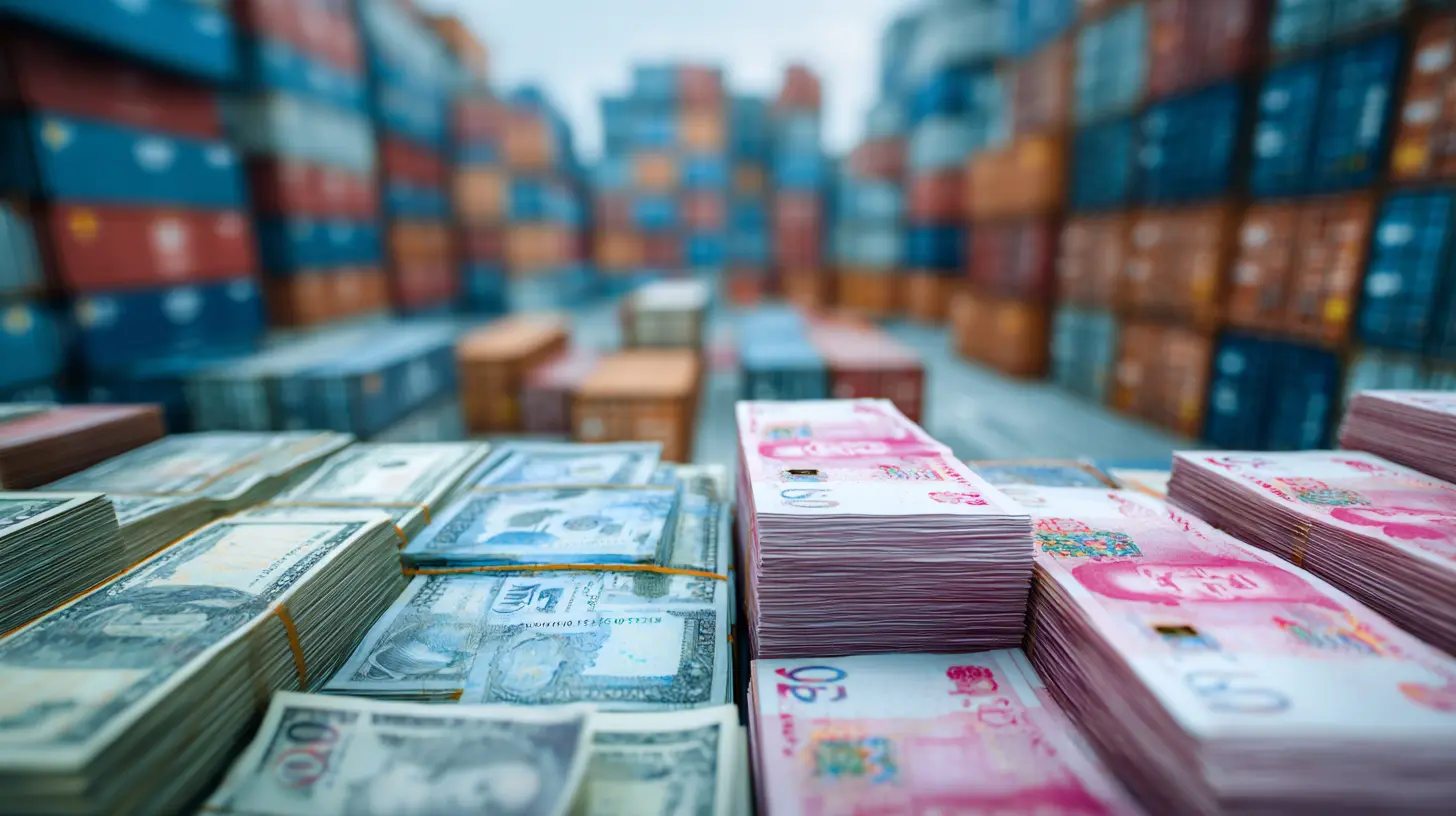
What Is Cross-Border Financial Regulation?
Alright, let’s break it down. Cross-border financial regulation refers to the rules, standards, and frameworks that govern financial interactions between different countries. These rules could come from governments, international organizations, or treaties, and they aim to oversee activities like:- Lending and borrowing across borders
- Investment in foreign equities or bonds
- Movement of capital
- Operation of multinational banks and financial institutions
Think of it as traffic rules in a world where every driver speaks a different language and drives a different car. Without them, the global financial highway would be total chaos.
Why Does It Even Matter?
Great question. Imagine if you tried to send money overseas and half of it disappeared because one country didn’t follow the same financial regulations as the other. Or worse, a global bank goes bankrupt, and we find out that there was zero coordination among regulators across its operating countries.Cross-border financial regulations ensure:
- Stability in global markets
- Protection for investors and consumers
- Prevention of financial crimes like money laundering and fraud
- Financial institutions play fair, no matter the country
Without these rules, international trade would be like trying to run a relay race where each runner is on a different track.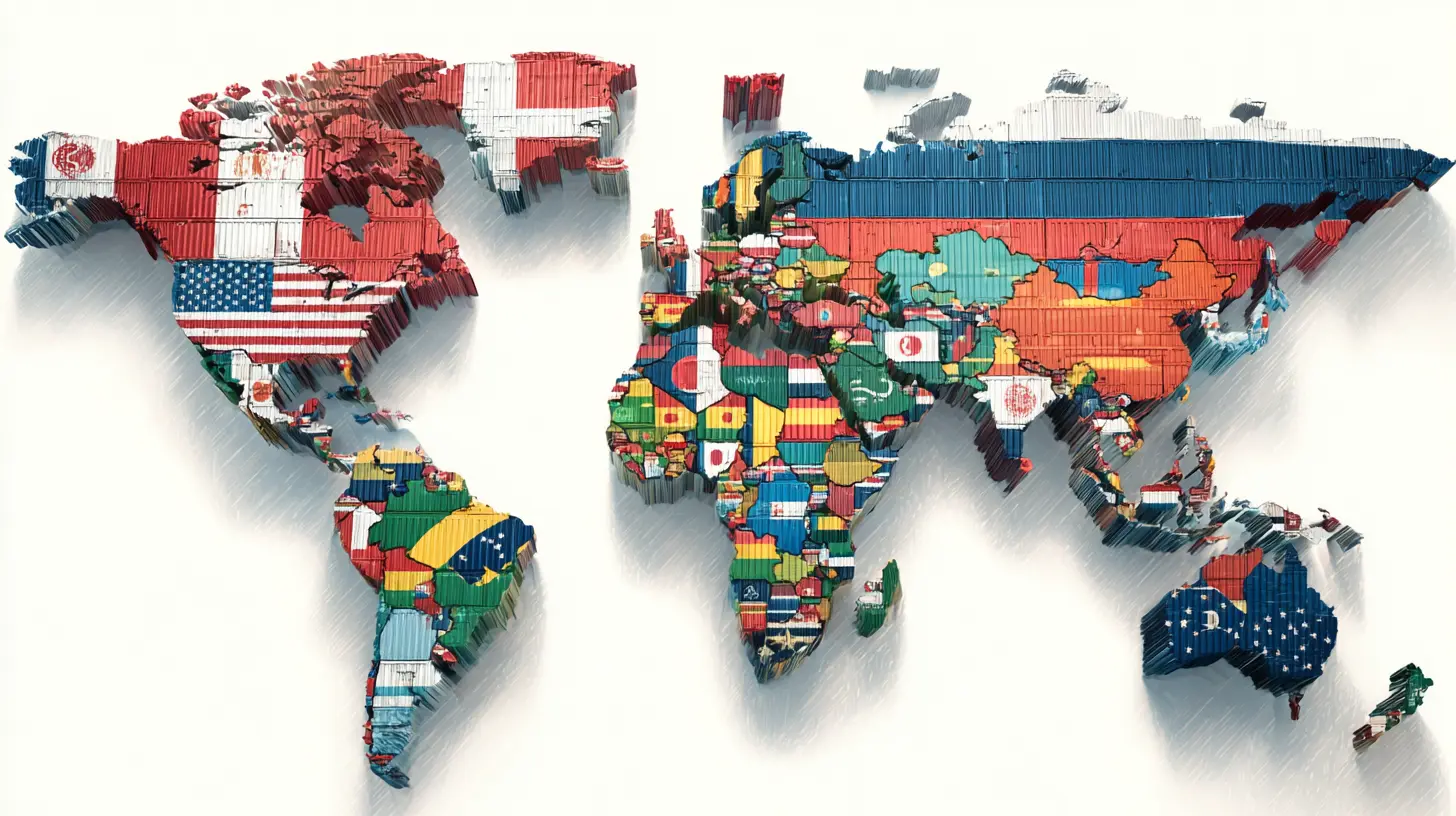
Who Makes These Global Financial Rules?
You might be thinking, “Is there a global police force for finance?” Not exactly, but there are powerful players in the game. Let’s name-drop a few:1. The International Monetary Fund (IMF)
The IMF monitors the global economy and offers guidance, especially to countries dealing with financial instability. Think of them as the global economic therapist.2. The Financial Stability Board (FSB)
This group sets international standards in finance and monitors market trends to prevent disasters like the 2008 financial crisis from happening again.3. The Basel Committee on Banking Supervision
Ever heard of "Basel III"? That’s one of their creations. These guys set the rules banks follow, especially when it comes to keeping enough capital on hand to survive tough times.4. The World Trade Organization (WTO)
Yes, they’re more known for trade, but they also shape global financial services through rules on market access and fairness.No single body controls everything, but together, these organizations try to keep things from spiraling out of control.
How Do National and International Regulations Clash?
Now here’s where things get complicated. Every country wants to protect its own economy — it’s only natural. But when a financial institution operates in multiple jurisdictions, it has to comply with each country's local regulations — even if they conflict.A Common Tug-of-War:
- Country A says, “You must hold 12% capital reserves.”- Country B says, “Nope, 10% is fine.”
- The bank? Stuck in the middle, trying not to tick off either side.
This regulatory mismatch can cause financial institutions to:
- Pull out of certain markets
- Split operations across jurisdictions
- Raise costs, which ironically get passed down to consumers (yes, us!)
It’s like trying to cook two meals at once, one using Celsius and the other in Fahrenheit — without burning down the kitchen.
Implications for International Trade
Here’s the meat and potatoes of it: How does all this regulation impact the global flow of goods and services?1. Access to Financing
To do international trade, businesses need credit, loans, insurance, and other financial services. If cross-border regulations are too strict or inconsistent, it becomes harder (and more expensive) to get these services.Example: A small exporter in Brazil might struggle to get financing from a U.S. bank if regulations make it unprofitable for the bank to lend internationally.
2. Foreign Direct Investment (FDI) Hurdles
Companies often invest in foreign countries to set up factories or offices. But if regulations in the host country are drastically different (or unpredictable), they may reconsider.This can create a chilling effect on globalization — countries lose out on jobs, and economies stay stuck in low-growth cycles.
3. Transaction Delays & Costs
When banks and financial systems don’t “talk” well due to mismatched regulations, payments get delayed or even blocked. That’s bad news if you’re depending on fast transactions to keep your supply chain running smoothly.Imagine ordering 10,000 pairs of sneakers from Vietnam only to have them sit at port because payment processing got jammed up.
4. Risk Aversion
When financial service providers face uncertainty due to complex regulations, they may simply avoid risk altogether. That means fewer services for high-risk (but high-reward) markets — especially in developing countries.So, the very countries that need external capital the most might find themselves left out in the cold.
The 2008 Financial Crisis: A Global Wake-Up Call
Remember 2008? That global financial headache didn’t respect borders. What started with bad mortgage debts in the U.S. spread like wildfire across Europe and Asia.Why? Because banks were deeply interconnected but regulators were playing solo instead of in a band.
In response, we got:
- Tighter global regulations (hello, Basel III)
- Increased transparency requirements
- More collaboration among central banks
It was a massive push for cross-border regulatory alignment. But hey, it's a work in progress.
Technology’s Role in All This
Fintech is shaking things up. Digital payment platforms, cryptocurrency, blockchain — they all operate across borders whether regulators are ready or not.This raises new regulatory headaches:
- Who governs a Bitcoin transfer from Canada to India?
- What happens if a crypto exchange in Bahamas collapses?
- Are digital wallets subject to the same rules as banks?
Regulators are scrambling to catch up. But make no mistake — technology isn’t waiting around.
Toward Global Harmony: Is It Possible?
Let’s face it — a single, uniform global financial regulation system would be the dream. But political, economic, and cultural differences make that incredibly challenging.Still, we’re seeing some progress:
- Regional partnerships like the EU’s MiFID II for financial markets
- Bilateral agreements between countries to share banking data
- Standard-setting bodies working towards common frameworks (think IFRS for accounting)
So, while we may never have one global financial rulebook, we can still try to harmonize the tunes.
What Businesses Can Do
If you’re a business owner, investor, or stakeholder involved in international trade, here’s what you can do:- Stay informed on evolving regulations in key markets
- Work with local legal and financial advisors to stay compliant
- Advocate for transparency – complexity is often the enemy
- Embrace technology that helps navigate cross-border financial hurdles
It’s not easy — but those who navigate the regulatory maze well have a big competitive edge.
Looking Ahead: What’s Next?
Cross-border financial regulation will only grow more complex as economies become more intertwined and technology continues to change the game. We’re at a point where cooperation isn't just a nice idea — it’s a necessity.Countries need to chat more, regulators need to share notes, and businesses need to stay sharp.
Because in the end, international trade isn’t just about moving goods. It’s about moving trust. And trust rides on the back of financial transparency, accountability, and good ol’ fashioned rules that make global trade safer for everyone involved.
Final Thoughts
Cross-border financial regulation might sound like textbook jargon, but it’s the unsung hero (and sometimes villain) in international trade. Whether it’s creating smoother paths for businesses or throwing up bureaucratic roadblocks, its impact is real — and far-reaching.So next time your favorite online store ships your latest gadget from halfway around the world? Thank cross-border finance for making that happen — or blame it for the delay.
all images in this post were generated using AI tools
Category:
Financial RegulationAuthor:

Yasmin McGee
Discussion
rate this article
1 comments
Zephyrion McGuffin
Cross-border financial regulation is crucial for ensuring fair trade practices. It can enhance transparency and reduce risks, but if not handled well, it may create barriers for businesses. Striking the right balance is key to fostering international trade while maintaining necessary oversight.
July 8, 2026 at 11:41 AM
Yasmin McGee
I appreciate your insights. Balancing regulation and trade is indeed essential to promote fairness without stifling business growth. It's a complex but necessary challenge.