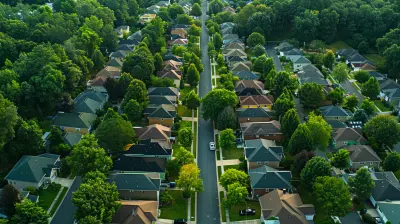
Frugality and Eco-Friendly Living: Saving Money While Saving the Planet
6 March 2026
In a world where everything seems to carry a price tag—both financially and environmentally—it’s easy to feel like we’re stuck between saving money and doing what’s best for the planet. But what if I told you that you don’t have to choose? The truth is, frugality and eco-friendly living go hand in hand. By making small, mindful changes in our daily lives, we can protect both our wallets and the earth at the same time.
So, if you're looking for ways to cut costs while reducing your environmental footprint, you’re in the right place. Let's dive into practical, money-saving strategies that also make Mother Nature smile! 
1. The Connection Between Frugality and Sustainability
Living frugally and being eco-friendly often overlap because both focus on reducing waste, reusing resources, and making the most out of what we have.Think about it:
- When you conserve energy, you lower your utility bill.
- When you buy second-hand, you cut costs and reduce waste.
- Cooking at home instead of ordering takeout saves money and reduces packaging waste.
It’s all about being intentional with how we use resources, whether it's money, energy, or materials. 
2. Smart Ways to Save Money and the Planet
Now, let’s get to the actionable part—specific ways you can live frugally while making eco-friendly choices.A. Reduce Food Waste and Save on Groceries
Food waste is a double whammy—it wastes money and contributes to environmental issues like methane emissions from landfills. Here’s how to reduce it:- Plan meals ahead: Make a weekly meal plan and buy only what you need.
- Store food properly: Keep produce fresh longer with proper storage techniques.
- Use leftovers creatively: Turn last night’s dinner into today’s lunch!
- Compost food scraps: Even if you reduce waste, some scraps are inevitable—composting gives them a second life as plant food.
A well-planned kitchen means a well-planned budget and a happier planet.
B. Buy Second-Hand and Upcycle
Who said you always need to buy new? Shopping second-hand is not just for thrift store enthusiasts; it’s a powerful way to save money and reduce demand for new products.- Thrift stores: Great for clothing, furniture, and home essentials.
- Online marketplaces: Facebook Marketplace, Craigslist, or eBay offer fantastic deals.
- DIY upcycling: Breathe new life into old items instead of tossing them.
A little creativity can turn “old” into “good as new” while keeping extra cash in your pocket.
C. Reduce Energy Usage (and Your Bill!)
Energy bills can drain your finances, and excessive consumption harms the environment. Here are some practical energy-saving tips:- Switch to LED bulbs: They last longer and use less electricity.
- Unplug appliances: Devices on standby mode still use power.
- Use natural light: Open your curtains during the day instead of turning on lights.
- Invest in energy-efficient appliances: They may cost a bit upfront, but they save you money in the long run.
Small changes add up to significant savings—both for you and the planet. 
3. The Power of Minimalism: Owning Less, Spending Less
Minimalism isn’t just a trend; it’s a lifestyle shift that can save you thousands. When you buy less, you naturally generate less waste, and that’s a win-win.Ask yourself:
- Do I really need this, or is it just an impulse buy?
- Will this item add value to my life, or will it end up in a pile of clutter?
By being mindful about what you bring into your home, you avoid unnecessary spending and reduce consumption, which is one of the most sustainable actions you can take. 
4. Frugal and Eco-Friendly Transportation Choices
Gas, car maintenance, and insurance costs add up fast. Meanwhile, cars contribute to pollution. Consider these alternative transportation methods:- Walk or bike: Healthier for you and the environment.
- Public transportation: Saves money on fuel and reduces traffic congestion.
- Carpooling: Share rides with coworkers or friends to cut costs.
- Eco-friendly vehicles: If buying a car, consider hybrid or electric models to save on fuel over time.
Making small adjustments in how we get around can have a surprising impact on both our wallets and air quality.
5. DIY and Homemade Products: Cheap and Green
Many household and personal care products are expensive and contain harmful chemicals. Making your own can save cash and reduce waste.- Homemade cleaning products: Vinegar, baking soda, and lemon can clean almost anything!
- DIY beauty products: Skip store-bought lotions and try coconut oil or homemade scrubs.
- Reusable products: Replace paper towels with cloth rags, and use glass containers instead of plastic.
You don’t need fancy (and expensive) products when simple, natural alternatives work just as well—or even better!
6. Growing Your Own Food: Sustainable and Frugal
Gardening isn’t just for people with huge yards—you can grow food in small spaces using pots, balconies, or even windowsills.Benefits of growing your own food:
- Saves money on groceries
- Reduces packaging waste
- Gives you fresher, pesticide-free produce
Starting small with herbs or tomatoes can still make a difference in your budget and diet.
7. Mindful Consumption: Buying Less, Choosing Better
Instead of chasing every sale or deal, try the “quality over quantity” approach. Buying durable, high-quality items that last longer saves money in the long run and reduces waste.For example:
- A well-made pair of shoes might cost more upfront but last years.
- A reusable water bottle means fewer plastic bottles in landfills.
- Investing in timeless clothing instead of fast fashion reduces unnecessary spending.
It’s not about never buying anything—it’s about making wise, intentional purchases that serve you well over time.
8. Sustainable Banking and Investing
Being frugal and eco-friendly isn’t just about what you buy—it’s also about where you put your money. Consider sustainable banking options and ethical investments.- Use green banks: Some banks prioritize environmental sustainability and don’t fund harmful industries.
- Invest in sustainable companies: Look for funds that support renewable energy, ethical labor practices, and eco-friendly businesses.
Your financial choices can shape the world you want to live in.
Wrapping It Up
Frugality and eco-friendly living aren’t about deprivation—they’re about making smart, intentional choices that benefit both your bank account and the planet.When you reduce waste, buy second-hand, use energy wisely, and grow your own food, you’re not just saving money—you’re contributing to a more sustainable future.
So, next time you’re deciding whether to save money or help the environment, remember: you don’t have to choose. With smart habits, you can do both at the same time!
all images in this post were generated using AI tools
Category:
Frugal LivingAuthor:

Yasmin McGee
Discussion
rate this article
2 comments
Fenn Sheppard
This article beautifully highlights the synergy between frugality and eco-friendly living! It's inspiring to see how mindful choices can save money and benefit the planet. Thank you for sharing these practical tips for a sustainable and budget-friendly lifestyle!
April 6, 2026 at 12:16 PM
Yasmin McGee
I'm glad you found it inspiring! Mindful choices really do make a difference for both our wallets and the planet. Thanks for your thoughtful comment!
Faelan James
Great insights! Embracing frugality not only boosts savings but also promotes sustainable living for a healthier planet.
March 16, 2026 at 5:23 AM
Yasmin McGee
Thank you! I'm glad you found the insights valuable. Embracing frugality truly benefits both our wallets and the Earth.