How Businesses Are Using Digital Wallets to Simplify Payments
27 August 2026
Walk into any coffee shop in a mid-sized city, and you will see the same scene: customers tapping their phones against a terminal, holding a smartwatch over a reader, or scanning a QR code from a mobile app. The cash register still exists, but it has become a backup rather than the main event. This shift is not a fad. It is a structural change in how money moves between buyers and sellers.
For business owners, the question is no longer whether to accept digital wallets. It is how to use them well. The difference between simply enabling a payment method and actually simplifying your payment operations is significant. This article walks through the real-world strategies, trade-offs, and pitfalls that separate the two.
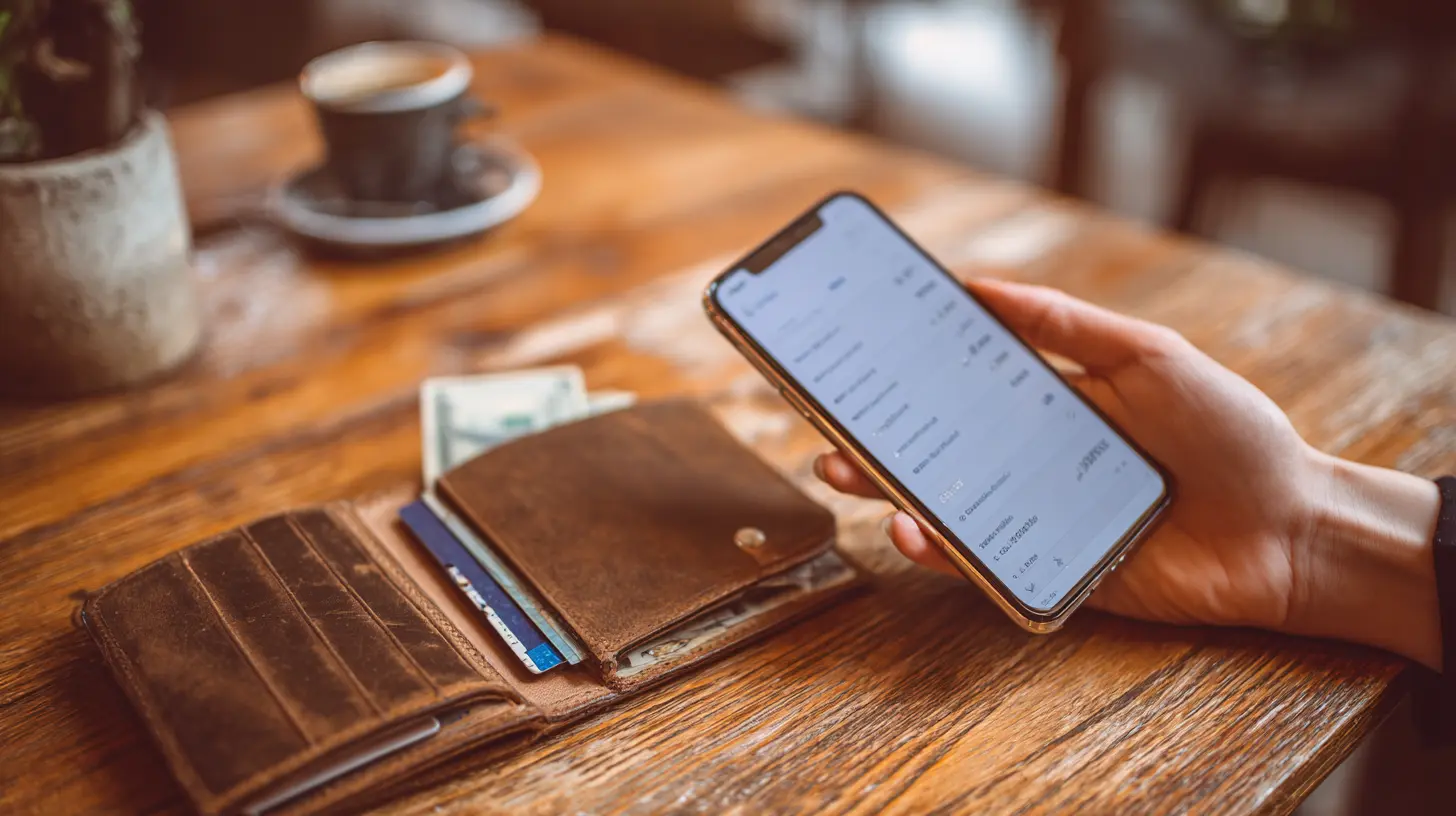
The Core Shift: From Card-Centric to Account-Centric Payments
To understand why digital wallets matter, you have to stop thinking of them as just another way to swipe a card. A digital wallet is not a card in your phone. It is an entirely different payment infrastructure that happens to look similar from the outside.When a customer pays with a physical credit card, the merchant's terminal reads the card number and sends it through the card networks. The bank approves or declines. The money moves. That process has worked for decades, but it carries costs: interchange fees, fraud liability, chargeback risks, and the need for specialized hardware.
Digital wallets change the underlying logic. Services like PayPal, Venmo, Cash App, Alipay, and WeChat Pay operate on account-based systems. Money lives inside the wallet as a balance or is linked to a funding source, but the merchant does not need to see the card details at all. The wallet provider handles the settlement, often with lower fees and faster timelines.
This distinction matters for businesses because it changes the risk profile and the cost structure. When a customer pays through Apple Pay, the merchant actually receives a tokenized card transaction, not a wallet transaction. But when a customer pays through Venmo Business or a direct wallet transfer, the merchant receives money from the wallet provider, not from a card network. That is a different beast entirely.
The practical takeaway: know which type of wallet payment you are accepting, because the rules, fees, and dispute processes are not the same.
How Small Retailers Are Cutting Costs and Friction
Small businesses feel the pain of payment friction most acutely. A long checkout line, a declined card, or a clunky terminal can cost a sale in seconds. Digital wallets solve several of these problems at once.Consider a food truck operator. They need to move fast, keep hands free, and avoid handling cash. A simple QR code from a wallet provider like PayPal or Venmo allows customers to scan and pay from their own phones. No terminal, no card reader, no receipt printer. The money lands in the business account almost instantly. The cost is often lower than card interchange fees, especially for small-ticket items.
The hidden benefit is data. Wallet payments generate digital records automatically. The operator can see exactly what sold, at what time, and for how much. That data feeds directly into inventory planning and staffing decisions. A food truck that knows its Tuesday lunch rush peaks between 12:15 and 12:45 can prepare accordingly. Cash cannot give you that. Even most card terminals only give you a summary at the end of the day.
Another example is the independent service provider: a plumber, a dog groomer, or a freelance graphic designer. These professionals used to wait for checks or chase invoices. With a digital wallet, they can send a payment request via text message and receive funds in minutes. The client does not need to download anything new if they already use the same wallet app. This removes the biggest barrier to getting paid: the effort required to pay.
The trade-off here is the need for the customer to have the same wallet app or be willing to use a wallet-based link. If you serve an older demographic that prefers checks, pushing wallet payments too hard will backfire. The solution is to offer wallet payments as the fastest option, not the only option.
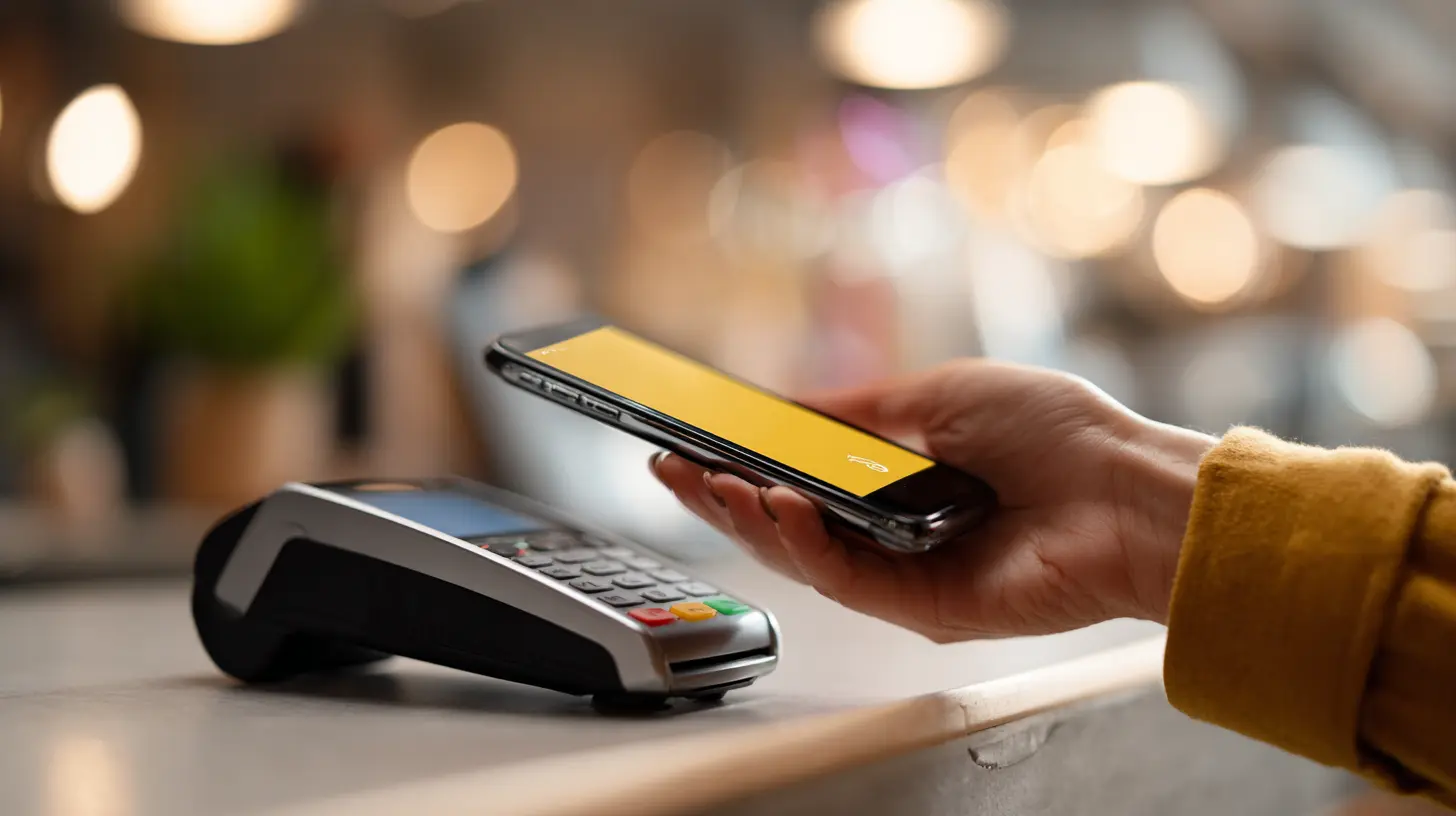
The Subscription and Recurring Billing Advantage
Recurring revenue is the lifeblood of many businesses, from gyms to software companies to streaming services. Traditional card-based subscriptions suffer from a persistent problem: expired cards and failed renewals. Every month, a percentage of customers get their charges declined because their card expired or the bank flagged the transaction as suspicious.Digital wallets solve this through what are called "credential-on-file" systems. When a customer authorizes a wallet payment once, the wallet provider stores a token that can be used for future charges. The merchant does not store the card number. The wallet provider handles the renewal automatically, so even if the customer gets a new card, the token keeps working.
This is a massive simplification for businesses that rely on recurring billing. Instead of sending "your card was declined" emails and chasing payments, you simply collect the money. The reduction in churn from failed payments alone can increase revenue by several percentage points, which is often the difference between a profitable subscription business and a marginal one.
However, there is a catch. Wallet-based recurring billing often comes with stricter consumer protection rules. The customer can cancel the authorization with a few taps in their wallet app. That means you need to invest in good retention practices, not just payment convenience. If your product is easy to cancel, you must make it worth staying for. The payment method does not replace the value proposition; it simply removes a barrier.
Invoicing and B2B Payments Get a Modern Overhaul
Business-to-business payments have always been the slowest part of the financial system. Invoices net-30 or net-60, checks in the mail, and manual reconciliation create a lag that hurts cash flow. Digital wallets are changing this, but not in the way most people expect.The biggest change is in speed. Services like Bill.com, Melio, and even PayPal Business allow a business to pay an invoice directly from a digital wallet or a wallet-linked account. The supplier receives the funds in days, sometimes hours, instead of weeks. For the supplier, this means they can offer early-payment discounts without worrying about the administrative burden of tracking checks.
The simplification happens on the reconciliation side. When a payment comes through a digital wallet, it carries metadata: the invoice number, the payer's business name, and a memo. That information flows directly into accounting software. No more matching a check stub to an invoice. No more "please confirm this payment is for invoice 2034" emails.
The trade-off is that B2B wallet payments often carry higher fees than ACH transfers. A business might pay 1.5 percent to 3 percent for the convenience of speed, whereas an ACH transfer costs pennies. The decision comes down to cash flow needs. If you are a supplier who struggles with slow payments, the fee might be worth it. If you are the payer, you need to weigh the cost against the benefit of early-payment discounts or improved supplier relationships.
There is also a psychological component. When you pay an invoice instantly, you signal reliability. Suppliers remember that. Over time, that trust translates into better terms, priority service, and access to inventory during shortages. That is an intangible benefit that does not show up on a spreadsheet but affects your bottom line.
The Point-of-Sale Experience: Tap, Scan, or Skip the Line
The most visible use of digital wallets is at the point of sale. But there are three distinct modes, and each has its own best use case.The first is the tap-to-pay model, which uses NFC (near-field communication). Apple Pay, Google Pay, and Samsung Pay fall into this category. The customer holds their phone near the terminal, authenticates with Face ID or a fingerprint, and the payment completes. This is essentially a card payment with extra security, because the merchant never sees the actual card number. The fee structure is identical to a regular card transaction.
The second is the QR code model, popularized by Alipay and WeChat Pay in China and now common with PayPal and Venmo in the West. The customer scans a code displayed at the register or on a receipt. This works well for low-value transactions where speed matters more than security. It also works for businesses that do not have a traditional terminal, like street vendors or market stalls.
The third is the app-based model, where the customer pays inside a merchant's own app. Starbucks is the canonical example. You load money into the Starbucks app, and paying is just a matter of showing a barcode. The benefit is that the business captures the customer relationship directly, not through a payment intermediary. The data is richer, and the business can push offers and loyalty rewards without relying on a third party.
The mistake many businesses make is treating these three modes as interchangeable. They are not. Tap-to-pay is best for speed and security in a physical store. QR codes are best for low-cost, low-friction payments in informal settings. App-based payments are best for building a direct customer relationship. Choosing the wrong mode for your context creates unnecessary friction.
For example, a high-end restaurant that uses QR codes for payment might actually reduce the perceived quality of service. The customer expects a human interaction at the end of the meal, not a scan-and-pay process. Conversely, a fast-casual eatery that insists on tap-to-pay but has slow terminals will frustrate customers who just want to grab their food and go.
Security and Fraud: What Businesses Get Wrong
There is a widespread belief that digital wallets are less secure than cards because they live on a phone. That belief is backwards. Digital wallets are generally more secure than physical cards, because they use tokenization.When a customer pays with Apple Pay, the merchant receives a one-time token, not the actual card number. Even if a hacker intercepts that token, it is useless for any other transaction. The same is not true for a physical card number, which can be used repeatedly until the card is canceled.
The real security risk with digital wallets is not the payment itself. It is the account takeover. If a fraudster gains access to a customer's wallet account, they can drain the balance or make unauthorized payments. This is why wallet providers invest heavily in biometric authentication and multi-factor verification. As a business, you should encourage customers to enable these features, but you should also understand that you are not liable for most wallet fraud. The wallet provider typically absorbs the loss.
The bigger business risk is chargebacks. When a customer disputes a wallet payment, the process is different from a card dispute. Some wallet providers do not allow chargebacks at all for certain transaction types. Others have a more lenient process that favors the buyer. You need to know the specific rules for each wallet you accept.
A common misconception is that accepting digital wallets reduces your fraud liability automatically. That is only true for tokenized card payments like Apple Pay. For peer-to-peer wallet transfers like Venmo or Cash App, the fraud liability often falls on the merchant if you cannot prove delivery of goods or services. This is why you should always keep delivery receipts, timestamps, and customer communication logs when accepting wallet payments.
The best practice is to layer security. Use a wallet that supports tokenization for in-person sales. Use a separate wallet for online sales that offers seller protection. And never accept a peer-to-peer wallet payment from an unknown buyer for a high-value item without verifying the buyer's identity and getting explicit confirmation of the transaction details.
Common Mistakes and How to Avoid Them
The most common mistake businesses make with digital wallets is treating them as an afterthought. They add a PayPal button to their website, put a QR code on the counter, and call it a day. That approach leaves money on the table and creates operational headaches.One mistake is not reconciling wallet payments with accounting software. If you accept payments across multiple wallets, you end up with money scattered across different platforms, each with its own fee structure and settlement schedule. Without automated reconciliation, you will waste hours every month matching transactions. Use an accounting tool that integrates directly with your wallet providers, or at least export and reconcile daily.
Another mistake is ignoring the fee differences. A wallet payment might look cheaper than a card payment, but the fees vary by transaction size, by funding source (bank account vs. credit card), and by the wallet provider's pricing tier. What is cheap for a $5 coffee might be expensive for a $5,000 invoice. Always calculate the effective fee rate for your average transaction value.
A third mistake is not updating your return and refund policies. When a customer pays with a digital wallet, the refund process can take longer than a card refund, especially if the wallet provider holds funds. Set clear expectations with customers about how long refunds take. Also, be aware that some wallet providers allow the customer to reverse a payment even after you have issued a refund, leading to a double refund if you are not careful.
The most dangerous mistake is relying on a single wallet provider for all your payments. If that provider experiences an outage or freezes your account for a compliance review, your entire revenue stream stops. Diversify across at least two wallet providers and always maintain a fallback payment method, whether that is cash, cards, or ACH transfers.
Choosing the Right Digital Wallet for Your Business
There is no single best digital wallet. The right choice depends on your business model, your customer base, and your geographic location.If you run a physical retail store in the United States, Apple Pay and Google Pay are essentially mandatory. They are built into every modern smartphone, and customers expect to use them. You do not need to do anything special beyond having a contactless-enabled terminal. This is the baseline.
If you run an online store, PayPal is still the most widely recognized wallet, especially for older customers. But you should also accept Venmo if your audience skews younger, and you should consider Amazon Pay if you sell through Amazon or have a significant repeat customer base. The key is to offer the wallet your customers already use, not to force them to adopt a new one.
If you run a service business that bills by invoice, consider using a wallet that supports invoice generation and payment links, like PayPal or Stripe. These tools allow you to send a single link via email or text, and the customer pays without creating an account. This reduces friction dramatically.
If you operate in international markets, the landscape is different. Alipay and WeChat Pay dominate in China. Paytm and PhonePe are huge in India. Pix has transformed Brazil. If you sell internationally, you need to accept the local wallet, not just the global ones. This often requires working with a payment gateway that aggregates multiple wallets, like Adyen or Checkout.com.
One more consideration: the wallet's settlement speed. Some wallets settle daily, others weekly, and some hold a rolling reserve. If your business depends on steady cash flow, choose a wallet with faster settlement even if the fees are slightly higher. A week of waiting for funds can hurt you more than a 0.5 percent fee difference.
The Future: What Comes After the Wallet
Digital wallets are not the end of the payment evolution. They are a bridge to something more seamless. The next phase is account-to-account payments, where money moves directly between bank accounts using open banking APIs. This is already happening in Europe and is slowly arriving in the United States.For businesses, the implication is that wallet providers will need to adapt or become irrelevant. The merchants who thrive will be the ones who build flexible payment infrastructures that can accept any method, whether it is a wallet, a bank transfer, or a future technology that has not been invented yet.
The practical advice is to avoid locking yourself into proprietary wallet systems that do not integrate with others. Choose payment processors that offer a unified API across multiple wallets and payment types. This gives you the flexibility to add new methods without rewriting your entire checkout flow.
The other trend is the rise of stablecoins and central bank digital currencies. These are not ready for mainstream business use in most countries, but they are worth monitoring. If they gain traction, they will reduce the need for intermediary wallets entirely, because the payment will settle instantly and directly between parties.
For now, the best approach is to stay pragmatic. Accept the wallets your customers use. Reconcile your transactions daily. Understand your fee structures. And always keep an eye on what your payment processor is doing, because the landscape changes faster than most businesses realize.
Best Practices for Implementation
If you are ready to simplify your payments with digital wallets, start with a pilot. Choose one store location or one product line and roll out wallet payments there. Measure the average transaction time, the fee impact, and the customer feedback. Compare that against your current payment methods.Make sure your staff is trained on how to handle wallet payments, including troubleshooting common issues like a phone with a dead battery or a customer who has never used a wallet before. The last thing you want is a customer ready to pay and an employee who cannot process the transaction.
Update your receipts and invoices to include wallet payment options. Even if your customers do not use them now, seeing the option builds familiarity. Over time, more customers will switch.
Set up automatic reconciliation between your wallet accounts and your accounting software. This will save you hours every month and reduce the risk of errors. If your wallet provider does not offer direct integration, use a third-party tool like Zapier or a custom script to pull transaction data daily.
Finally, review your fee structure quarterly. Wallet providers change their pricing regularly. What was a good deal six months ago might now be more expensive than a card payment. If you notice your effective fees creeping up, renegotiate with your provider or switch to a different one.
Digital wallets are not a magic bullet. They will not fix a bad product or a poor customer experience. But when used correctly, they remove the friction between the moment a customer decides to buy and the moment you receive the money. That friction is often the difference between a sale and a lost customer. Reducing it is always worth the effort.
all images in this post were generated using AI tools
Category:
Digital WalletsAuthor:

Yasmin McGee
Discussion
rate this article
2 comments
Indigo Allen
Digital wallets are truly transforming the way businesses handle payments! It's exciting to see how this technology simplifies transactions, making things easier for both companies and customers. The convenience and speed they offer are game changers in the financial world. Can't wait to see where this goes next!
September 19, 2026 at 10:47 AM
Callista McTigue
Digital wallets are transforming the payment landscape for businesses. They offer speed, security, and convenience, making transactions seamless and enhancing customer experiences. It's time for every business to adopt this innovation.
August 30, 2026 at 3:40 AM