How Developing Countries Are Leapfrogging Banks with Mobile Wallets
2 October 2026
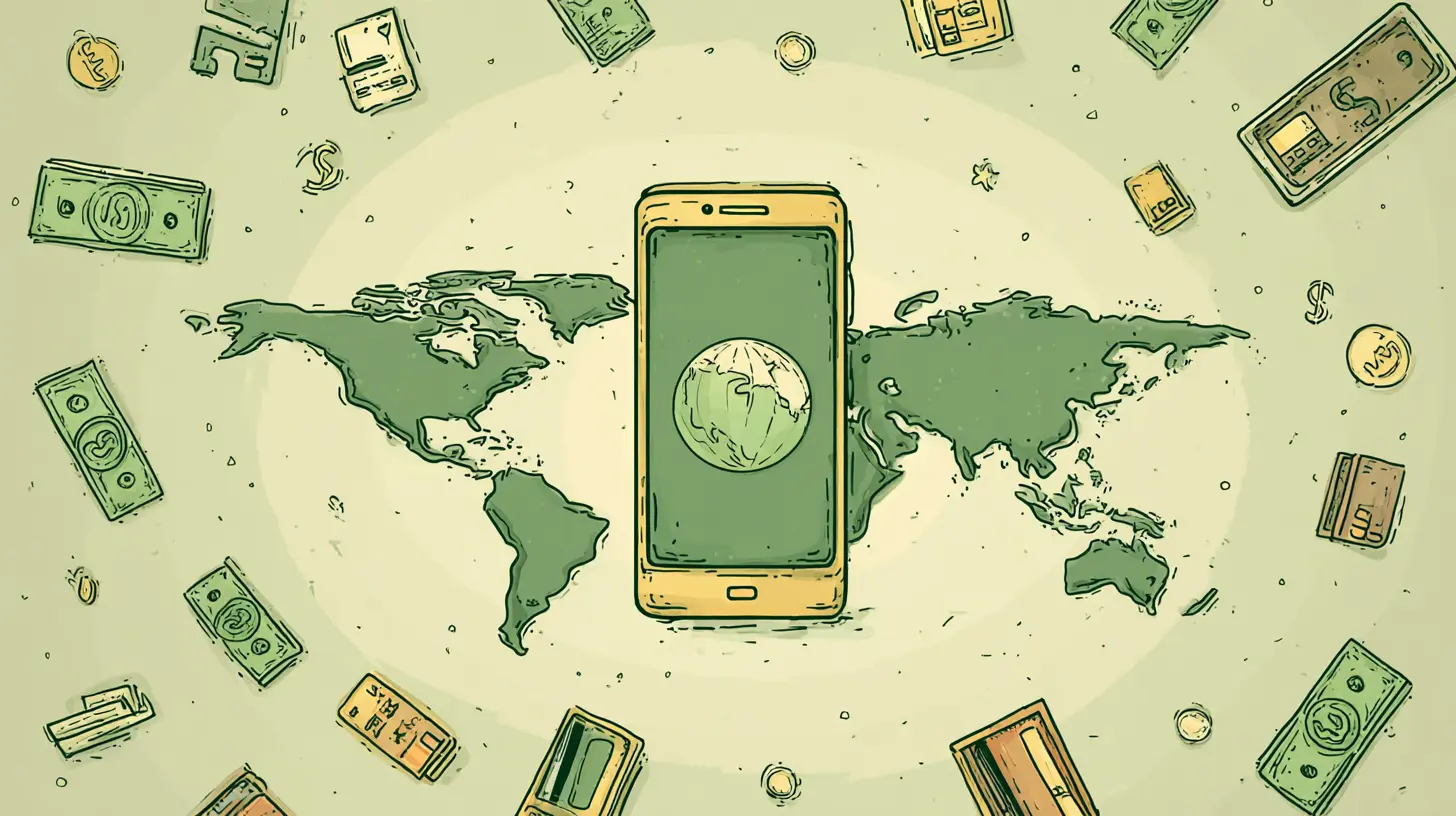
In the age of technology, it seems like everyone is trying to outpace the competition. Nowhere is this more evident than in the realm of finance, particularly in developing countries where mobile wallets are taking the lead. Picture this: while traditional banks are still trying to figure out how to digitize their services, mobile wallets are sprinting ahead, making financial services accessible to millions. Let's dive into this fascinating phenomenon, exploring how developing countries are leapfrogging banks and what that means for the future of finance.
Understanding the Landscape
The Traditional Banking Model
Before we jump into the exciting world of mobile wallets, let's take a moment to understand the traditional banking model. Conventional banks operate on a system that has been around for centuries. They require physical branches, a hefty amount of paperwork, and a customer base that often needs to travel long distances just to access basic services. This model has worked well in many parts of the world, but it comes with significant limitations, especially in developing countries.The Rise of Mobile Technology
Now, enter mobile technology. With the rapid proliferation of smartphones and mobile internet, people in developing countries are bypassing the traditional banking system altogether. Instead of waiting for banks to catch up, they are using their phones to manage their finances. This shift is not just a trend; it's a revolution.Mobile Wallets: A Game Changer
Mobile wallets have emerged as the superheroes of financial inclusion. They allow users to store money digitally, make payments, transfer funds, and even access loans-all from the palm of their hand. In countries like Kenya, for example, M-Pesa has transformed the way people conduct transactions. With over 40 million users, it's a prime example of how mobile wallets can leapfrog traditional banking services.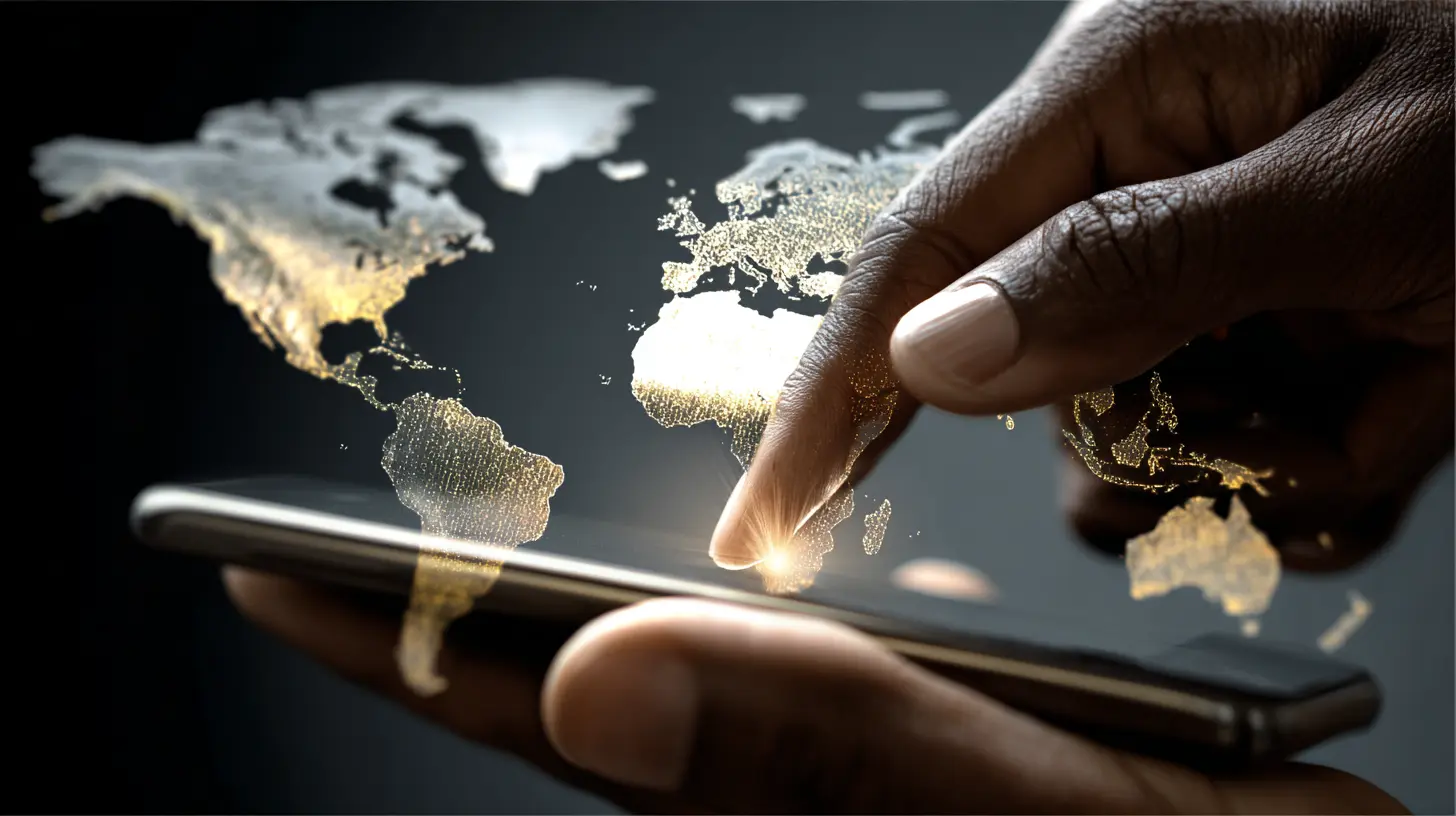
The Benefits of Mobile Wallets
Accessibility
One of the most significant advantages of mobile wallets is accessibility. In many developing countries, traditional banks are few and far between. Mobile wallets, however, are available to anyone with a smartphone. This opens up financial services to populations that have been historically underserved.Cost-Effectiveness
Mobile wallets also tend to be more cost-effective than traditional banking. Transaction fees are often lower, and users do not have to deal with the overhead costs associated with maintaining a physical bank branch. This is particularly important in regions where every penny counts.Speed and Convenience
In a world where time is money, mobile wallets offer speed and convenience that traditional banks struggle to match. Users can send money instantly, pay bills, and even shop online without the hassle of long queues or complicated paperwork.Financial Literacy and Empowerment
Mobile wallets are not just about transactions; they also promote financial literacy. Many platforms offer educational resources to help users understand how to manage their finances better. This empowerment can lead to improved economic stability for individuals and communities.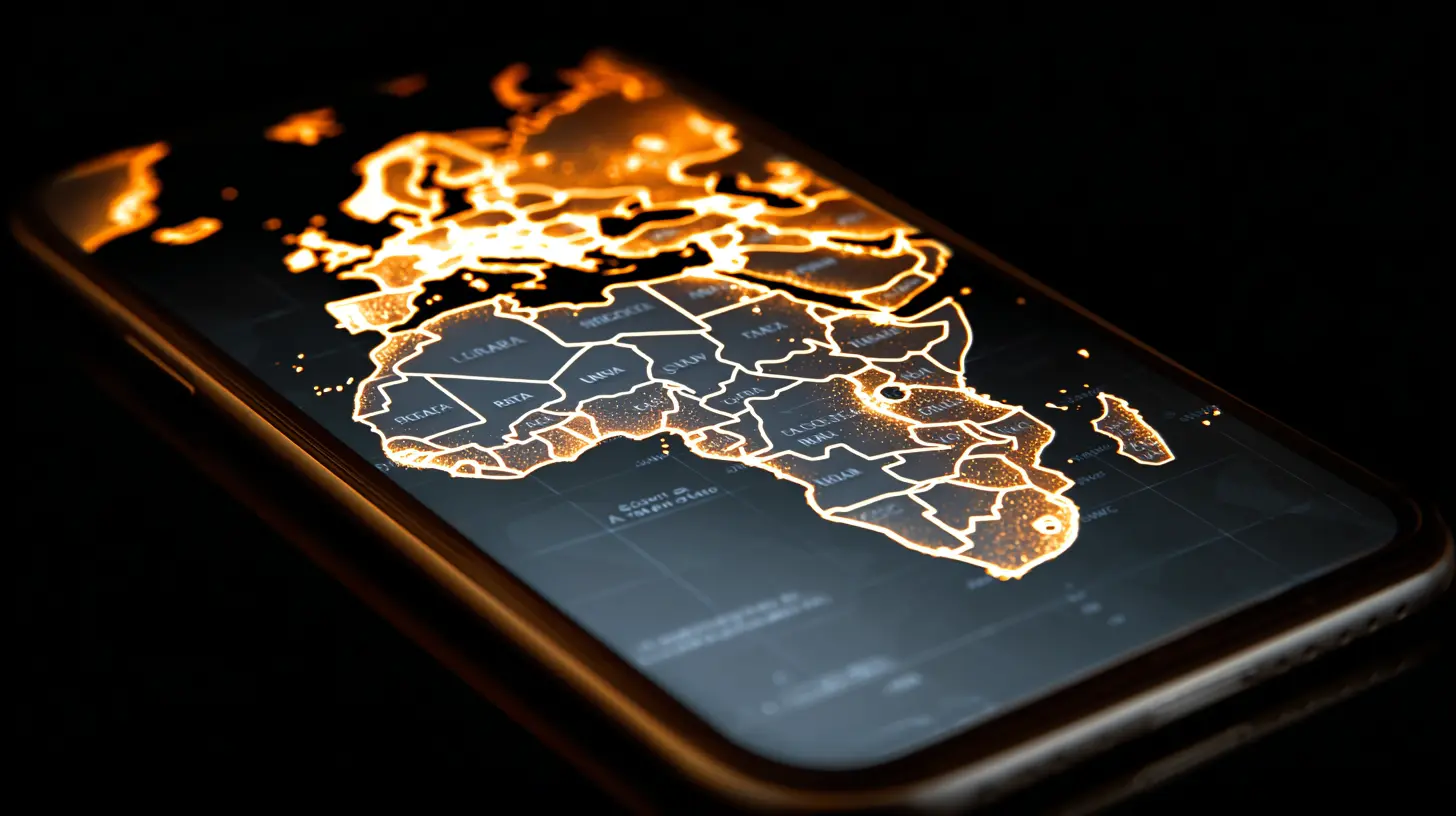
Real-World Examples
Kenya: M-Pesa
As mentioned earlier, M-Pesa is a trailblazer in the mobile wallet space. Launched in 2007, it has changed the financial landscape of Kenya. Users can send money, pay for goods and services, and even receive salaries through the platform. The success of M-Pesa has inspired countless other mobile wallet initiatives across Africa.India: Paytm
In India, Paytm has emerged as a significant player in the mobile wallet arena. Initially starting as a prepaid mobile recharge platform, it has expanded to include a wide range of financial services, including bill payments, ticket bookings, and even investing options. The company has capitalized on India's large unbanked population, making financial services accessible to millions.Nigeria: Paga
Paga is another example of a successful mobile wallet in a developing country. Founded in Nigeria, it allows users to send money, pay bills, and make purchases. Paga has focused on creating a user-friendly experience, which has contributed to its rapid growth.
Challenges and Considerations
Internet Connectivity
While mobile wallets are a leap forward, they still face challenges. One of the most significant hurdles is internet connectivity. In many rural areas, access to reliable internet can be sporadic, limiting the effectiveness of mobile wallets.Digital Literacy
Another challenge is digital literacy. Not everyone is comfortable using technology, and this can pose a barrier to adoption. Initiatives to educate users on how to navigate mobile wallets are crucial for maximizing their potential.Security Concerns
Security is a hot topic in the world of digital finance. Mobile wallets can be vulnerable to hacking and fraud. Users must be educated about best practices, such as creating strong passwords and being cautious about sharing personal information.Best Practices for Mobile Wallet Adoption
Educate Users
To maximize the benefits of mobile wallets, it is essential to educate users about how to use them safely and effectively. This can involve partnerships with local organizations or community leaders to facilitate workshops and training sessions.Focus on User Experience
A user-friendly interface can make all the difference in encouraging adoption. Mobile wallet providers should prioritize simplicity and ease of use to attract a broader audience.Collaborate with Local Businesses
Partnering with local businesses can drive adoption. When users see their favorite shops accepting mobile wallets, they are more likely to start using the service themselves.Ensure Robust Security Measures
Mobile wallet providers must invest in robust security measures to protect users' funds and personal information. Regular updates and transparent communication about security practices can build trust and confidence.
The Future of Mobile Wallets
As we look to the future, the potential for mobile wallets is immense. With advancements in technology, we can expect to see even more innovative features, such as integration with blockchain for enhanced security and transparency. as internet access continues to improve, more people will be able to take advantage of these services.A Shift in Banking Paradigms
Mobile wallets are not just a temporary solution; they represent a fundamental shift in how we think about banking. Traditional banks may need to adapt or risk being left behind. This could lead to more collaboration between banks and mobile wallet providers, creating a hybrid model that combines the best of both worlds.Expanding Financial Services
We can also expect mobile wallets to expand their offerings. Beyond payments, they may start to include more financial products, such as savings accounts, insurance, and investment opportunities. This could provide users with a one-stop-shop for all their financial needs.Conclusion
Mobile wallets are not just a trend; they are a revolution that is reshaping the financial landscape in developing countries. With their accessibility, cost-effectiveness, and convenience, they are leapfrogging traditional banks and paving the way for a more inclusive financial future. While challenges remain, the potential for growth and innovation is enormous. As mobile technology continues to evolve, so too will the opportunities for those willing to embrace change.In the end, the real winners in this race are the millions of individuals who now have access to financial services that were once out of reach. As we continue to witness this transformation, one thing is clear: the future of finance is mobile.
all images in this post were generated using AI tools
Category:
Digital WalletsAuthor:

Yasmin McGee