How to Optimize Your Tax Situation with a Side Hustle
19 December 2025
So, you’ve got a side hustle? Awesome move! Whether you’re driving for Uber, selling handmade jewelry on Etsy, freelancing your creative skills on Fiverr, or flipping furniture on weekends — that extra cash is sweet. But let’s talk about the not-so-sweet part... taxes. Yep, Uncle Sam wants a piece of your hustle too.
⁉️ But here’s the good news: Having a side hustle doesn’t just mean more income — it opens the door to lots of tax-saving opportunities too! With a little planning and some smart record-keeping, your side gig could actually reduce your overall tax bill. Sounds great, doesn’t it?
Let’s break it down, keep it real, and show you exactly how to optimize your tax situation with a side hustle. Ready? Let’s hustle smart. 💼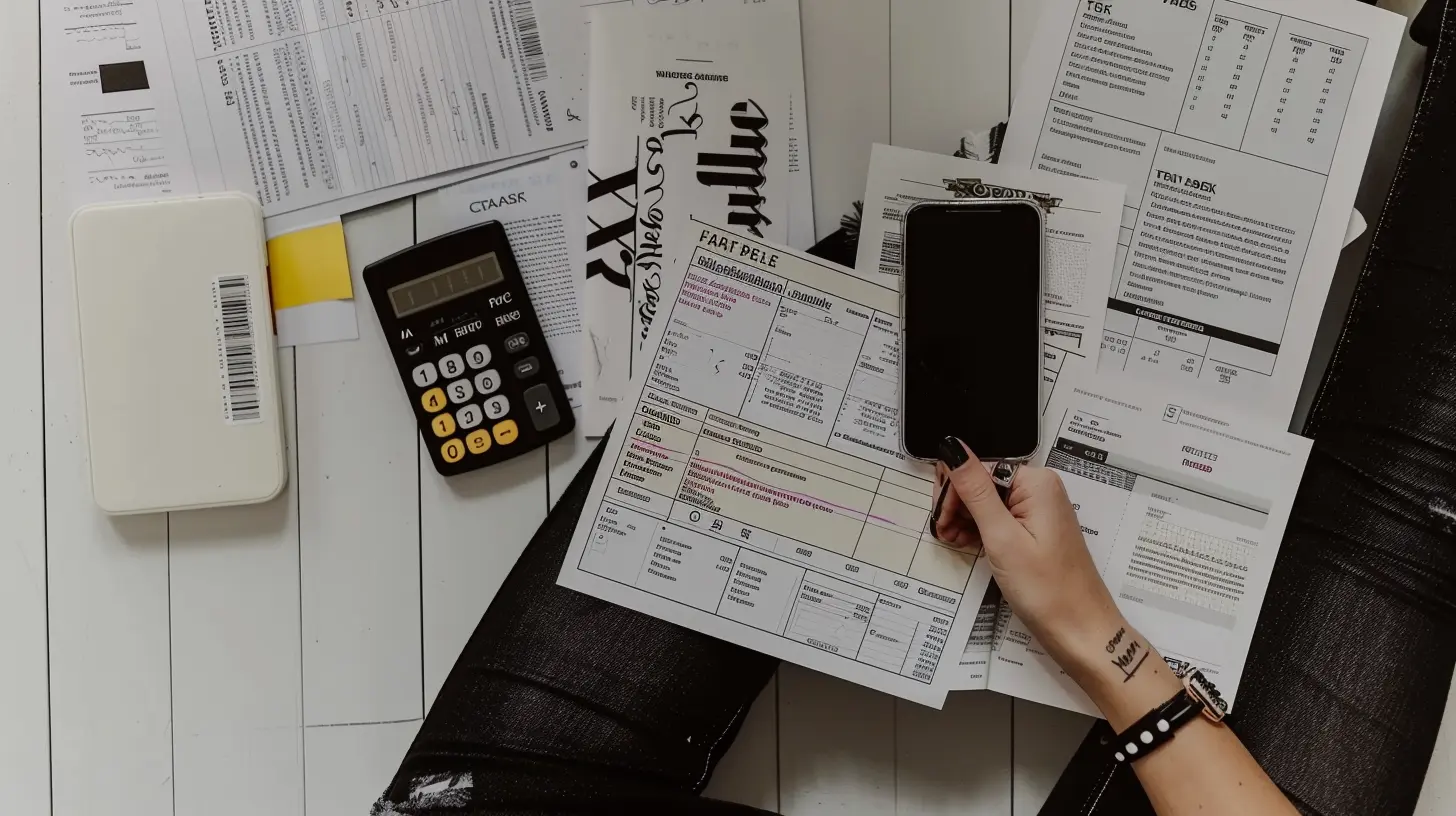
Why Taxes Work Differently for Side Hustlers
First things first — when you're working a regular 9-to-5, your employer handles a lot of the tax stuff for you. That W-2 makes life easy. But as a side hustler, you’re stepping into self-employment territory, even if it’s just a few bucks on the side.That means you’re responsible for:
- Reporting your income
- Paying self-employment taxes (yeah, that’s Social Security and Medicare)
- Covering estimated taxes (if applicable)
But don't panic! With great power (aka, income) comes great responsibility — and also great tax deductions. 🙌
1. Track Every Penny You Earn
Let’s start with the basics — you need to know how much you're earning from your side hustle. That means tracking all income — yes, even that cash payment from your friend-of-a-friend graphic design gig.If you make $400 or more in a year from your side hustle, you're required to report it. And if a client pays you over $600, they’ll likely send you a 1099-NEC form. But even if they don’t? You still gotta report it.
Pro Tip: Use apps like QuickBooks Self-Employed, Wave, or even a good ol' spreadsheet to track your income. It’ll save you tons of time and headaches come tax season.
2. Deduct, Deduct, Deduct! (This Is Where You Save 💸)
Now for the fun part — deductions! When you're self-employed, you get to subtract business-related expenses from your side hustle income before calculating your taxes. That’s right — you only pay taxes on your profit, not your revenue.So, what can you deduct? Tons of things!
✅ Common Side Hustle Tax Deductions:
- Home Office Expenses (if you have a dedicated space for your hustle)- Equipment and Supplies (like your laptop, printer, tools, or camera)
- Software Subscriptions (hello, Canva, Adobe, QuickBooks)
- Mileage or Car Expenses (if you drive for your gig or meet clients)
- Advertising and Marketing (business cards, Facebook ads, etc.)
- Internet and Phone Bills (the business-use portion)
- Bank Fees or Payment Processing Fees (like Stripe or PayPal)
- Education and Courses (to boost your hustle skills)
Just make sure these expenses are “ordinary and necessary.” That’s IRS speak for “it makes sense for your business.”
Real Talk: If you buy a $1,200 MacBook solely for your graphic design hustle? Deduct it. If you “accidentally” buy a PlayStation and call it “research"? Yeah… good luck with that one.
3. Separate Business and Personal Finances
Here’s a smart move that too many side hustlers overlook: open a separate bank account for your gig. Not only will it keep things organized, but it can also protect you (if you have an LLC or want to form one later).Even a simple business checking account can:
- Help track income and expenses
- Simplify tax filing
- Make you look more professional (because you are!)
Plus, it makes it much easier to know which expenses are tax-deductible and which ones aren’t. No more digging through old Venmo transactions!
4. Pay Estimated Taxes (So You Don’t Get a Surprise Bill)
Here’s where some side hustlers get burned: they forget to pay estimated taxes throughout the year. 😬Because there’s no employer withholding taxes for you, you're supposed to pay as you earn. If you expect to owe more than $1,000 in taxes from your side income, you should be paying quarterly estimated taxes.
The IRS due dates are:
- April 15
- June 15
- September 15
- January 15 (of the following year)
You can use IRS Form 1040-ES or an app like Keeper or TaxAct to help estimate what you owe.
Not sure if you need to bother? A tax pro (or tax software) can help you run the numbers. Trust me — avoiding penalties is waaay better than paying them.
5. Consider the Qualified Business Income (QBI) Deduction
Here's a fancy tax term you’ll definitely want to remember: Qualified Business Income Deduction, also called the QBI deduction.If you qualify, you can deduct up to 20% of your side hustle’s net income — on top of your normal deductions. That’s a BIG deal.
Here’s the catch — not everyone qualifies, and it depends on your total income, the type of business you run, and how you file your taxes. But if you do? That’s some serious tax-saving sauce. 🍝
Worth chatting with a tax advisor about this one!
6. Max Out Retirement Contributions (AND Save on Taxes)
Here’s a two-for-one deal: by contributing to a retirement account, you're not only investing in your future — you're saving on taxes right now.As a side hustler, you may be eligible for:
- Traditional IRA
- SEP IRA (Simplified Employee Pension)
- Solo 401(k)
Let’s say you contribute $6,000 to a traditional IRA — you could reduce your taxable income by that amount. That’s real money staying in your pocket.
And if your side hustle turns into a full-time gig later, you’re already ahead of the game with retirement savings. Boom. 🎯
7. Use an Accountant or Tax Pro (Seriously)
If your side hustle is bringing in some decent profit and you’re juggling multiple income streams, hiring a tax pro can be a game changer. They’ll catch deductions you might miss, help you maximize your savings, and keep things squeaky clean in case of an audit.Think of it this way: spending $200-$500 on a tax preparer could save you thousands in taxes. It’s like paying a mechanic to keep your money engine running smoothly. 🚗💨
8. Consider Forming an LLC or S-Corp (If You're Earning Big)
So your "just for fun" side hustle is starting to make real money? Cheers to that! 🎉 If you're earning $30K+ or more from your side gig, it might be time to think about forming an LLC or even electing S-Corp status.Why?
- LLCs offer legal protection
- S-Corps can help you reduce self-employment taxes
- They both add a layer of professionalism to your business
It’s not for everyone, but it’s definitely a smart option for successful freelancers, consultants, and growing entrepreneurs.
9. Don't Forget About Local and State Taxes
Federal taxes get most of the spotlight, but don’t sleep on your state and local tax obligations — they count too!Depending on where you live, you may need to:
- Get a local business license
- Collect and remit sales tax (for physical products)
- Pay state income tax on your side hustle earnings
Each state has its own rules, so check with your state’s Department of Revenue website or talk to a local CPA.
Better safe than sorry, right?
10. Keep Awesome Records (Just In Case of an Audit)
Nobody likes the word "audit," but hey — it happens. The best way to avoid headaches? Be ready.That means keeping:
- Digital and physical receipts
- Invoices
- Bank statements
- Tax forms (like 1099s)
- Mileage logs (if you write off car expenses)
Keep your records for at least 3–6 years. Yeah, we know that sounds like a long time — but apps like Expensify, QuickBooks, or even a Google Drive folder make it super easy to stay organized.
Final Thoughts: Hustle Smart, Save Big 🧠💵
Your side hustle is more than just a way to earn extra money — it’s a ticket to more tax flexibility and financial freedom. Isn’t that amazing? By knowing how to work the system (legally, of course), you can seriously lighten your tax load.So don’t just hustle harder — hustle smarter. Track those expenses, file like a pro, and treat your side gig like the business it is. Who knows? Someday it could become your main hustle.
Until then, keep stacking that cash and optimizing those taxes!
all images in this post were generated using AI tools
Category:
Tax EfficiencyAuthor:

Yasmin McGee
Discussion
rate this article
2 comments
James Holland
Maximizing deductions from your side hustle can significantly lower your taxable income.
December 29, 2025 at 1:46 PM
Yasmin McGee
Absolutely! Maximizing deductions is key to reducing your taxable income and improving your overall tax situation. Always keep track of your expenses to take full advantage of available deductions.
Ziva Adams
Great tips! Side hustles not only boost income but can also be a fun way to explore passions while saving on taxes. Who knew financial planning could be enjoyable?
December 19, 2025 at 1:11 PM
Yasmin McGee
Thank you! I'm glad you found the tips helpful—side hustles truly can make financial planning both fun and rewarding!