Interest Rates and the Housing Market: Cause and Effect
15 July 2026
When you think about buying a home, one of the biggest factors that can make or break your decision is interest rates. They play a crucial role in shaping the housing market, influencing everything from mortgage affordability to home values. But have you ever stopped to wonder why interest rates fluctuate and how they actually impact the real estate market?
In this deep dive, we’ll break down how interest rates affect homebuyers, investors, and the overall economy. So, grab a coffee and let’s talk about the fascinating relationship between interest rates and the housing market.
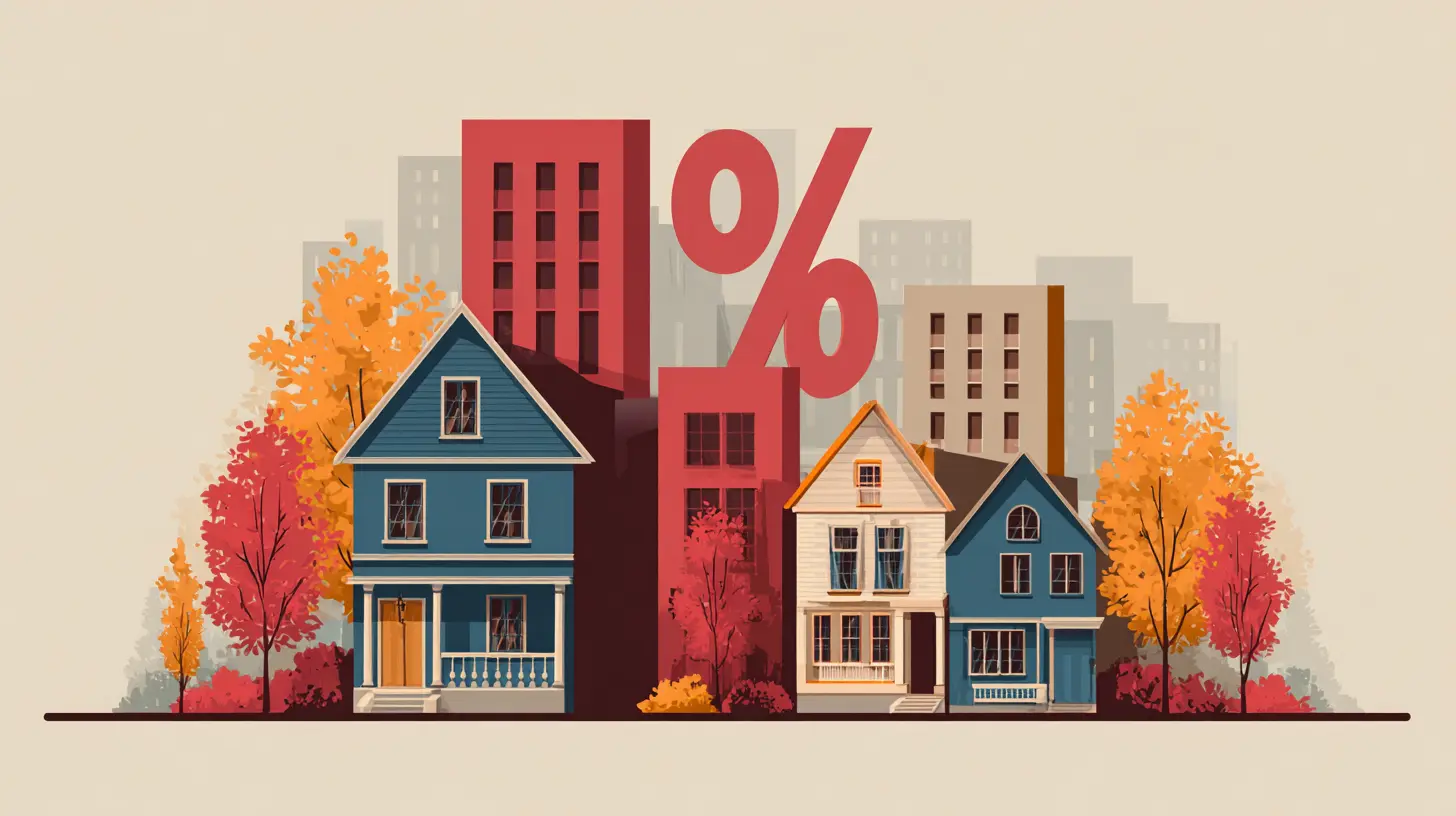
What Are Interest Rates and Who Controls Them?
Before we get into the effects, let’s quickly cover the basics. Interest rates represent the cost of borrowing money. When you take out a mortgage, the bank lends you money, but they charge you interest as a fee for borrowing.These rates aren’t pulled out of thin air; they’re heavily influenced by central banks, like the Federal Reserve in the U.S. The Federal Reserve (or the Fed) adjusts its benchmark interest rate to control inflation and economic growth.
- When inflation is high, the Fed raises rates to slow down borrowing and spending.
- When the economy is sluggish, they lower rates to encourage borrowing and stimulate growth.
Now, let’s dive into how these changes impact the housing market.
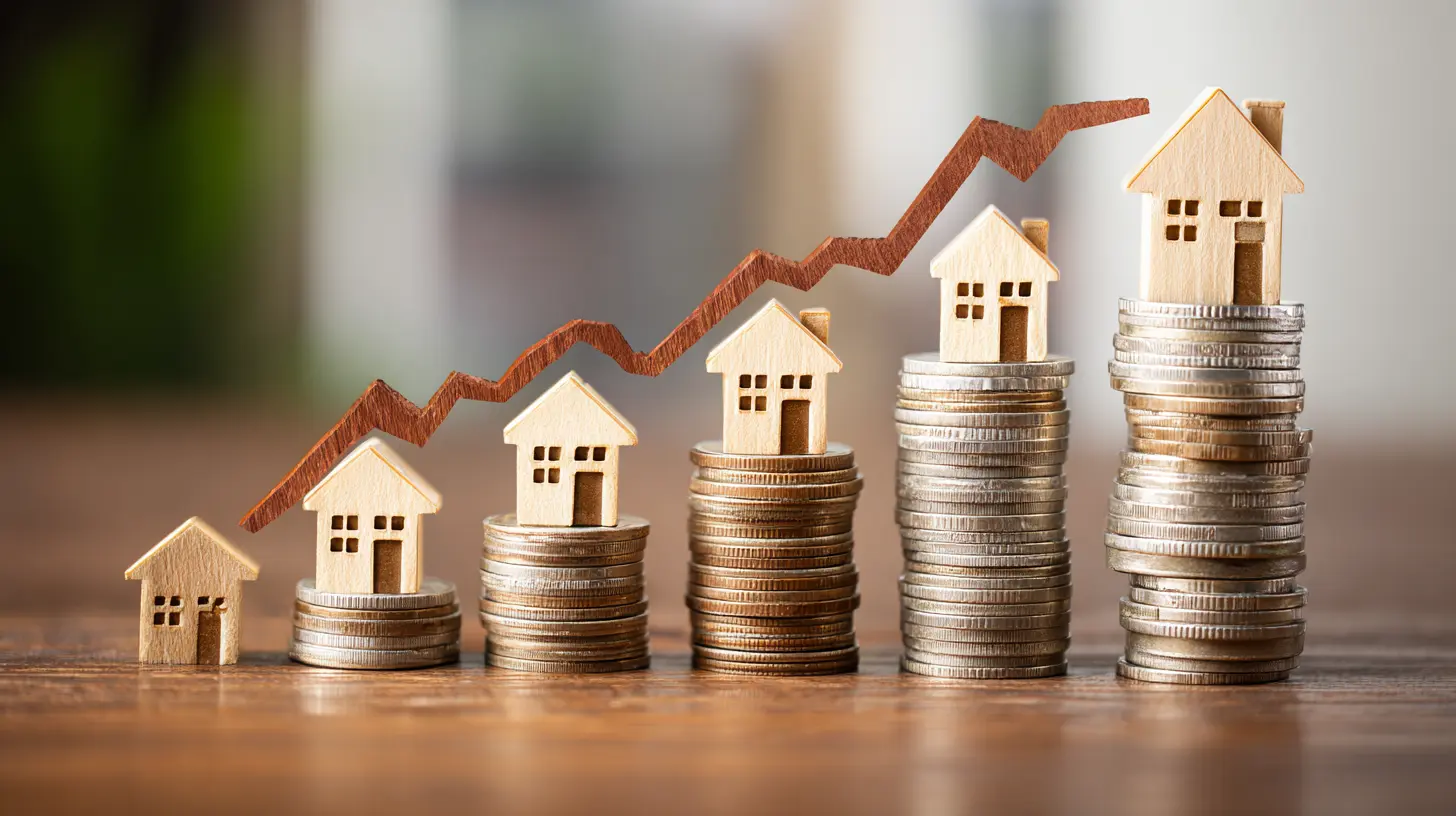
How Rising Interest Rates Affect the Housing Market
1. Higher Mortgage Rates Mean Higher Monthly Payments
When interest rates rise, mortgage rates follow. This means homebuyers end up paying more interest on their loans, increasing their monthly mortgage payments. For example:- A $300,000 mortgage at 3% interest would cost around $1,265 per month.
- At 6%, that same loan jumps to $1,799 per month.
That’s an extra $534 per month – a significant difference! As a result, many potential buyers get priced out of the market, leading to lower demand.
2. Housing Demand Drops, Slowing Down Home Sales
Higher mortgage rates shrink affordability, which causes fewer buyers to enter the market. This naturally leads to:- Fewer offers on homes
- Longer time on the market for sellers
- Fewer bidding wars
Essentially, an increase in interest rates can cool down an overheated housing market.
3. Home Prices May Start to Decline
With fewer buyers able to afford homes, demand decreases. And as demand drops, home prices may start to fall because sellers must lower their asking prices to attract buyers.However, this doesn't always happen immediately. In high-demand areas with a housing shortage, prices may remain stable despite rising interest rates.
4. Refinancing Becomes Less Attractive
When rates are low, homeowners rush to refinance their mortgages to secure better terms. But as rates rise, refinancing becomes less appealing because homeowners don’t want to trade a low rate for a higher one.This means lenders see fewer refinancing applications, which can also impact the broader financial market.
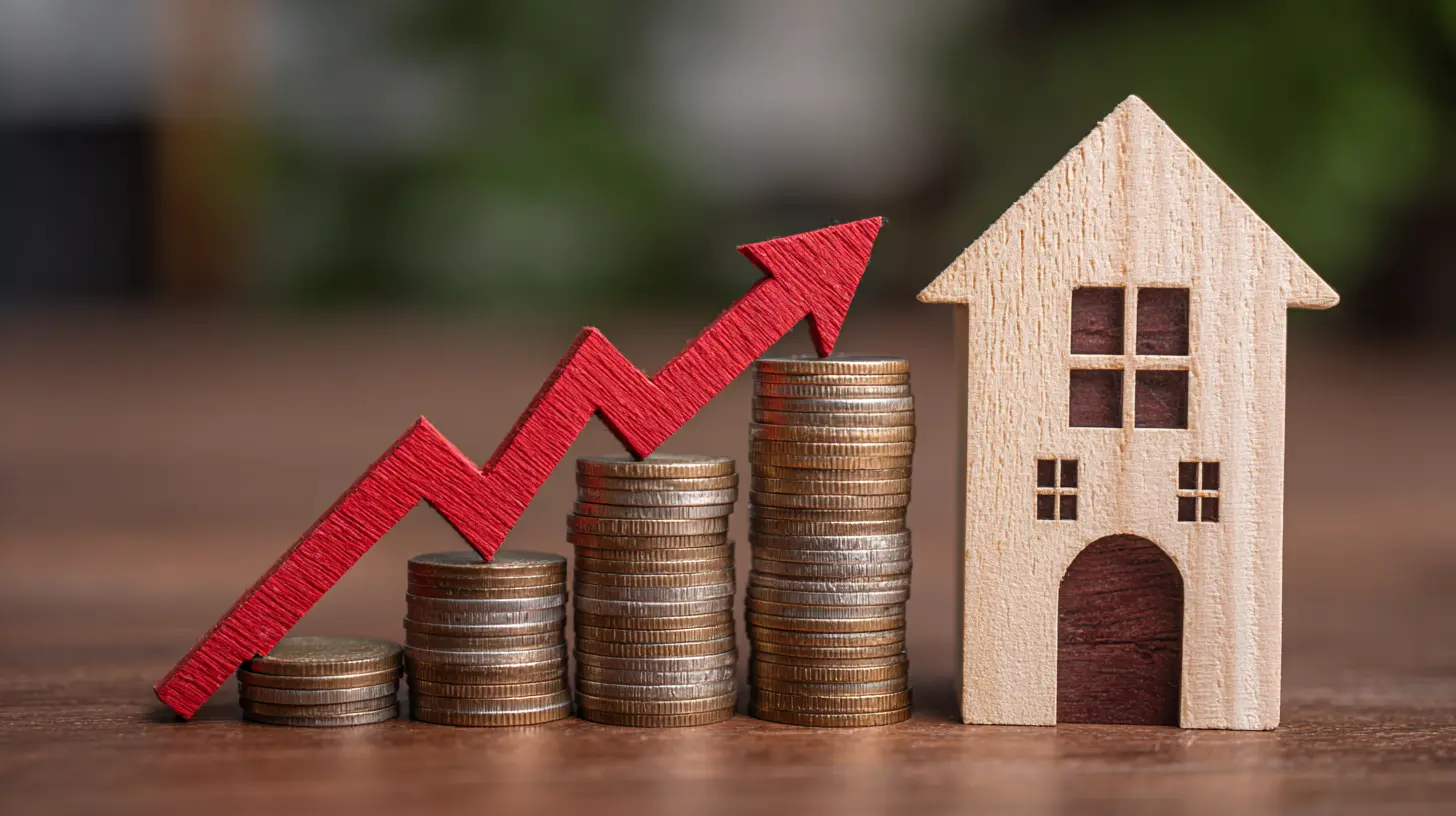
How Falling Interest Rates Affect the Housing Market
1. Lower Mortgage Rates Make Buying More Affordable
When interest rates fall, homebuyers benefit from lower monthly payments, making homeownership more accessible.For example, if mortgage rates drop from 6% to 3%, the monthly payment on that $300,000 loan shrinks by over $500. This newfound affordability encourages more people to buy, boosting demand.
2. Increased Demand Can Drive Home Prices Up
More buyers in the market create competition, leading to multiple offers and, in many cases, bidding wars. This demand often pushes home prices higher, benefiting sellers but making it harder for first-time buyers to find affordable homes.3. Refinancing Activity Increases
When rates drop significantly, homeowners rush to refinance their existing mortgages to lock in lower interest rates. This can free up extra money for consumers, allowing them to spend more, invest, or save – all of which can stimulate the economy.4. Housing Market Boom and Investor Activity
Lower interest rates don’t just attract first-time buyers; they also draw in real estate investors looking to take advantage of cheap borrowing costs.- Investors may buy rental properties.
- House flippers may take out loans to renovate and resell homes at higher prices.
This increased activity can lead to a housing market boom – great for sellers but potentially risky if the market overheats.
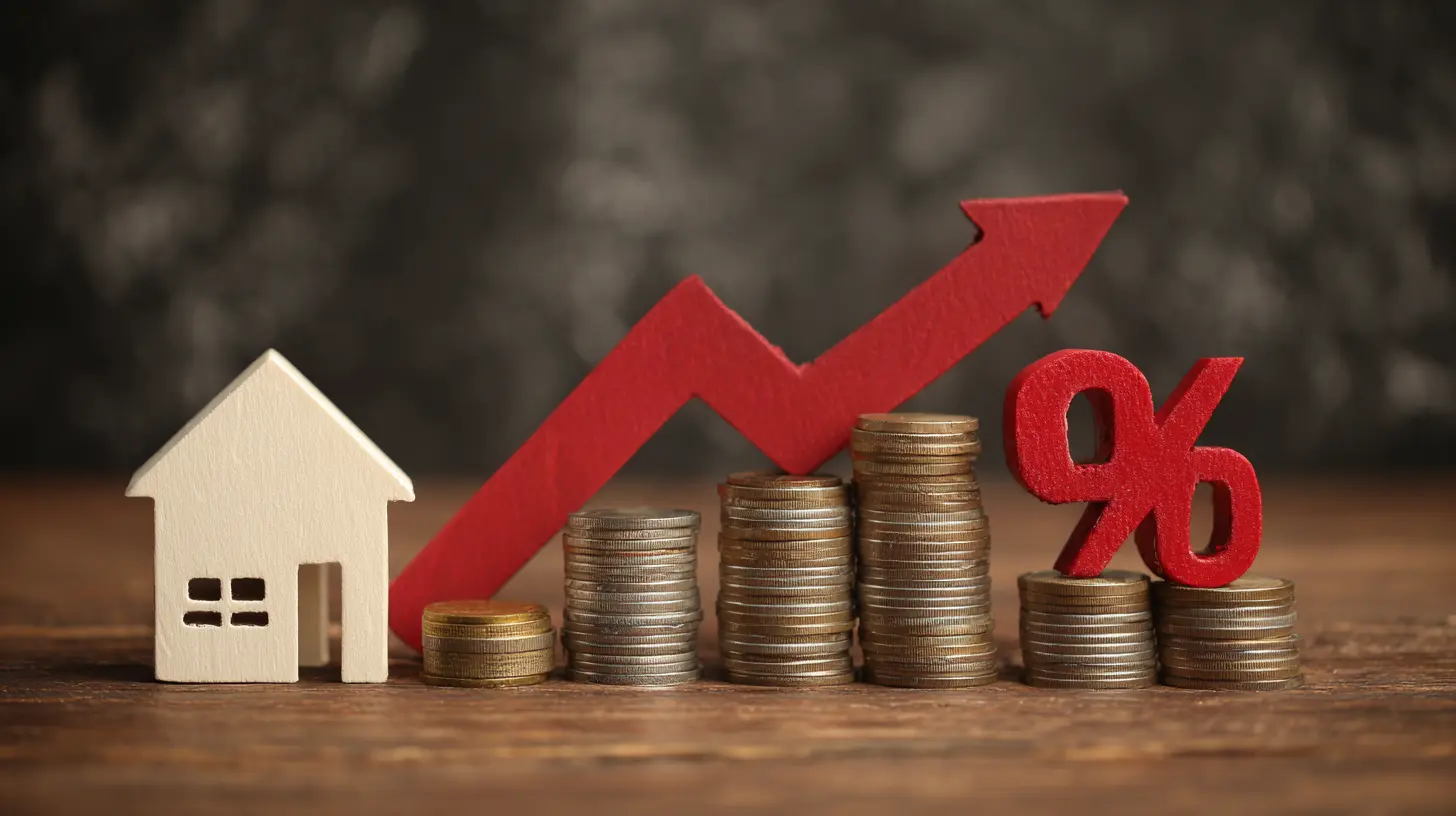
The Broader Economic Impact
The housing market isn’t just about buyers and sellers – it affects the entire economy. When interest rates change, the ripple effects are widespread.- Higher Interest Rates Slow Economic Activity: When borrowing becomes expensive, both consumers and businesses cut back on spending. This can lead to slower economic growth.
- Lower Interest Rates Stimulate Growth: Cheaper borrowing costs encourage spending in real estate, construction, and other industries, leading to job creation and economic expansion.
Because real estate contributes heavily to the economy, any shift in the housing market can impact financial markets, employment rates, and even stock prices.
Will Interest Rates Keep Rising?
Interest rates are always fluctuating based on economic conditions. The Fed carefully monitors inflation, employment data, and economic growth to determine rate adjustments.If inflation remains high, rates may continue increasing to cool down the economy. However, if the economy slows too much, the Fed could cut rates to encourage borrowing and investment again.
So, what should homebuyers and investors do? Keep an eye on interest rate trends, work with financial advisors, and always make informed decisions before jumping into the market.
Final Thoughts
Interest rates and the housing market go hand in hand. Whether you're a buyer, seller, or investor, understanding how rates influence the market can help you make smarter financial decisions.- High interest rates make homes less affordable, reducing demand and slowing price growth.
- Low interest rates encourage buyers and investors, boosting home sales and prices.
At the end of the day, the housing market is a game of supply, demand, and affordability. By staying informed about interest rate trends, you can navigate the market confidently—whether you're buying your first home, investing in property, or simply watching from the sidelines.
all images in this post were generated using AI tools
Category:
Interest Rates ImpactAuthor:

Yasmin McGee
Discussion
rate this article
1 comments
Lorelei McClellan
Interest rates and the housing market are like dance partners at a party: when one steps up, the other follows. It's all about timing and rhythm. Who knew economics could have such a lively groove? Let's keep watching the dance!
July 20, 2026 at 2:58 AM
Yasmin McGee
Great analogy! The interplay between interest rates and the housing market really does create a fascinating rhythm. It's all about staying in tune with the shifts.