Mortgage Insurance Explained: Do You Really Need It?
9 December 2025
Buying a home is one of the biggest investments most of us will ever make. Between saving for a down payment, hunting for the perfect property, and navigating the complicated mortgage approval process—there's a lot going on. Then, just when you think you’ve got it all figured out, your lender throws another term your way: mortgage insurance.
Cue the confusion.
What even is mortgage insurance? Do you have to have it? And most importantly—how much is this going to cost you?
Let’s break it all down in plain English, cut through the jargon, and help you figure out if mortgage insurance is a must-have or just one more line on your ever-growing home-buying to-do list.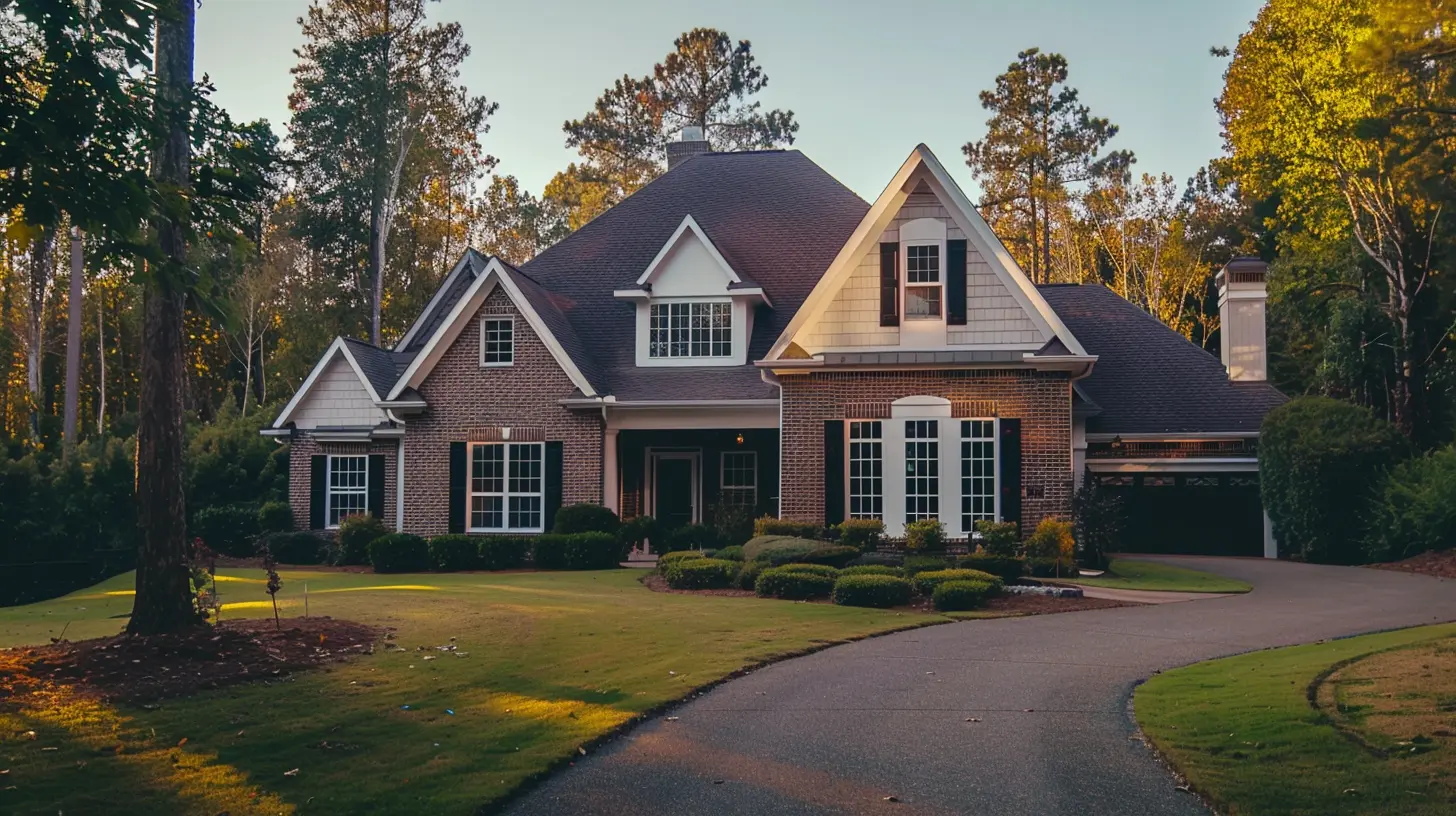
What Is Mortgage Insurance, Really?
Alright, let’s start with the basics.Mortgage insurance is a type of protection for your lender, not for you. Yep, read that again. Even though you're the one footing the bill, mortgage insurance primarily protects the bank or lending institution if you default on your loan.
Why? Because when you put down less than 20% on a home, lenders see it as a risk. You're borrowing a large chunk of money, and the less you put down upfront, the less skin you have in the game. To the lender, that could mean you're more likely to walk away from the mortgage if things get tough. Mortgage insurance steps in to reduce that risk.
Here’s a simple analogy—think of it like the airbags in your car. You hope you never actually need them, but they’re there to cushion the blow if something goes wrong. Except in this case, the “airbags” are for the lender, not you.
Types of Mortgage Insurance
Not all mortgage insurance is created equal. Depending on your loan type, there are a few different flavors of mortgage insurance:1. Private Mortgage Insurance (PMI)
PMI is the most common. If you’re getting a conventional loan and your down payment is under 20%, your lender will likely require PMI.- Cost: Typically ranges from 0.3% to 1.5% of your original loan amount annually.
- Payment Options: Can be paid monthly, upfront, or rolled into your loan.
- Cancellation: Good news—PMI isn’t forever. Once you hit 20% equity in your home, you can usually request cancellation. When you reach 22% equity, lenders are typically required to cancel it automatically.
2. FHA Mortgage Insurance Premium (MIP)
If you're going with an FHA loan—which is more lenient on credit score and down payment—you’ll get hit with both an upfront and annual mortgage insurance premium.- Cost: Upfront premium is 1.75% of the loan amount. Annual MIP ranges from 0.45% to 1.05%.
- No Cancellation (in most cases): For loans with less than 10% down, MIP stays for the life of the loan. Ouch.
3. VA and USDA Loans
Here’s where things get interesting.- VA Loans: No mortgage insurance, but there’s a funding fee. If you're a veteran, this is a major perk.
- USDA Loans: These require something similar to PMI, but the rates are usually lower.
Why Do Lenders Require It?
Put simply: it’s all about risk.Lenders want to stack the odds in their favor. If you default on your loan and there’s no insurance in place, selling the home might not cover the full outstanding balance. That means the lender could be left holding the bag.
Mortgage insurance gives lenders peace of mind. It’s a way for them to say, “Okay, we’ll take this smaller down payment, but only if we’ve got some protection in place.”
Think of it like this: lending you a mortgage with no mortgage insurance and a tiny down payment is like letting someone borrow your brand-new car without knowing if they have a driver's license. It’s a leap of faith most lenders won’t take.
Do YOU Really Need Mortgage Insurance?
Now, for the million-dollar question...The short answer? If you're putting down less than 20% on a conventional loan, yes, you'll likely need it.
But let’s look at a few different scenarios to understand your options better.
✅ Scenario 1: You Can Afford a 20% Down Payment
If you can swing it, great! You’ll sidestep PMI altogether, which could save you hundreds—or even thousands—every year. The bigger your down payment, the less you borrow, and the smaller your monthly mortgage payment.Sounds awesome, right? Just be sure you're not draining your emergency funds just to avoid PMI. If putting 20% down leaves you cash-strapped, you might be better off going with a smaller down payment and paying PMI for a while.
🏦 Scenario 2: You Can’t Afford 20%, But Want to Buy Now
This is where mortgage insurance becomes a useful tool. It allows you to get a foot in the door of homeownership sooner, instead of waiting years to save up that full 20%.Sure, you're paying extra each month, but you're also building equity as home values (hopefully) rise and your loan balance shrinks.
Plus, you can always refinance later to drop the PMI once your home's value goes up or you've paid down enough of the principal.
🚧 Scenario 3: You Have an FHA Loan
FHA loans are great for first-time buyers or folks with less-than-perfect credit. But the trade-off is that you’ll be stuck with mortgage insurance for the long haul—unless you refinance into a conventional mortgage down the road.So, while MIP might not be ideal, it’s often a fair price to pay for homeownership if you wouldn’t qualify otherwise.
Is It Worth It?
Let’s be honest—nobody wants to pay for mortgage insurance. It’s like having to buy extra batteries when you finally get that new gadget. You want to skip it, but you can’t.But here’s the thing: mortgage insurance isn’t always the enemy.
Sure, it adds to your cost. But it also opens doors. It allows you to buy a home sooner, and sometimes that’s worth every penny—especially if home prices in your area are climbing faster than your savings account is growing.
Buying a home today with PMI might actually be cheaper in the long run than waiting years and watching prices rise.
So instead of asking, "Is mortgage insurance bad?" try asking, "What am I getting in return for this cost?"
How Much Does It Cost You?
Let’s crunch some numbers.Say you're buying a $300,000 home with 10% down. That means you need to borrow $270,000. If your PMI rate is 0.75%, your annual premium is:
$270,000 x 0.0075 = $2,025/year, or about $169/month.
Not exactly pocket change, but not crazy either—especially when compared to the benefit of getting into a home you love.
How To Reduce Or Eliminate Mortgage Insurance
Good news: you’re not stuck with it forever. Here’s how you can dodge or ditch mortgage insurance:1. Increase Your Down Payment
If you can get to 20%, you’re in the clear. Even bumping from 5% to 10% can lower your PMI rate.2. Get a Piggyback Loan (80-10-10)
This is where you take out a first mortgage for 80%, a second loan for 10%, and put 10% down. It’s a little more complex, but can help you avoid PMI.3. Refinance Later
If your home goes up in value, or you’ve paid down some of the balance, refinancing might help you reach that 20% equity threshold and say buh-bye to PMI.4. Go With A VA Loan (If You Qualify)
Veterans and active-duty service members often qualify for VA loans, which don’t require PMI at all—seriously one of the best deals out there.Pros and Cons of Mortgage Insurance
Let’s lay it out:👍 Pros:
- Lets you buy a home sooner- Helps you get into a more competitive property market
- Can be temporary (in the case of PMI)
- Great for first-time buyers with limited savings
👎 Cons:
- Adds to your monthly cost- Doesn’t benefit you directly
- In government-backed loans (like FHA), it can stick around forever
Final Thoughts: Is It a Necessary Evil?
Mortgage insurance can feel like that extra charge you didn’t ask for—kind of like airline baggage fees. You’re already spending a ton, and now you’ve got this tack-on cost too?But here’s the kicker: sometimes it’s the ticket to something better.
If PMI or MIP is the only thing standing between you and owning a home, think of it as a stepping stone. You can always find ways to cancel, refinance, or restructure your loan later.
So, do you really need mortgage insurance?
Only if you want to make homeownership happen ASAP with less than 20% down. And in this crazy real estate world, that might just make it a price worth paying.
all images in this post were generated using AI tools
Category:
Mortgage TipsAuthor:

Yasmin McGee
Discussion
rate this article
2 comments
Sable McCarthy
Great insights! Understanding mortgage insurance is crucial.
December 13, 2025 at 4:21 AM
Yasmin McGee
Thank you! I'm glad you found it helpful. Understanding mortgage insurance can definitely make a big difference in your homebuying journey!
Flint Powell
Mortgage insurance is essential for many; don’t overlook its long-term benefits!
December 12, 2025 at 2:07 PM
Yasmin McGee
Thank you for your comment! You're right—mortgage insurance can provide crucial long-term benefits for many homeowners, making it an important consideration in the home-buying process.