Political Instability: How to Hedge Against Global Uncertainty
19 July 2026
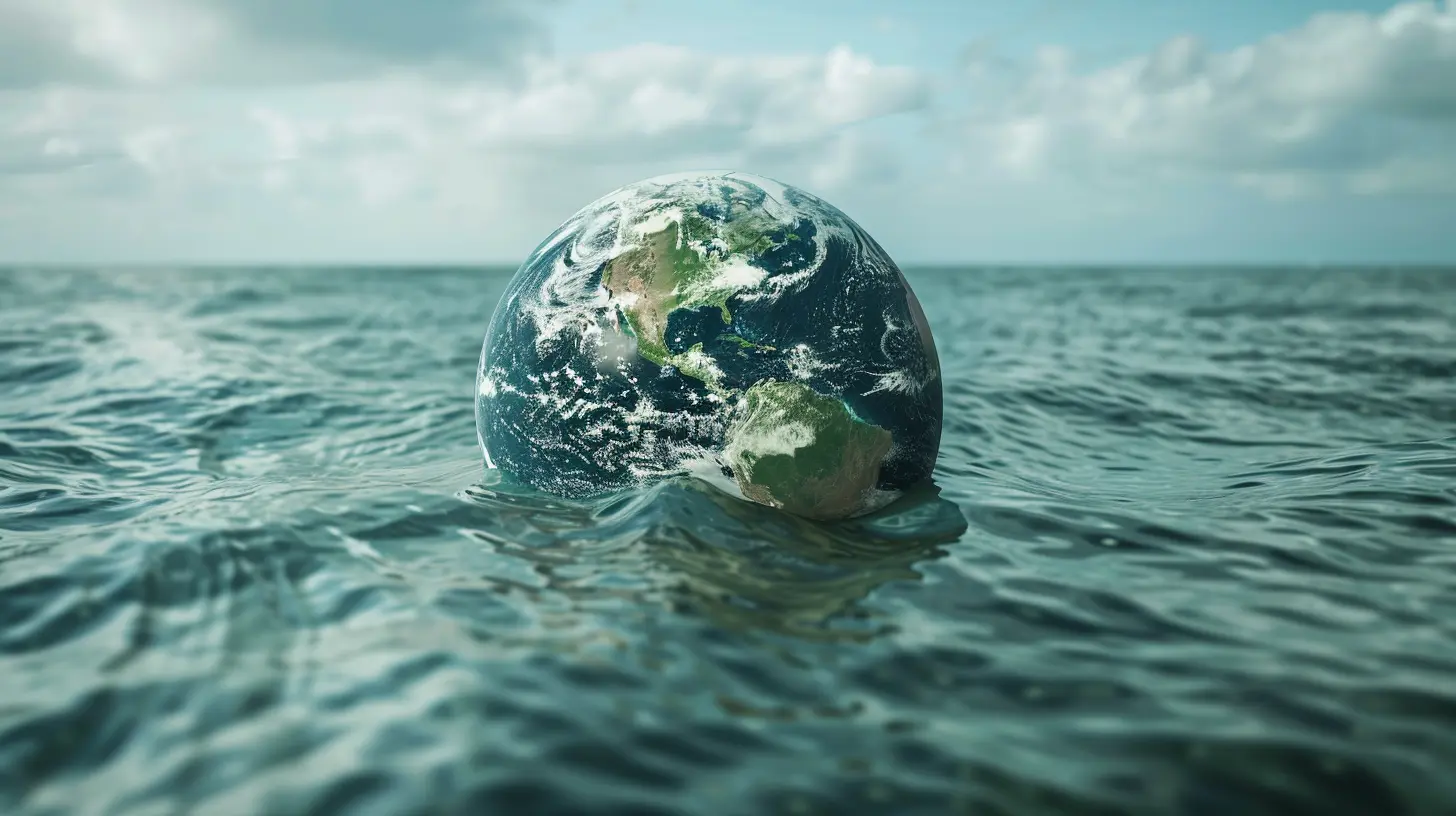
Political instability is like a storm at sea – unpredictable, chaotic, and capable of shaking even the strongest economies. Whether it's trade wars, government collapses, or geopolitical conflicts, global uncertainty affects everything from stock markets to inflation. But the good news? You don’t have to be at the mercy of these storms.
Just like a seasoned sailor prepares for rough waters, smart investors and businesses can take steps to hedge against instability. In this guide, we’ll break down strategies to protect your wealth, investments, and financial future when the world seems uncertain.

What Is Political Instability?
Before we dive into the strategies, let's define the problem. Political instability refers to unexpected changes in government policies, leadership, or international relations. This can include:- Elections and regime changes – shifts in political leadership can trigger policy changes that impact businesses and investors.
- Geopolitical conflicts – wars, trade disputes, and diplomatic tensions can cause market volatility.
- Economic sanctions and trade restrictions – these can disrupt global supply chains and affect investments.
- Regulatory uncertainty – sudden policy shifts (like tax reforms or nationalization of industries) can catch businesses off guard.
Now that we know what political instability is, let’s discuss how to protect your finances from its impact.

1. Diversify Your Investments
Imagine putting all your eggs in one basket and dropping it – disaster, right? The same concept applies to investing. Diversification is the key to risk management.How to diversify effectively:
- Invest in different asset classes – Stocks, bonds, real estate, gold, and cryptocurrencies can perform differently under various economic conditions.- Geographical diversification – Spread investments across different countries. If one region faces turmoil, others may remain stable.
- Sector diversification – Avoid relying too much on one industry. A political crisis may hit some industries harder than others.
This approach ensures that even if one sector or country is affected, your entire portfolio doesn’t suffer.

2. Hold Safe-Haven Assets
When political uncertainty spikes, investors flock to safe-haven assets – those that tend to hold value even in crises.Best safe-haven investments:
- Gold and precious metals – Gold has been a go-to hedge for centuries during economic and political turmoil.- U.S. Treasury Bonds – These are considered one of the safest investments due to their stability and reliability.
- Swiss Franc (CHF) – The Swiss currency is known for its stability during global uncertainties.
- Bitcoin and Cryptocurrencies – While volatile, Bitcoin is often referred to as "digital gold" because of its potential as a store of value.
By allocating a portion of your portfolio to these safe-haven assets, you can reduce overall risk when markets become unstable.
3. Stay Informed and Adapt Quickly
Would you drive through a storm without checking the weather? Of course not! Staying informed about global events helps you anticipate economic shifts before they impact your finances.Ways to stay updated:
- Follow trusted financial news sources like Bloomberg, CNBC, and Reuters.- Monitor geopolitical developments and their potential impact on markets.
- Use economic indicators like inflation rates, interest rates, and GDP growth to gauge risk.
By keeping an eye on political trends, you can make informed financial decisions rather than reacting when it's too late.
4. Invest in Hard Assets
In uncertain times, hard assets (tangible investments) can provide stability. Unlike stocks that can plummet overnight, these assets have intrinsic value.Reliable hard assets:
- Real estate – Property prices may fluctuate, but demand for housing and commercial spaces remains.- Farmland and agricultural investments – Food is a fundamental need, making agriculture a resilient investment.
- Commodities like oil and industrial metals – Essential commodities often retain value despite political instability.
Owning tangible assets can act as a financial safety net when uncertainty shakes traditional markets.
5. Keep Some Cash on Hand
Cash is king, especially during volatile times. While inflation can erode its value, having liquidity allows you to take advantage of market opportunities when prices drop.Benefits of holding cash reserves:
- Provides a financial cushion during uncertain periods.- Offers flexibility to seize investment opportunities during downturns.
- Reduces dependence on withdrawing investments at unfavorable times.
A well-balanced strategy includes both cash reserves and investments, ensuring financial flexibility no matter what happens.
6. Consider Defensive Stocks
Not all stocks suffer during political instability. Defensive stocks (companies that provide essential goods and services) tend to remain stable even in economic downturns.Best defensive sectors:
- Healthcare and pharmaceuticals – People will always need medical care, regardless of economic conditions.- Consumer staples – Companies producing essential goods (like food and hygiene products) see consistent demand.
- Utilities – Electricity, water, and gas providers remain necessary despite political shifts.
By focusing on these reliable sectors, your portfolio can weather turbulent times with less risk.
7. Hedge with Foreign Currencies
If your country's economy is facing instability, shifting some funds into stronger currencies can act as a hedge.Best foreign currencies to consider:
- U.S. Dollar (USD) – The world's reserve currency and a safe-haven asset.- Swiss Franc (CHF) – Known for stability and resilience.
- Japanese Yen (JPY) – Often considered a safe-haven currency.
Diversifying into foreign currencies can help protect your wealth from domestic economic fluctuations.
8. Use Hedging Strategies
For experienced investors, financial hedging is a strategic way to manage risk. This involves using financial instruments to offset potential losses.Effective hedging techniques:
- Options and futures contracts – Protect stocks from extreme price swings.- Inverse ETFs – Funds that perform well when markets decline.
- Gold and commodity ETFs – Offers exposure to safe-haven assets.
These strategies require some expertise, but they can be powerful tools to safeguard investments.
9. Maintain a Global Perspective
In a connected world, isolating your financial strategy to one country can be risky. Think globally, invest wisely.Global investment strategies:
- Consider international ETFs and mutual funds.- Look at emerging markets with growth potential.
- Keep tabs on global economic trends to anticipate opportunities.
A global outlook ensures you're not overly reliant on any one economy, reducing the impact of political instability.
10. Protect Your Business from Political Risks
If you’re a business owner, political instability can impact operations, supply chains, and profitability. Risk management is crucial.How businesses can hedge risks:
- Expand to multiple markets – Reduces reliance on one country’s economy.- Use currency hedging – Protects against exchange rate fluctuations.
- Secure strong supplier relationships – Ensures continuity in case of trade disruptions.
- Stay compliant with international regulations – Avoids legal risks in unstable regions.
A proactive approach helps businesses remain resilient in uncertain political climates.
Final Thoughts
Political instability is inevitable, but financial chaos doesn't have to be. By diversifying investments, holding safe-haven assets, staying informed, and using strategic hedging techniques, you can shield your wealth from economic turbulence.Instead of fearing uncertainty, embrace a proactive mindset – because those who prepare today will thrive tomorrow, no matter what storms come their way.
all images in this post were generated using AI tools
Category:
Investment RisksAuthor:

Yasmin McGee
Discussion
rate this article
1 comments
Sylvia McMurtry
Great insights! It's crucial to stay informed and adapt our strategies in uncertain times.
August 4, 2026 at 1:04 PM
Yasmin McGee
Thank you! Staying informed really is key to navigating these challenges effectively.