Risks of Investing in High-Yield Dividends
30 May 2026
So, you've stumbled upon a stock that boasts a juicy 10% dividend yield. Sounds almost too good to ignore, right? I mean, who wouldn’t want their money working overtime while they sit back and watch the cash roll in?
But before you pop the champagne and start dreaming of early retirement, let’s pump the brakes a bit. Because here’s the truth: high-yield dividends aren’t always the golden ticket they seem to be.
In this article, we’re going to pull back the curtain on the risks of investing in high-yield dividends. We'll talk red flags, unsustainable payouts, company health, market tricks, and everything in between. If you're chasing yield, it's crucial to know what you're really signing up for.
What Exactly Is a High-Yield Dividend?
Let’s kick things off with a quick refresher. A dividend yield is calculated by dividing a company’s annual dividend payment by its stock price.Dividend Yield = Annual Dividend ÷ Share Price
So, if a stock pays $5 annually and is trading at $50, the yield is 10%. Seems simple, right?
But here’s the catch: Just because a yield is high doesn’t mean it’s healthy. A high yield might be a reward… or a warning.
The Allure: Why High-Yield Dividends Are So Tempting
There’s a reason investors flock to high-yield stocks. Who wouldn’t want a steady stream of income—especially during economic downturns or when interest rates are painfully low?Some benefits include:
- Passive income while holding the stock
- Potential for compounding if you reinvest the dividends
- Attractive returns in flat or bear markets
Sounds like a win-win, right?
But let’s not put on rose-colored glasses just yet.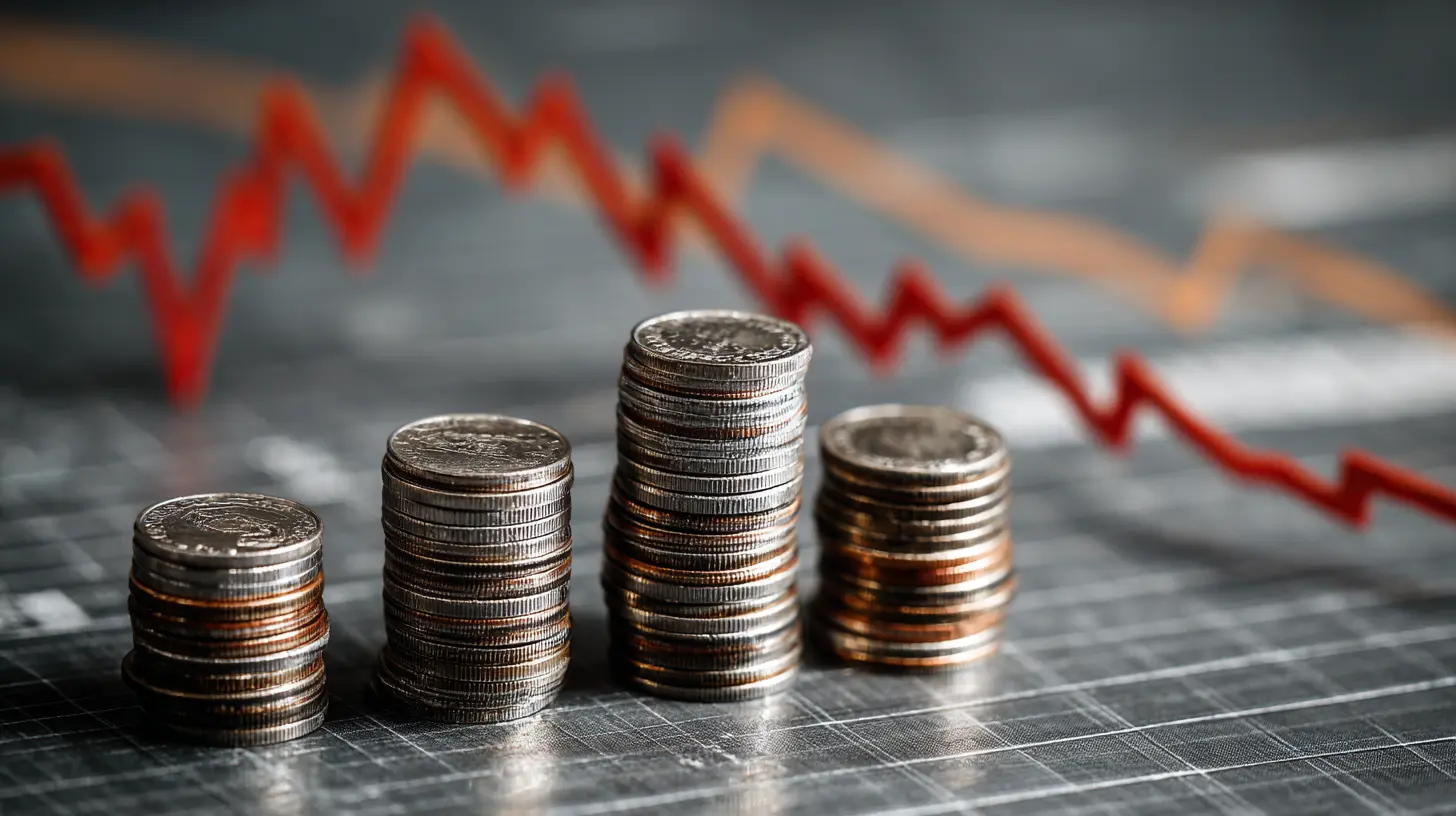
The Dividend Trap: When High Yield Is A Red Flag ?
A high yield isn’t always a good sign. In fact, sometimes it's a desperate cry for attention.Here are a few common traps:
1. Falling Stock Price - The Yield Illusion
Often, a dividend yield looks high simply because the stock price has nosedived. When the price drops and the dividend stays the same, the yield shoots up.But ask yourself this: Why is the stock price dropping?
It could be due to:
- Declining revenue
- Poor management
- Industry headwinds
- Looming debt
A high yield in this case isn’t a reward—it’s bait. And you might be walking into a value trap.
2. Unsustainable Payout Ratios
Another danger? A payout that’s just not sustainable long-term.Let’s say a company earns $2 per share but pays out $2.50 in dividends. That’s a payout ratio of 125%. They’re literally paying out more than they’re making.
This can't go on forever. Eventually, the company will need to cut the dividend—or worse, stop it altogether.
When that happens, guess what? The stock price often crashes even more. And suddenly, that "safe income stream" dries up like a summer puddle.
Cash Flow Crunches: The Quiet Killer
A company might show profits on paper but still struggle with actual cash flow. And dividends are paid in cash, not in accounting entries.If a company is tight on cash because of:
- Huge debt obligations
- Capital-intensive projects
- Rising operational costs
…it may start borrowing just to keep up with dividend payments. That’s not a strategy—it’s a ticking time bomb.
Sector Risk: Some Industries Are Just High-Yield By Nature
Ever notice how certain sectors always show high dividend yields?- Real Estate Investment Trusts (REITs)
- Business Development Companies (BDCs)
- Master Limited Partnerships (MLPs)
- Energy and utility stocks
These sectors often have to pay out most of their earnings. That’s just how their structures work.
But here's the thing—they also tend to be highly sensitive to:
- Interest rate changes
- Commodity price swings
- Regulatory headwinds
So while the yields might be delicious, the underlying volatility can give you financial heartburn.
The Risk of Dividend Cuts: A Silent Portfolio Killer
There’s no faster way to erode trust (and stock price) than a dividend cut.Income investors often treat dividends like rent checks. They rely on it month after month. So when a company slashes its dividend, it’s not just bad optics—it sends investors fleeing.
And when they flee? Stock prices can plummet even further.
Let’s use a dramatized example.
Imagine buying a stock with an 8% yield. You’re excited. You start collecting those sweet payouts. But six months later, the company cuts the dividend by half. Suddenly, that 8% becomes 4%, and the stock drops 30%. You’ve lost your income AND your capital. Ouch.
Interest Rate Sensitivity: The Hidden Yield Enemy
When interest rates rise—say, via the Federal Reserve—high-yield dividend stocks suddenly have competition.Investors now have the option of risk-free government bonds offering similar (or better) returns. So they pull money out of dividend stocks and flock to bonds.
What happens next?
- Demand for those stocks drops
- Prices fall
- Yields go up even more (but so does your risk)
It’s a vicious loop, especially for sectors like utilities and telecoms, which are highly rate-sensitive.
Tax Inefficiencies and Dividend Income
Let’s not forget Uncle Sam. While dividends might feel like free money, they're often taxed—sometimes twice.- Qualified dividends often get favorable tax treatment
- Ordinary dividends can be taxed as regular income
And if you're investing through taxable accounts, your real return might be nowhere near that headline yield.
Inflation: The Silent Thief
High-yield dividends might feel like a buffer against inflation. But if the underlying company doesn’t grow, your income stays flat while prices rise.Think about it: A fixed $1 dividend buys less and less each year if inflation is climbing.
That’s why growth in earnings is just as important as the yield itself. You want companies that can increase payouts year after year—not just sit stagnant while inflation eats your buying power.
Lack of Capital Appreciation: Missing the Bigger Picture
High-yield stocks often lack one key thing—growth.A mature company paying 7% dividends might not be growing much anymore. Meanwhile, a solid growth stock reinvesting earnings might climb 15% annually in market value.
If you're only focused on income, you might miss out on total return—dividends + capital gains.
That’s like choosing a comfy armchair over a sports car. Sure, it feels good now, but it's not going to get you very far down the road.
How to Approach High-Yield Dividends (Safely)
Alright, enough gloom and doom. High yields aren’t always bad—if you know what you’re doing.Here’s how to play it smart:
1. Check the Payout Ratio
Aim for companies with payout ratios under 75%, especially in volatile sectors. That gives them room to breathe (and grow).2. Assess Dividend History
Has the company consistently paid (and grown) dividends over the years? A strong track record is a very good sign of sustainability.3. Look at Free Cash Flow
This is where the rubber meets the road. If a company’s not generating cash, those dividends are running on fumes.4. Diversify Your Income Sources
Don’t go all-in on one high-yield stock or sector. Spread it around across industries, geographies, even asset classes.5. Balance Yield and Growth
Try blending high-yield with dividend growth stocks—companies that steadily raise their payouts annually. It’s like having your cake and watching it rise too.Final Thoughts: Don't Let Yield Blind You
At the end of the day, chasing high-yield dividends blindly is like chasing a mirage in the desert. It might look refreshing from afar, but it could be a trap ready to suck your portfolio dry.There’s nothing wrong with seeking income—especially in retirement. But the key is balance, research, and realistic expectations.
Always look beneath the surface. Ask yourself:
- Can the company sustain this payout?
- Is the business model healthy?
- What’s the bigger picture for growth and risk?
Because remember: A high yield might make your portfolio look great on paper… until it doesn't.
all images in this post were generated using AI tools
Category:
Investment RisksAuthor:

Yasmin McGee
Discussion
rate this article
1 comments
Raleigh Lawson
High yields attract, but careful assessment is essential.
May 30, 2026 at 4:25 AM
Yasmin McGee
Absolutely, the allure of high yields should always be balanced with thorough due diligence. Risks can quickly outweigh rewards if not carefully considered.