The Benefits of Biweekly Mortgage Payments: Are They Worth It?
7 April 2026
Alright, let’s talk about your mortgage. Yeah, I know—it’s not exactly cocktail party conversation. But if you're looking for a way to shave years off your home loan and save thousands (yes, thousands!) in interest, then pull up a chair, because biweekly mortgage payments might just be your new financial BFF.
Sound too good to be true? Buckle up, because we’re about to break down the what, why, and how of biweekly mortgage payments in a way that’s bold, sassy, and oh-so-simple.
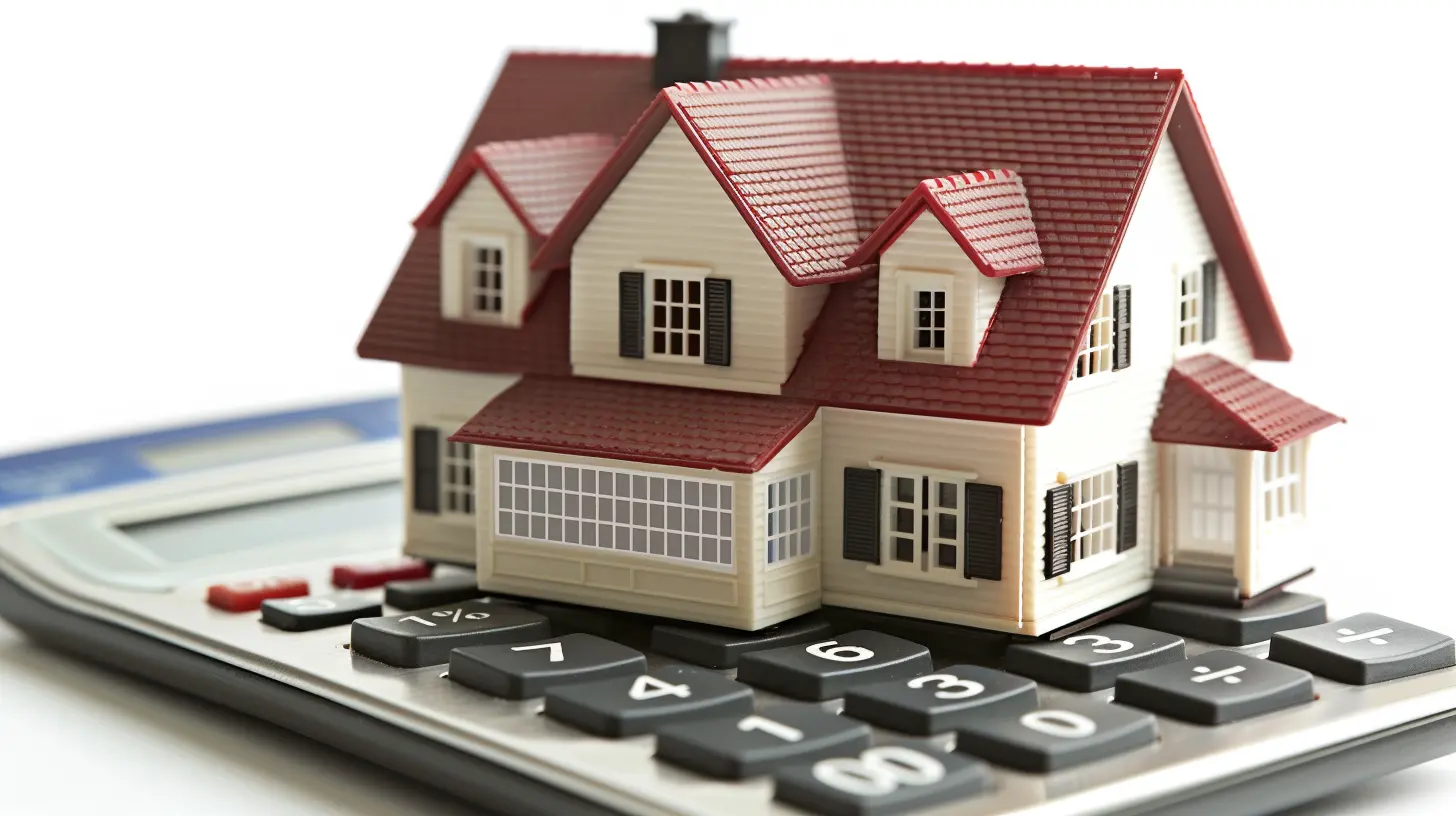
What Exactly Are Biweekly Mortgage Payments?
Let’s not make this complicated. A biweekly mortgage payment plan means you pay half of your monthly mortgage every two weeks instead of making one full payment once a month. That’s it.But here’s where the magic happens: because there are 52 weeks in a year, you end up making 26 half payments. And if you’re doing the math (we’ll do it for you if you’re not), that equals 13 full payments a year instead of 12.
Yes, you’re sneakily making one extra payment a year—and that one little extra payment packs a serious punch.

The Big Question: Why Would Anyone Do That?
You’re probably wondering, “Why would I willingly pay more each year?” I get it. On paper, it feels like voluntarily stepping into a financial trap. But it’s actually a smart, strategic move that savvy homeowners swear by.Here’s why:
1. You’ll Crush Your Mortgage Sooner
Here’s a spicy little truth: Just by making that extra payment each year, you can knock off years from your mortgage term. Like, 4 to 6 years on a 30-year mortgage. That’s almost a baby entering kindergarten and graduating middle school worth of mortgage freedom.Think about what you could do with that extra time without a mortgage: travel, invest, start a business, or just breathe easier.
2. Interest? You’ll Laugh in Its Face
Interest is the villain in your mortgage story. It’s the sneaky little expense that adds up to tens (or hundreds!) of thousands over time. Biweekly payments slash that interest like a sword-wielding hero in a budget-friendly Netflix drama.When you pay more frequently, there’s less principal for the bank to charge interest on. Less principal = less interest. It’s math, but like, the fun kind.
3. Budget-Friendly? Absolutely
Let’s be real: a big ol’ monthly mortgage bill can be painful. Biweekly payments? Way less intimidating. Cutting your mortgage in half and spreading it out every two weeks can actually make budgeting easier—especially if you’re paid biweekly.You’re matching your payment schedule with your paycheck. It’s like peanut butter meeting jelly. Sweet harmony.
4. Builds Good Habits (No, Really)
Making biweekly payments instills a sense of discipline. If you’re the kind of person who tends to splurge when there’s extra cash lying around (#Guilty), this system keeps you on track.You’ll become the kind of person who controls their money—not the other way around. And trust me, that’s an energy upgrade you didn’t know you needed.

Let’s Talk Dollars: Real-Life Savings Example
Okay, let’s do some number-crunching—but like, the sexy kind.Scenario:
- 30-year mortgage
- $300,000 loan amount
- 6.5% interest rate
- Monthly payment: around $1,896 (just principal and interest)
With monthly payments, over 30 years, you’ll pay about $682,000 total. Yep, that’s $382,000 in interest alone. Ouch.
Now switch to biweekly payments. You end up paying $948 every two weeks, which = $24,648 per year instead of the usual $22,752.
End result?
- You pay off your mortgage in about 25 years instead of 30
- You save around $70,000 in interest
Let that sink in. That’s seventy grand not going to your lender’s yacht fund.

The Catch? There are a Few
Okay, hold up. Before you run off and set up biweekly payments, let’s hit pause and talk drawbacks. Because no financial strategy is all rainbows and dollar signs.1. Not All Lenders Support It
Some lenders are stuck in the financial stone age and won’t accommodate biweekly payments directly. Boo. Some may charge fees, or they might hold your payments in a separate account until the second one comes in—defeating the whole point.Always call and ask. If they don’t offer it, don’t worry—we’ll talk DIY workarounds in a sec.
2. Cash Flow Might Be Tight
Sure, biweekly payments sound easier on your budget. But every once in a while (like two months a year), you’ll have three payments instead of two. If you’re living paycheck-to-paycheck, even a half-mortgage surprise might throw you off-balance.3. Watch Out for Scams
Some shady companies offer to “set up” biweekly payments for you... for a fee. Spoiler alert: you don't need to pay someone else to do this for you. You're perfectly capable (and smarter) than that.How to Set Up Biweekly Payments (the Smart Way)
Still with me? Good. Let’s talk implementation.Option 1: Official Biweekly Plan Through Your Lender
This is the easiest way—if your lender offers it. Just call, ask if they can set up a biweekly plan, and make sure those payments are applied as they’re received (not held in escrow until month-end).Option 2: DIY Biweekly Hack
No biweekly plan from your lender? No sweat. Here’s the trick:Instead of actually paying every two weeks, take your monthly mortgage amount, divide it by 12, and add that amount to each monthly payment.
Let’s say your monthly mortgage is $1,800.
- $1,800 ÷ 12 = $150
- Pay $1,950 each month
That extra $150/month equals one full extra payment over the year, the same result as biweekly payments. Boom. Problem solved.
Option 3: Automated Transfers
Set up an auto-transfer from your checking to a savings account every two weeks. Once you’ve banked enough for a full extra payment, make a principal-only payment. Just mark it "apply to principal" when you send it in.Simple. Clean. Savvy.
When Biweekly Payments Aren’t the Best Move
Let’s not pretend this strategy is one-size-fits-all. There are times when biweekly payments just don’t make sense, like:- High-Interest Debt: If you’re drowning in credit card interest (we’re talking 20%+), tackle that beast first.
- Low Emergency Fund: If you don’t have 3-6 months of expenses saved up, pump the brakes. A biweekly plan won’t help if a surprise expense sends you into panic mode.
- Investments Yielding Higher Returns: Sometimes, your cash works harder in a high-yield investment than it does sitting in mortgage equity. Time for some number crunching.
Just remember: being mortgage-free is great, but not if it's at the expense of your overall financial health.
Final Verdict: Are Biweekly Mortgage Payments Worth It?
Oh honey, you bet they can be—if done right.You're paying off your home faster. You’re saving tens of thousands in interest. You’re budgeting like a boss. And best of all? You’re flipping off the mortgage company (financially speaking) every time you make an extra payment.
But remember, you’ve got to run the numbers and play it smart. Don’t stretch yourself too thin. Don’t fall for scams. And for the love of lattes, don’t forget the goal: long-term financial freedom.
Biweekly mortgage payments aren’t a magic wand, but in the hands of a savvy homeowner like yourself? Oh, they’re pure power.
So grab your calculator, call your lender, and start making those money moves. Your future self (the one sipping margaritas in a paid-off house) will thank you.
all images in this post were generated using AI tools
Category:
Mortgage TipsAuthor:

Yasmin McGee
Discussion
rate this article
2 comments
Phoenix Elliott
Biweekly mortgage payments can lead to significant savings on interest and help pay off your loan faster. This strategy allows homeowners to make 13 full payments a year rather than 12, which can reduce the overall loan term. It's worth considering for long-term financial health.
June 22, 2026 at 4:37 AM
Yasmin McGee
You make a great point. Biweekly payments can indeed trim interest costs and accelerate loan payoff. It's a smart move for many homeowners looking to enhance their financial health.
Thalwen Lane
Biweekly payments: like giving your mortgage a cheeky little dance! Fewer interest waltzes and a quicker payoff shuffle—who knew budgeting could be so groovy?
April 7, 2026 at 12:52 PM
Yasmin McGee
Glad you enjoyed the article! Biweekly payments do add a fun twist to budgeting while saving on interest. Keep that groove going!