The Dangers of Emotional Investing
1 March 2026
Investing is often portrayed as a numbers game—an analytical process driven by research, strategy, and logic. But in reality, emotion plays a massive role in financial decision-making. From the highs of market rallies to the gut-wrenching drops during a crash, investors frequently let emotions dictate their actions. And that’s where the real trouble begins.
Emotional investing can lead to impulsive decisions, poor risk management, and significant financial losses. Understanding the risks and learning how to keep your emotions in check is crucial if you want to succeed in the long run.
Let’s dive into the dangers of emotional investing and how you can avoid falling into its trap.
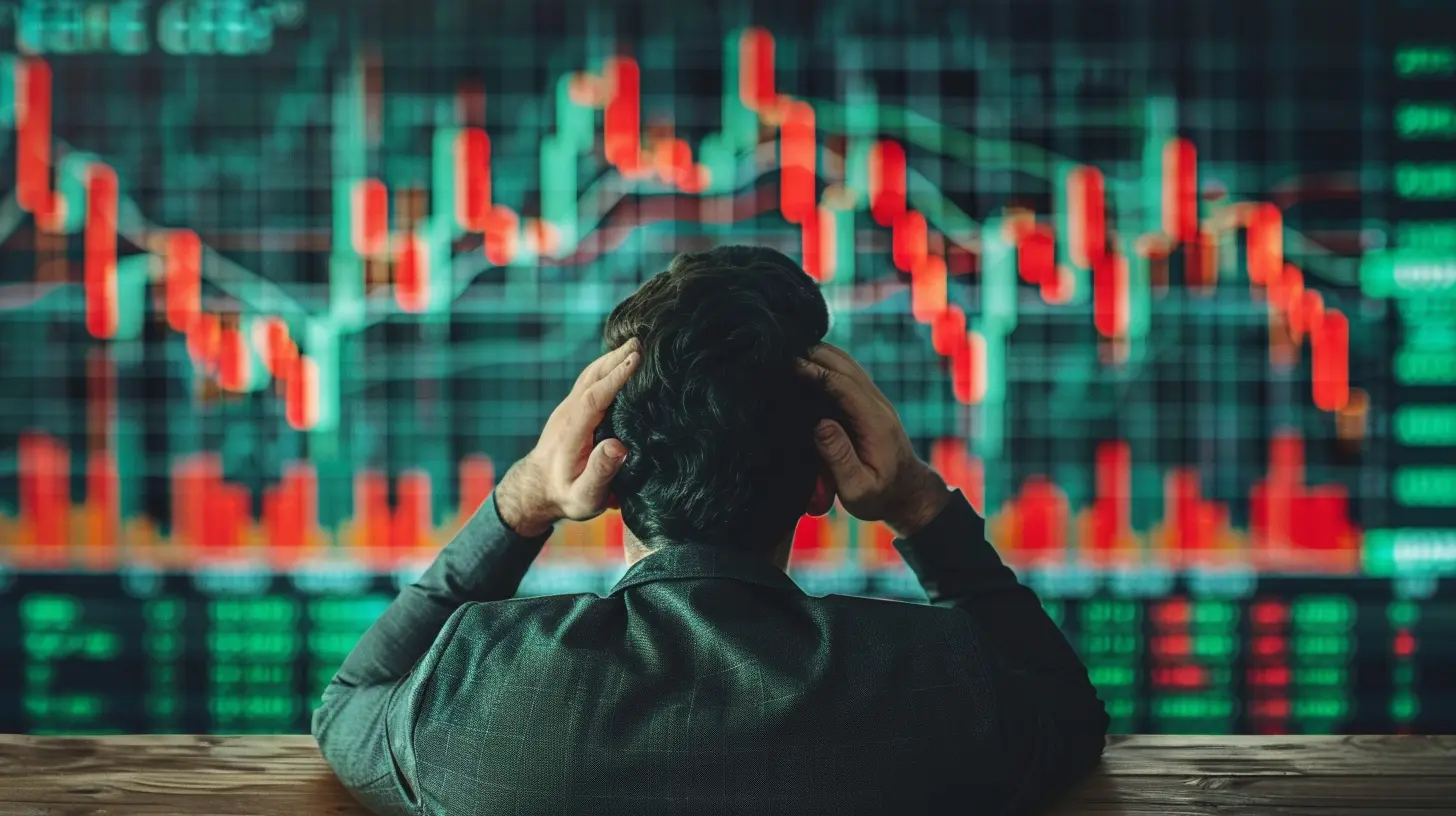
What Is Emotional Investing?
Emotional investing happens when emotions—such as fear, greed, or excitement—drive investment decisions rather than logic and strategy. Instead of relying on research, investors react to market movements emotionally, often making decisions that go against their long-term goals.Ever heard of "buy low, sell high"? Emotional investors often do the exact opposite. They chase stocks when prices are skyrocketing, fearing they’ll miss out (FOMO), and panic sell when markets crash, afraid of losing everything.
Common Emotional Triggers in Investing
- Fear – When the market drops, investors panic and sell at a loss.- Greed – Seeing others make money, investors chase hot stocks or trends.
- Regret – Missing out on opportunities causes investors to take unnecessary risks.
- Overconfidence – Past wins make investors think they can't lose.
- Herd Mentality – Following the crowd rather than doing independent research.
Now, let’s break down why emotional investing can be so dangerous.

1. Buying High and Selling Low
One of the biggest mistakes emotional investors make is buying when markets are at their peak and selling when they hit rock bottom. It’s completely backward from what smart investing should be.Imagine this: You see a stock everyone is talking about. Prices are soaring, and you feel like you’re missing out. You buy in at the top, expecting it to keep climbing. But then, the hype fades, and the stock price crashes. Fear kicks in, and you sell at a loss.
This cycle of FOMO buying and panic selling leads to unnecessary losses and can wipe out wealth over time.

2. Overtrading and Chasing Hype
Markets are always moving, and so are the headlines. Every day, there's a new "hot stock" or "once-in-a-lifetime opportunity." Emotional investors jump from one hype train to another, constantly buying and selling.But here’s the reality: Overtrading leads to higher transaction costs, short-sighted decisions, and often lower returns. Successful investors focus on long-term growth, not quick wins.
Remember meme stocks like GameStop? Many jumped in late, hoping to strike it rich, only to realize they were buying at inflated prices. The excitement faded, prices plummeted, and many investors were left holding the bag.

3. Letting Fear Paralyze You
Not all emotional investing is about acting impulsively. Sometimes, fear stops people from investing at all.Many potential investors stay on the sidelines, worried about market crashes, inflation, or economic uncertainty. While it's smart to be cautious, keeping all your money in cash means you're missing out on potential growth.
The stock market has historically trended upward over the long term. Sitting out of investing altogether due to fear means losing out on compound growth—one of the most powerful wealth-building tools.
4. Ignoring Long-Term Strategy
Investing should be a marathon, not a sprint. But emotions often make people forget that.When markets are booming, investors feel invincible. They take on too much risk, assuming the good times will last forever. Then, when a downturn hits, they panic and abandon their investment plans.
A strong investment strategy is built with long-term goals in mind. Short-term emotions should never dictate long-term decisions. If you’re constantly tweaking your portfolio based on fear or excitement, you’re likely doing more harm than good.
5. Revenge Investing: Trying to “Win Back” Losses
After suffering a loss, emotional investors often try to make up for it by taking bigger risks—sometimes doubling down on bad investments or jumping into riskier assets.This is known as revenge investing, and it’s dangerous. Instead of rationally assessing the situation, investors let their emotions push them into even bigger mistakes. It’s the financial equivalent of going to a casino and betting everything on one last spin, hoping to recover losses.
6. Herd Mentality: Following the Crowd Blindly
If everyone’s investing in something, it must be a good idea, right? Not necessarily.The herd mentality can lead to market bubbles, speculation, and financial disasters. History has shown this time and time again—the dot-com bubble, the cryptocurrency crashes, and the real estate bust of 2008.
By the time the average person jumps on a hyped investment, it’s often too late. When everyone is already buying, prices are high, and a crash may be imminent. A smart investor does their own research and avoids blindly following the crowd.
How to Avoid Emotional Investing
Now that we know the dangers, how do we avoid making these emotional mistakes? Here are some practical steps:1. Have a Clear Investment Plan
Before you invest, set clear goals, define your risk tolerance, and create a strategy. Having a solid plan helps prevent emotional decisions.2. Stick to a Long-Term Mindset
Markets will go up and down, but historically, they’ve always trended upward. Stay the course and don’t let short-term fluctuations shake you.3. Use Automated Investing
Setting up automated contributions to your investments (like a 401(k) or an index fund) removes emotion from the equation. You invest consistently, regardless of market conditions.4. Limit Checking Your Portfolio
Constantly checking your portfolio can lead to panic decisions. Markets are volatile day-to-day, but that doesn’t mean you need to react every time.5. Have a Stop-Loss Strategy
Setting automatic stop-loss orders can prevent massive losses by selling investments when they drop to a pre-determined level. This helps you avoid emotional decision-making in the heat of the moment.6. Get a Second Opinion
Before making a big financial decision, talk to a trusted financial advisor or mentor. A second opinion can help you see things more clearly and keep emotions in check.Conclusion
Emotional investing is one of the biggest enemies of financial success. Whether it's fear, greed, overconfidence, or herd mentality, letting emotions drive your investment decisions can lead to costly mistakes.The key to avoiding emotional investing is having a solid plan, thinking long-term, and staying disciplined. The best investors remove emotion from the equation and stick to their strategy, regardless of market noise.
So next time you feel the urge to buy into hype or sell in panic, take a deep breath, step back, and remind yourself of the bigger picture. Your future financial success depends on it.
all images in this post were generated using AI tools
Category:
Investment RisksAuthor:

Yasmin McGee
Discussion
rate this article
2 comments
Ariana Long
Great article! Understanding the impact of emotions on investment decisions is crucial. Staying disciplined and informed can lead to better financial outcomes. Thanks for sharing these valuable insights!
April 1, 2026 at 10:34 AM
Yasmin McGee
Thanks for your feedback! I'm glad you found the insights valuable. Staying disciplined is key in investing.
Fenn McGee
Stay rational, avoid losses.
March 5, 2026 at 5:17 AM
Yasmin McGee
Thank you! Staying rational is key to mitigating risks in investing.