The Environmental Impact of Going Paperless with Digital Wallets
20 September 2026
Most conversations about digital wallets revolve around convenience. You tap your phone, the transaction clears, and you move on with your day. What rarely enters the discussion is what happens on the other side of that tap, specifically what does not happen. No receipt gets printed. No check gets mailed. No card statement arrives in a stack of envelopes. Those small omissions, multiplied across billions of transactions, add up to something meaningful for the environment. But the story is not as simple as "digital good, paper bad." The real picture involves trade-offs in energy, infrastructure, and human behavior that deserve a closer look.
This article examines the environmental case for digital wallets with the nuance it requires. It covers where the paper savings are real, where the digital costs hide, how to think about the net effect, and what individuals and businesses can actually do with that information.
What "Paperless" Actually Means in a Wallet Context
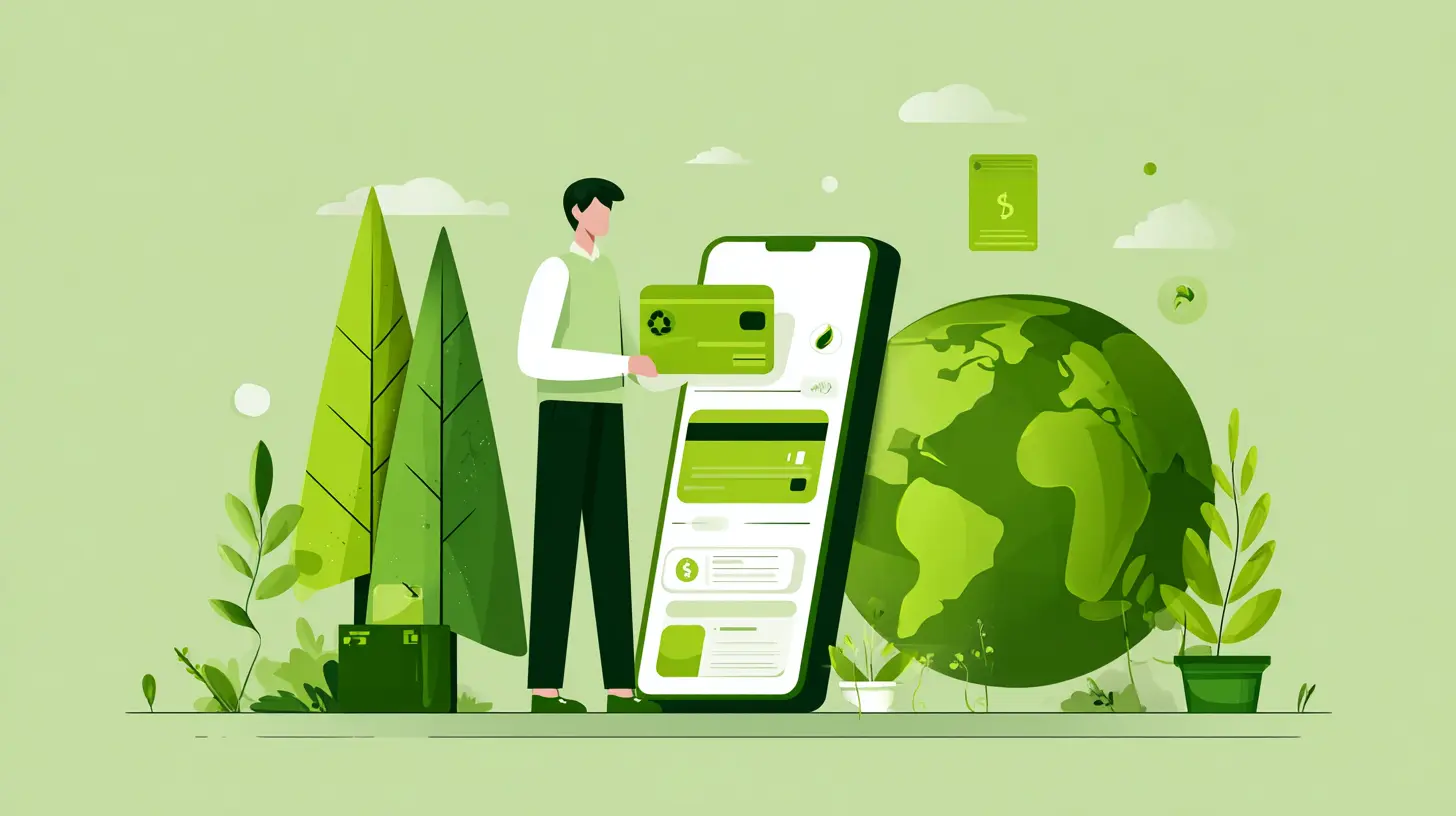
Before comparing environmental outcomes, it helps to define the scope. A digital wallet is any system that stores payment credentials and transaction data electronically, usually on a phone, smartwatch, or within a browser. Examples include Apple Pay, Google Wallet, Samsung Wallet, PayPal, and the wallet features built into banking apps. When people say digital wallets reduce paper use, they are usually referring to several distinct paper streams:- Physical currency and coin production
- Paper checks and deposit slips
- Printed receipts at the point of sale
- Mailed account statements and promotional inserts
- Paper invoices and remittance slips in business transactions
- Physical gift cards, loyalty cards, and transit passes
Each of these streams has a different environmental profile. A paper receipt uses a tiny amount of thermal paper, but thermal paper is often coated with chemicals that complicate recycling. A bank statement involves several sheets, an envelope, and a stamp, plus the fuel and logistics of delivery. A paper check requires manufacturing, printing, signing, mailing, and eventually archiving, sometimes for years. Digital wallets can eliminate or shrink all of these, but the degree of impact depends on which stream you are replacing and how thoroughly the replacement happens.

The Paper Savings: Where the Wins Are Real
Receipts and the Thermal Paper Problem
Paper receipts are the most visible target. In many countries, the default receipt is printed on thermal paper, which changes color when heat is applied rather than using ink. That paper is frequently coated with bisphenol A or bisphenol S, chemicals that have raised health and environmental concerns because they can leach into recycling streams and, in some cases, into the skin of people handling the paper.When a digital wallet generates an electronic receipt, the paper disappears, but so does the chemical coating that would have entered the waste stream. The benefit is not just the paper itself. It is the avoided contamination of recycling batches, which matters because a small amount of coated paper can degrade the quality of a much larger batch of recyclable material.
That said, the carbon footprint of a single receipt is small. The environmental case for digital receipts becomes compelling at scale, across millions of transactions, and when the alternative is not just paper but also the waste handling that follows.
Statements, Checks, and Mailed Documents
Mailed bank statements and paper checks carry a much larger footprint per item than receipts. Consider what goes into a single mailed statement: paper production, printing, sorting, envelope manufacturing, postage, transportation, and last-mile delivery. Then consider what happens after the customer reads it, which is often storage in a drawer for years or eventual shredding.Digital statements eliminate most of that chain. The remaining cost is data storage and the electricity used to display the document. For most households, the trade is favorable, especially when you factor in the reduced need for filing cabinets, storage space, and eventual disposal.
Paper checks are similar. Each check involves paper, printing, signing, mailing, and manual processing at the bank, which often includes scanning and archiving. Digital transfers and wallet-based payments skip several of those steps. The environmental gain is real, though it is partly offset by the energy used in digital clearing and settlement systems.
Currency and Coin Production
Physical cash has a substantial environmental footprint. Coins require mining, smelting, and minting. Banknotes require specialized paper, ink, and security features, and they wear out and must be replaced. The logistics of moving cash through armored vehicles, bank branches, and ATMs add fuel and infrastructure costs.Digital wallets reduce the demand for new cash, though the effect is gradual and uneven. Cash remains essential in many communities, and some people rely on it because they lack access to banking or digital tools. The environmental benefit of reduced cash production is therefore real but not a reason to push for a fully cashless society, which would create other problems.
The Digital Side: Where the Costs Hide
Energy Use in Data Centers and Networks
Every digital transaction touches servers, networks, and devices. Payment processors run data centers that consume electricity around the clock. Card networks maintain redundant systems for reliability. Banks operate their own infrastructure. Your phone uses power to display the wallet, authenticate the payment, and transmit data.The energy intensity of a single digital transaction is difficult to state precisely because it depends on the system, the region, and the time of day. What matters for the comparison is the scale. A digital transaction uses a small amount of energy, but it happens billions of times per day. The question is whether that cumulative energy use is lower than the cumulative energy and material use of the paper system it replaces.
In most cases, the answer is yes, but the margin is narrower than headlines suggest. Digital systems are not free. They are simply different, and the environmental case depends on how the electricity is generated and how efficiently the systems are run.
Device Manufacturing and Obsolescence
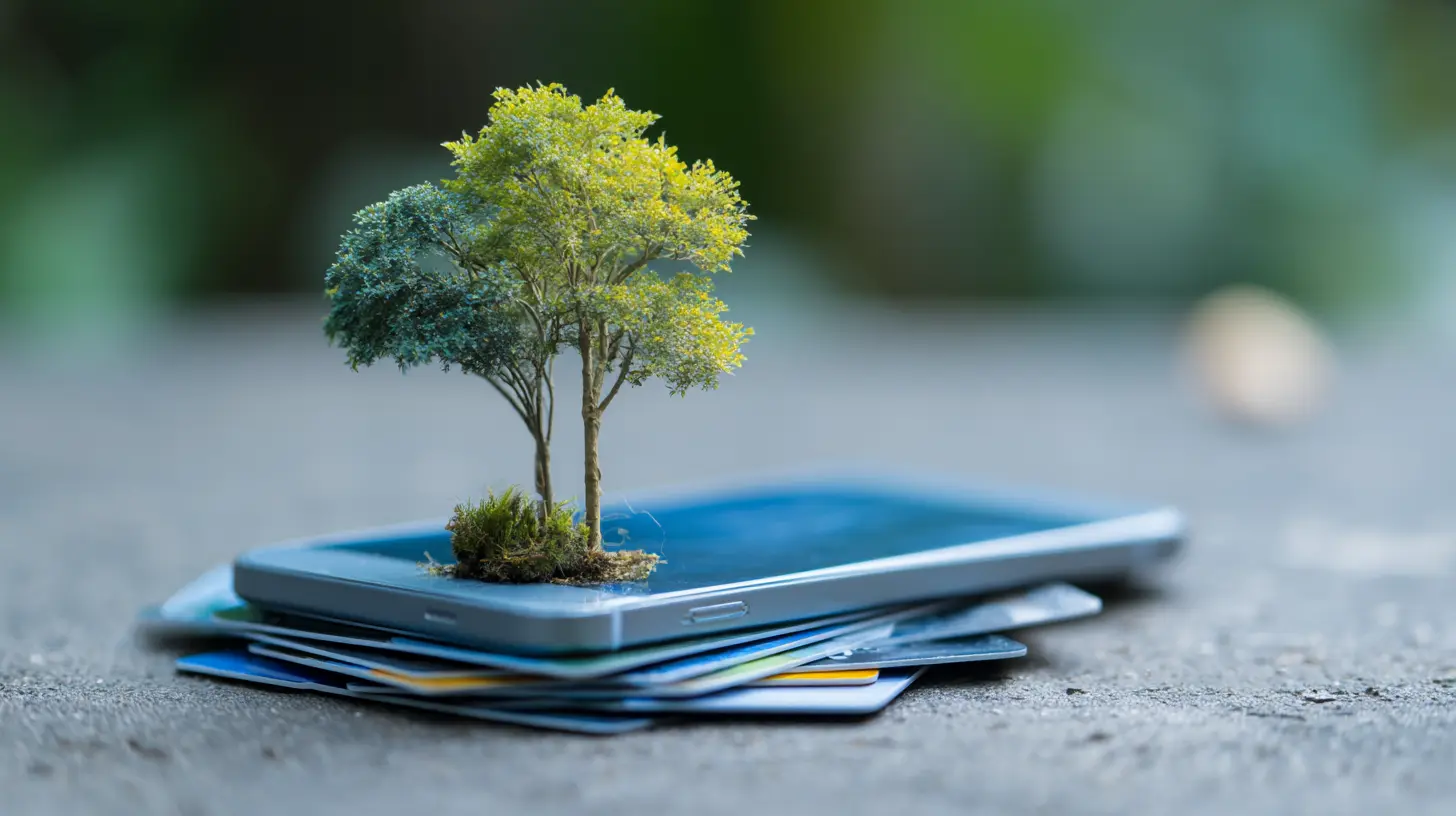
The largest environmental cost of digital wallets is not the transaction itself. It is the device. Smartphones require mining, manufacturing, shipping, and eventual disposal or recycling. The embodied carbon in a phone is significant, and it is incurred whether or not you use a digital wallet.This creates a subtle but important point. If you already own a smartphone, adding a digital wallet to it has a very low marginal environmental cost. The phone exists, the network exists, and the wallet is essentially software. But if digital wallets are used to justify more frequent phone upgrades, the environmental math changes quickly. A new phone every two years for wallet convenience would likely outweigh the paper savings.
The practical takeaway is to treat the phone as a long-lived tool. Keep it for as long as it works well, repair it when possible, and recycle it responsibly at the end of its life. The environmental benefit of digital wallets is strongest when the device is used for many years and many functions.
Data Storage and the Long Tail of Digital Records
Paper records have a finite lifespan. They degrade, get thrown away, or get recycled. Digital records can persist indefinitely, copied across backups, archived in cloud storage, and duplicated for compliance. That persistence has an energy cost, though it is often small per record.The bigger issue is sprawl. Organizations that digitize without a retention policy can accumulate vast amounts of redundant data. The environmental impact of that storage is modest compared to paper, but it is not zero, and it grows with time. Good digital hygiene, including deleting what is no longer needed and setting retention schedules, keeps the environmental case for digital stronger.

Comparing the Two Systems Honestly
A fair comparison requires looking at the full lifecycle of both options.| Factor | Paper system | Digital wallet system |
|---|---|---|
| Material use | High per transaction | Low per transaction, high per device |
| Energy use | Moderate, spread across production and logistics | Concentrated in data centers and networks |
| Waste | Paper, envelopes, chemical coatings | E-waste, hardware |
| Recycling | Mixed, often contaminated | Possible but complex for electronics |
| Scalability | Costs scale with volume | Marginal cost per transaction is low |
| Access | Works without electricity or internet | Requires connectivity and devices |
The table shows why the answer is not absolute. Paper systems have high material costs but low infrastructure costs. Digital systems have low material costs but depend on a complex infrastructure that must be built and maintained. The net environmental outcome depends on which costs dominate in a given context.
For most routine transactions in regions with relatively clean electricity and high smartphone penetration, digital wallets come out ahead. For communities with unreliable electricity or limited device access, paper and cash may remain the lower-impact option in practice. Acknowledging that does not weaken the case for digital. It makes the case more honest and more useful.
Real-World Examples and What They Show
Retail Receipts
Many large retailers now offer digital receipts through their apps or via email. The environmental benefit is clearest when the customer would otherwise take a printed receipt and immediately throw it away. In that scenario, the digital receipt avoids paper, ink, and waste handling with almost no downside.The benefit shrinks when the customer needs a receipt for a warranty or expense report. In those cases, the digital receipt must be stored, retrieved, and sometimes printed later. The net savings depend on how often that happens. For most people, digital receipts still come out ahead, but the margin is smaller than the headline suggests.
Banking and Bill Pay
Banks that move customers to paperless statements report lower printing and mailing costs, which is a business incentive as much as an environmental one. The environmental benefit is real, especially for customers who would otherwise receive multiple accounts and inserts each month.The catch is that paperless banking shifts the burden to the customer to manage digital records. Some people print statements at home, which can offset the savings. Others ignore them entirely, which reduces paper use but also reduces financial awareness. The best practice is to use digital statements, review them regularly, and store them in an organized digital folder rather than printing them.
Transit and Loyalty Cards
Transit systems and loyalty programs have moved toward digital passes and cards stored in wallets. This reduces the production of plastic cards, which are often made from PVC and are difficult to recycle. The environmental gain is meaningful because these cards are frequently replaced, lost, or discarded.The trade-off is that digital passes require a charged device and a working network. When those fail, riders can be stranded. Systems that keep a paper or card backup for accessibility reasons are not being wasteful. They are being resilient.
Common Mistakes and Misconceptions
"Digital Is Automatically Green"
This is the most common misconception. Digital systems have environmental costs, and those costs can be significant if the underlying electricity is generated from fossil fuels or if devices are replaced frequently. The green claim depends on context, not on the medium itself."Paper Is Always Worse"
Paper produced from responsibly managed forests and recycled through clean streams can have a relatively low impact. The problem is not paper as a material. It is the specific practices around coating, delivery, disposal, and contamination. A well-run paper system can outperform a poorly run digital one."One Behavior Change Is Enough"
Switching to digital receipts while still receiving paper statements, printing documents at home, and upgrading phones every year will not produce a meaningful net benefit. The environmental case for digital wallets works best when it is part of a broader pattern of reduced material use and longer device lifecycles."The Savings Are Immediate"
Environmental benefits from digital adoption often lag because the infrastructure already exists and the paper system does not disappear overnight. The transition period can involve running both systems in parallel, which temporarily increases total impact. Patience and persistence matter.Best Practices for Maximizing the Environmental Benefit
If you want your digital wallet use to translate into real environmental gains, consider these practices.1. Keep your devices longer. The single biggest lever is reducing the frequency of phone replacement. Aim for four to five years of use when possible, and repair rather than replace.
2. Consolidate your digital tools. Using one wallet and one banking app reduces redundant data storage and simplifies your digital footprint.
3. Decline unnecessary receipts. Even digital receipts have a small cost. Take them when you need them, skip them when you do not.
4. Go paperless on statements. This is one of the highest-impact switches because it eliminates mailing, envelopes, and inserts.
5. Delete what you do not need. Old receipts, expired statements, and duplicate records add up. Set a retention schedule and stick to it.
6. Recycle electronics properly. Do not let old phones sit in drawers. Use manufacturer or municipal e-waste programs.
7. Support clean energy. The environmental case for digital wallets is strongest when the electricity powering data centers and networks comes from low-carbon sources.
8. Keep a backup for resilience. A small amount of cash or a physical card is not an environmental failure. It is a practical safeguard for outages and emergencies.
What Businesses Should Consider
For organizations, the environmental case for digital wallets is intertwined with cost, compliance, and customer experience. A few principles help.First, digitize with a purpose. Replacing paper checks with digital payments reduces material use, but only if the digital process is actually adopted. If customers still print confirmations or request paper records, the savings shrink.
Second, set retention policies. Digital records can accumulate indefinitely. A clear schedule for what to keep, for how long, and why reduces storage costs and energy use.
Third, measure the right things. Tracking paper reduction is useful, but it is not the whole picture. Consider energy use, device lifecycle, and e-waste alongside paper metrics.
Fourth, design for access. Digital-first does not mean digital-only. Keeping options for people who need paper or cash protects both equity and resilience.
The Bottom Line
Digital wallets can reduce environmental impact, but they are not a free win. The paper savings are real, especially for receipts, statements, checks, and cards. The digital costs are also real, concentrated in data centers, networks, and the devices we carry. The net outcome depends on how clean the electricity is, how long devices last, and how well digital records are managed.The most useful way to think about it is this: digital wallets are a tool, not a virtue. Used well, they shrink material use and waste. Used carelessly, they shift the burden to energy and hardware. The difference is in the details, and those details are within your control.
all images in this post were generated using AI tools
Category:
Digital WalletsAuthor:

Yasmin McGee
Discussion
rate this article
1 comments
Layne Lambert
Digital wallets can significantly reduce paper usage and lower the carbon footprint associated with traditional banking methods. However, it's essential to consider the energy consumption of data centers and devices when evaluating their overall environmental impact.
September 20, 2026 at 4:48 AM