The Federal Reserve’s Influence on Consumer Interest Rates
12 December 2025
When we talk about money—borrowing it, saving it, or even just spending it—there's one power player behind the scenes pulling more strings than you might think: the Federal Reserve. Or as most people call it, the Fed.
Now, unless you're an economics junkie (no judgment if you are), the Fed might seem like some distant, mysterious entity with its fancy press conferences and cryptic financial jargon. But in truth? The Federal Reserve has a massive influence on the rates we pay to borrow money, the returns we get for saving, and even how expensive our grocery trip feels.
So, if you've ever wondered why your mortgage rate shot up or why your savings account is barely making a dent, sit tight. We’re diving into how the Fed shapes consumer interest rates—and how that trickles down to our daily lives.
What Is the Federal Reserve, Anyway?
Let’s start with the basics. The Federal Reserve, established in 1913, is the central bank of the United States. It's kind of like the brain of the U.S. financial system. It doesn't print money (that’s the Treasury’s job), but it does set the tone for how money flows through the economy.The Fed has a few main goals:
- Keep prices stable (so inflation doesn’t eat away your paycheck)
- Aim for full employment (helping the job market thrive)
- Keep interest rates at levels that support a healthy, growing economy
To do all this, the Fed relies on one of its most famous tools: tweaking the federal funds rate.
The Federal Funds Rate: The Domino That Starts It All
Okay, let’s break this down: The federal funds rate is the interest rate banks charge each other to borrow money overnight. Sounds simple, right? But here's where it gets interesting.When the Fed raises or lowers this rate, it creates a ripple effect. Like tossing a stone into a still pond—before long, the entire surface is moving. That ripple eventually hits everything from mortgage rates to credit card interest to the annual percentage yield (APY) on your savings account.
So Why Do Banks Borrow Money Overnight?
Great question! Banks are required to keep a certain amount of money in reserve. If one bank's reserves fall short, it can borrow from another bank to meet the requirement. That borrowed money comes with—you guessed it—interest, which is where the federal funds rate kicks in.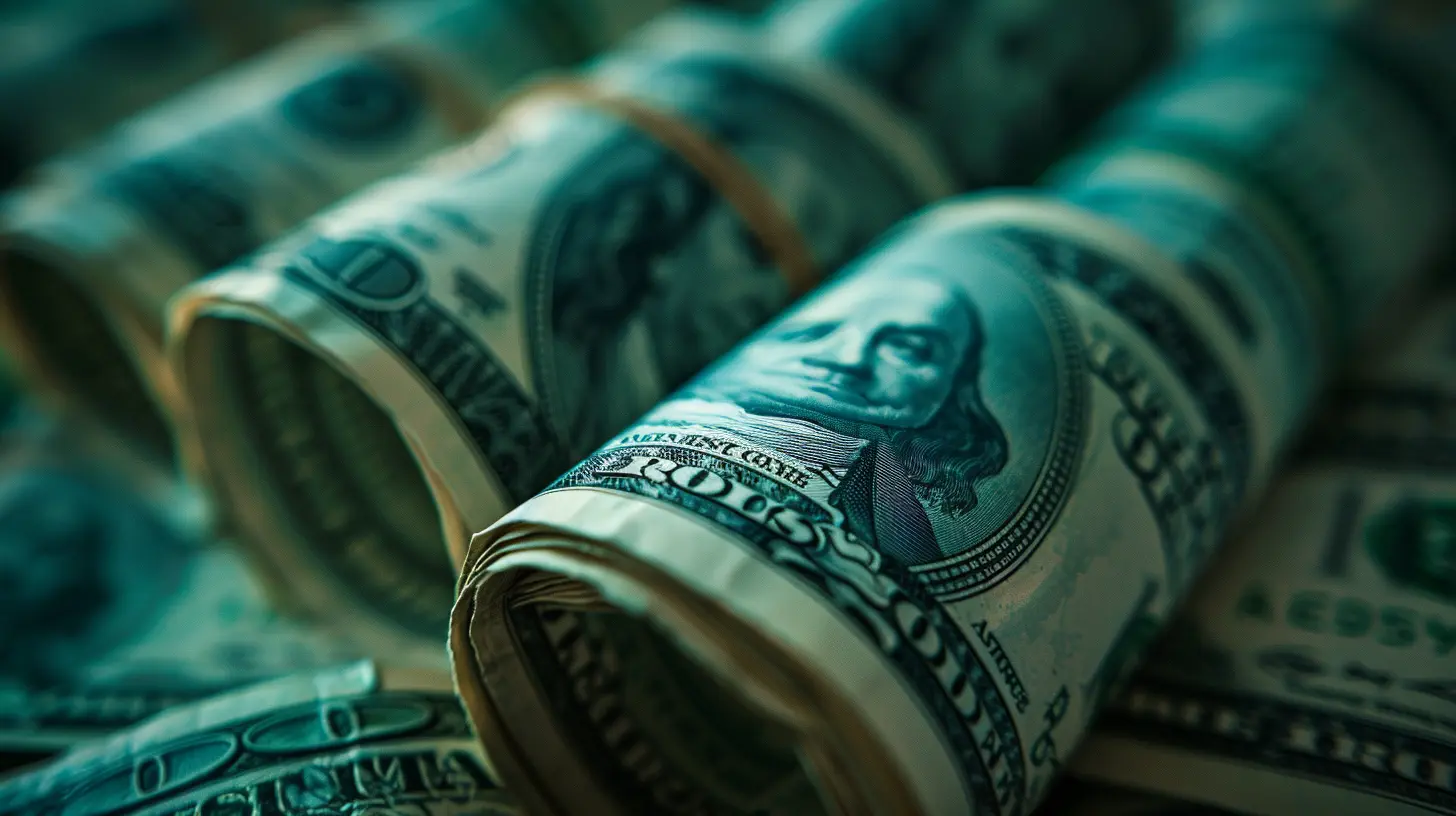
How the Fed Influences Consumer Interest Rates
Now that we’ve covered the main domino, let’s talk about how it topples the others and causes changes that actually affect your wallet.1. Mortgage Rates
If you've bought a home or refinanced a mortgage, you're familiar with how sensitive these loan rates are. While the Fed doesn’t directly set mortgage rates, the bond market (especially Treasury yields) and the federal funds rate directly influence them.When the Fed lowers rates, borrowing becomes cheaper. Suddenly, mortgage rates fall, demand for homes spikes, and—boom—you're in a seller’s market. On the flip side, when the Fed raises rates to cool down inflation, mortgage costs rise, and homebuyers might start pressing pause.
2. Credit Card Interest
Ever noticed your credit card’s APR creeping higher? That’s no coincidence. Most credit cards have variable rates tied to the prime rate, which, you guessed it, is influenced by the federal funds rate. So, when the Fed raises rates, expect your interest payments to go up too if you're carrying a balance.3. Auto Loans
Thinking of buying a new car? The interest rate on that loan will also swing based on what the Fed's doing. Higher rates make loans more expensive, which could mean stretching your budget or downgrading to a model with fewer bells and whistles.4. Student Loans
Federal student loans are typically fixed, meaning they don't change after you lock in the rate. However, private loans can vary with market conditions, and the rates are often tied to indexes affected by the Fed’s decisions.5. Savings and CDs
It’s not all bad news! When rates go up, banks usually offer better yields on savings accounts, CDs (certificates of deposit), and money market accounts. So, if you're a saver, higher rates could mean more bang for your buck—finally!
Why Does the Fed Change Interest Rates?
Let’s paint two very different pictures:Scenario A: The Economy Is Booming
People are spending, businesses are growing, unemployment is low—sounds great, right? Maybe too great. In a hot economy, inflation often starts to rise. That means your dollar doesn’t stretch as far. To combat this, the Fed may raise rates to make borrowing costlier and saving more attractive. It cools things off a bit.Scenario B: The Economy Is Chilly
People are holding back on spending, maybe there's high unemployment, and businesses are cautious. To give the economy a kick, the Fed lowers interest rates. This encourages borrowing, investing, and spending because money is cheaper to come by.It’s a balancing act. Raise rates too quickly and you could trigger a recession. Leave them too low for too long, and inflation might spiral out of control.
The Fed and Inflation: Best Frenemies
Let’s call inflation what it really is—your paycheck’s worst enemy. It slowly chips away at your purchasing power. So, if your salary doesn't go up as fast as prices rise, you're effectively getting poorer.The Fed’s go-to move when inflation is on a rampage? Hike those interest rates. That makes borrowing more expensive and slows down spending, which helps bring prices back under control.
But here’s the tricky part: Managing inflation without pushing the economy into recession is like walking a tightrope in a windstorm.
How the Fed Communicates Its Moves
Ever hear the term “Fed speak”? Financial nerds hang on every word released after Fed meetings because those statements hold clues about future rate hikes or cuts.The Fed doesn’t just change rates out of the blue. They meet regularly throughout the year, and before any policy change, they signal their intentions through statements, speeches, or press conferences. And believe it or not, even the tone of the chairperson’s voice can rattle markets. (Yes, really.)
What This Means for You (Yes, You Personally)
Let’s put this in real-world terms. Here’s how Fed decisions might show up in your life:- That 30-year mortgage you were thinking of? It just got more expensive.
- Your credit card interest rate is rising, making it harder to pay down debt.
- Your savings account finally has a more decent yield.
- That car loan might stretch your budget more than expected.
The point? Whether you're borrowing or saving, the Fed’s moves are shaping your financial life, often in ways you don’t immediately notice—until you do.
Tips to Stay Ahead of the Fed’s Moves
Now that you see how influential the Federal Reserve really is, here are a few pro tips to protect yourself (and even benefit) from these shifts:1. Lock in Fixed Rates When Possible
If rates are low, consider locking in a fixed mortgage or refinancing if it makes sense. The same goes for personal loans.2. Pay Off High-Interest Debt Quickly
Credit card interest can balloon fast in a rising rate environment. Focus on paying down those balances before rates climb further.3. Open a High-Yield Savings Account
When interest rates rise, some online banks offer better returns than traditional ones. Don’t let your cash sit idle.4. Stay Informed
Follow economic news (even casually). Understanding where inflation, employment, and GDP are headed can give you clues about the Fed’s next move.Final Thoughts
So, next time you hear someone talking about the Federal Reserve raising or cutting rates, don’t just tune out. That decision could influence your next big financial move—whether that's buying a home, taking out a loan, or beefing up your savings.In many ways, the Fed is like the maestro of an orchestra—you may not see them, but you can hear the impact in every note. The trick is knowing how to dance to the tune instead of getting caught off-beat.
Understanding the Fed’s influence doesn’t require a PhD in economics—just a bit of awareness and a good grip on your own financial goals. Because when it comes to your money, even small changes in interest rates can have a big effect on your bottom line.
all images in this post were generated using AI tools
Category:
Interest Rates ImpactAuthor:

Yasmin McGee
Discussion
rate this article
2 comments
Atlas Sullivan
Fed's whispers shape rates, guiding wallets' dance.
December 19, 2025 at 1:11 PM
Yasmin McGee
Thank you for summarizing the Fed's impact on rates so succinctly! Their decisions truly do orchestrate the financial landscape for consumers.
Finnegan James
This article provides a clear and concise overview of the Federal Reserve's role in shaping consumer interest rates. Understanding these dynamics is crucial for making informed financial decisions. Great insights!
December 12, 2025 at 2:07 PM
Yasmin McGee
Thank you for your thoughtful feedback! I'm glad you found the article helpful in understanding the Federal Reserve's impact on consumer interest rates.