The Impact of Rising Interest Rates on Consumer Credit Availability
5 July 2026
Let’s face it—interest rates aren’t the most exciting topic. But you know what? If you’ve got a credit card, a mortgage, or you’re thinking about taking out a loan, rising interest rates are kind of a big deal. They can slice into your budget, limit how much you can borrow, and mess with your long-term financial plans. So yeah, it's worth understanding what’s really going on.
Now, you're probably wondering: Why do interest rates rise in the first place? And how does that affect my ability to borrow money? Great questions. Grab a cup of coffee or your favorite beverage—this is your go-to guide on how rising interest rates impact consumer credit availability, written in plain, human language.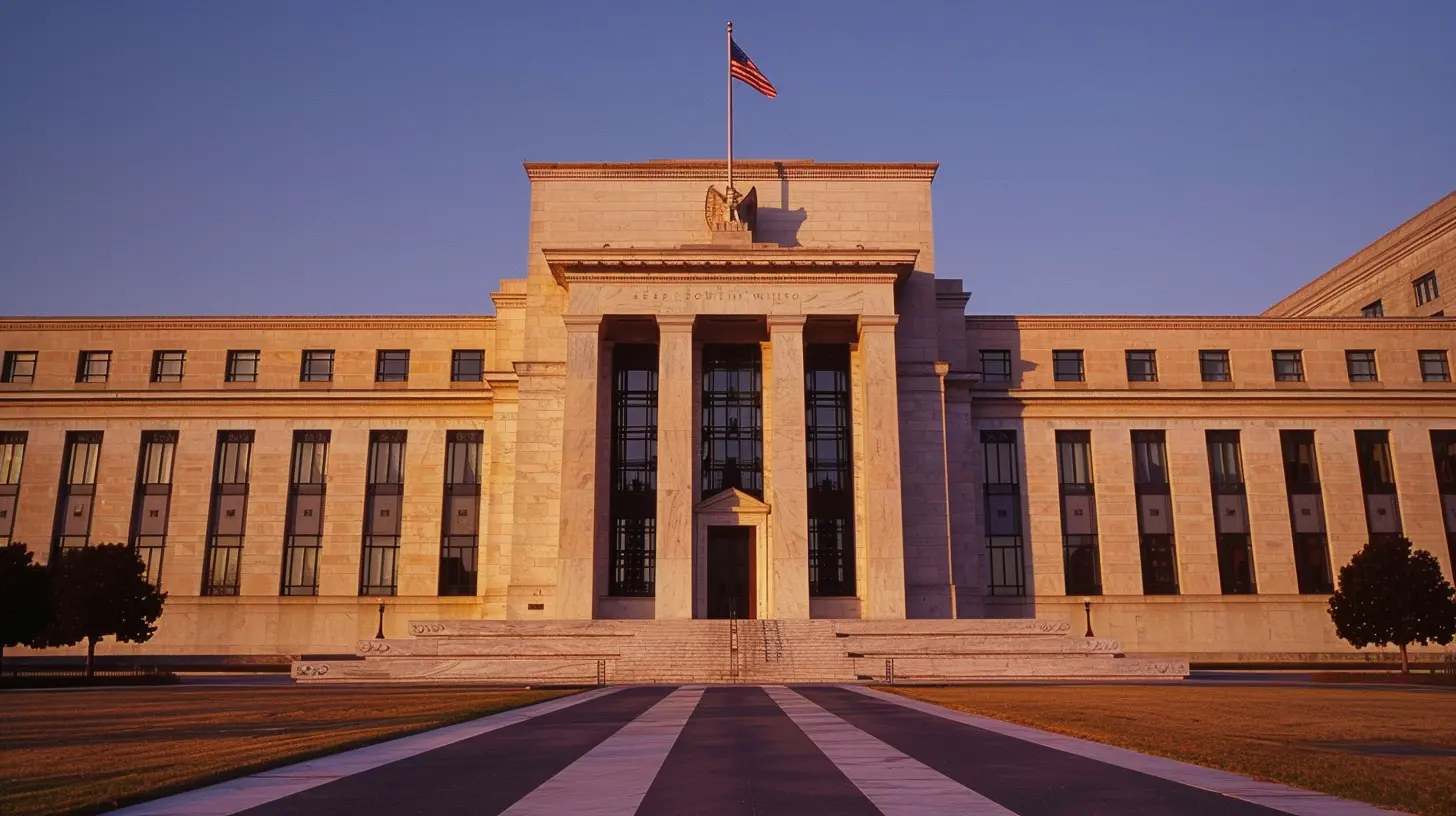
What Are Interest Rates, Really?
Interest rates are basically the price of borrowing money. Think of it like a rental fee for using someone else’s cash (usually a bank’s). When you take out a loan or swipe your credit card and carry a balance, you're paying the lender interest—kind of like rent for money.Now when we talk about rising interest rates, we often mean the Federal Reserve (aka "The Fed") has increased what's called the federal funds rate. This is the rate at which banks lend money to each other overnight. Sounds far removed from your wallet, right? But here’s the kicker: when that rate goes up, banks pass the cost on to you—the borrower.
Why Are Interest Rates Going Up Lately?
It usually boils down to one word: Inflation.When inflation kicks in and prices soar, the Fed steps in to cool off the economy. One of their go-to tools is raising interest rates. The idea is to make borrowing more expensive, encouraging people and businesses to spend less. Less spending equals less demand, and in theory, that helps slow down inflation.
But while that might work in the big economic picture, for everyday folks like us, it can feel like a double whammy—prices are already high, and now borrowing costs more too.
Higher Interest Rates = Less Credit for You
Rising interest rates tend to tighten credit availability. But why?Let’s break it down:
- Lenders Get More Cautious: When rates rise, the cost of defaults grows. Lenders don't want to take chances on borrowers who might not pay them back, so they become pickier.
- Your Debt-to-Income Ratio Looks Worse: If you’re already juggling debts, higher interest payments might make your monthly budget look tighter. Lenders might see that as risky and deny your loan or offer you less credit.
- Loans Get Pricier: This one's a no-brainer. Everything from mortgages to auto loans to student loans can cost you a lot more in interest over time. That added cost discourages people from borrowing as much as they otherwise might.
So yeah, higher interest means fewer borrowers qualify and those who do usually get smaller loans or higher rates. Kind of a lose-lose.
Types of Credit Most Affected by Rising Rates
Okay, not all credit is affected equally. Some types feel the pinch more than others. Here’s a breakdown:1. Credit Cards
If you carry a balance, rising interest rates are your worst nightmare. Most credit cards have variable rates, which means when the Fed raises rates, your APR increases too. So, your debt snowballs faster. Ouch.2. Mortgages
Fixed-rate mortgages won’t change unless you refinance. But if you’re applying for a new loan or you have an adjustable-rate mortgage (ARM), rising rates can hit you hard. Higher rates mean bigger monthly payments, which can reduce your home-buying power big time.3. Auto Loans
Car loans usually come with fixed interest, but they’re often short-term. When rates rise, monthly payments increase, making it harder for people to afford even modest cars. That shiny new ride might have to wait.4. Personal Loans
Personal loans often come with fixed rates, but they’re still influenced heavily by what’s going on in the credit market. Higher interest rates make them a less appealing option for financing big expenses.5. Student Loans
Federal student loan interest rates are set annually and depend on the market. Private loans? They fluctuate. So, if you or your kid is heading off to college soon, keep an eye on those rates.The Ripple Effect on Consumer Behavior
Ever heard the saying, “When it rains, it pours”? Rising interest rates don’t just make credit more expensive—they create a ripple effect that changes how people live, spend, and save.- Cautious Spending: When it costs more to borrow, people start trimming expenses. That could mean fewer vacations, delayed home upgrades, or skipping that extra latte.
- Lower Credit Usage: With higher costs, consumers may choose to use less credit altogether, or pay down existing debts faster to avoid accumulating interest.
- Fewer Big Purchases: High interest rates can make that new car or dream home unaffordable, leading people to delay major life decisions.
- More Focus on Saving: On the flip side, savings accounts, CDs, and other deposits may earn more interest now, motivating folks to sock away a little more cash.
Credit Scores Matter More Than Ever
When credit tightens, your credit score becomes your best friend—or your worst enemy.Lenders are way more selective during high-rate periods. A few points can be the difference between getting approved or rejected. So while you might not control the economy, you can control your credit habits.
Tips to Boost Your Score:
1. Pay On Time – Always, always pay at least the minimum. On-time payments make up the biggest chunk of your credit score.2. Keep Utilization Low – Don’t max out those cards. Try to use less than 30% of your available credit.
3. Avoid New Credit Applications – Each inquiry slightly dents your score. Be strategic.
4. Don’t Close Old Accounts – The longer your credit history, the better.
5. Check for Errors – You’d be surprised how many reports have mistakes. Review yours annually.
Can Rising Rates Be a Good Thing?
Believe it or not, there’s a silver lining.Sure, borrowing gets tougher, but higher rates usually mean the economy is being rebalanced. Overheated markets cool down, inflation gets tamed (eventually), and savers start earning better returns.
It’s kind of like getting a flu shot—it stings a little now, but it helps you stay healthier in the long haul. If you plan right and manage your credit wisely, you can weather the rate hike storm just fine.
What You Can Do Right Now
Feeling the pressure? Here are a few practical steps you can take today to guard your finances against rising rates:Refinance Sooner Rather Than Later
If you're sitting on a high-interest loan and rates are still climbing, now might be your last good chance to refinance at a more affordable rate.Lock in Fixed Rates
Avoid variable rate loans if you can. Fixed rates bring stability—you’ll know exactly what you’re paying each month.Build an Emergency Fund
Nothing beats having a safety net. More savings mean less reliance on credit.Focus on Paying Down High-Interest Debt
Start with credit cards or personal loans first. They usually carry the highest rates, so knocking them out gives you the biggest financial bang for your buck.Stay Informed, Not Scared
Interest rates go up, and they come back down. It's a cycle. Staying educated and financially disciplined puts you in the driver’s seat—no matter where the market is heading.Final Thoughts
So, what’s the big takeaway? Rising interest rates might feel like a financial roadblock, but they also open up opportunities to get smarter with your money. Think of it as a wake-up call to tighten your financial habits, boost your credit score, and take charge of your borrowing decisions.Yes, it’s a bit of a grind. But you're not alone in this. Millions are adapting just like you. And the good thing is, with the right game plan, you’re not just surviving—you’re thriving.
So let those interest rates rise. You've got this.
all images in this post were generated using AI tools
Category:
Interest Rates ImpactAuthor:

Yasmin McGee
Discussion
rate this article
1 comments
Mary Vaughn
This article offers valuable insights on how rising interest rates affect consumer credit. It's crucial for borrowers to stay informed and adjust their strategies accordingly.
July 12, 2026 at 5:05 AM
Yasmin McGee
Thanks for your comment! Staying informed is key for borrowers in this changing landscape.