The Role of Sentiment Analysis in Managing Investment Risk
14 July 2026
Ever felt like the stock market is more emotional than logical? One day it’s euphoric, the next day it’s in full-blown panic mode. If you’ve ever been caught in the chaos of market sentiment, you’re not alone. That’s exactly why sentiment analysis is fast becoming one of the hottest tools in the modern investor’s arsenal.
Let’s cut through the noise and get real. Investing isn’t just about numbers anymore. Sure, fundamentals and technical charts are cool, but if you’re only looking at spreadsheets while ignoring the emotional pulse of the market, you’re missing half the story.
In this article, we’ll break down how sentiment analysis plays a critical role in managing investment risk, how it works, why it matters, and how you can use it to protect—and potentially grow—your investments.
What the Heck is Sentiment Analysis?
Let’s start with the basics.Sentiment analysis, sometimes called opinion mining, refers to the process of using natural language processing (NLP), machine learning, and data analytics to determine the emotion or opinion behind words—usually from text data.
Whether it's a tweet, a blog post, a Reddit thread (yes, even WallStreetBets), or a CEO's earnings call, sentiment analysis gauges whether the chatter is positive, negative, or neutral.
So why should investors care? Because emotion moves markets. Buying frenzies and panic selling are often driven more by how people feel than cold-hard facts. If you can tap into that emotional current before everyone else, you gain a powerful edge.
The Emotional Rollercoaster of the Market
Ever noticed how stocks sometimes sink after great earnings reports? Or how they soar on vague promises?That’s not logic—it’s sentiment.
Let’s put it this way: the market is like a drama queen. It overreacts, gets moody, and overcorrects when it realizes it messed up. If you understand its moods, you can ride the wave instead of getting crushed by it.
The trick is figuring out what the crowd is feeling—fast. That’s where sentiment analysis steps in.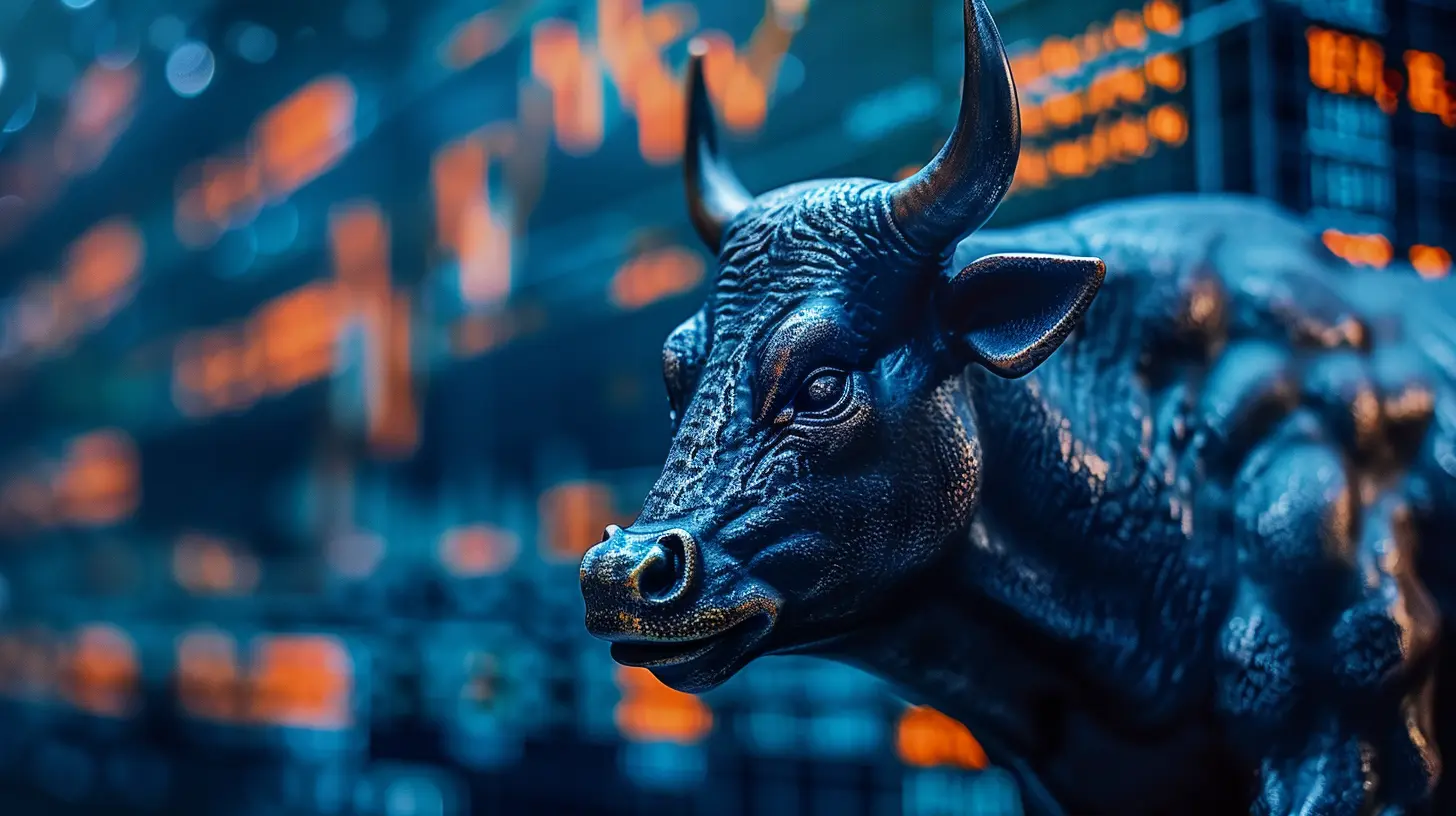
From Tweets to Trades: How Sentiment Analysis Works
You know how everyone’s tweeting about Elon Musk 24/7? Well, imagine an algorithm scanning those tweets, analyzing the tone, and layering that data against Tesla's stock movements.Boom—you're now looking at sentiment data.
Here's a simplified breakdown of how it works:
1. Data Collection – Pulling raw data from sources like Twitter, forums, news articles, blogs, analyst reports, and earnings calls.
2. Text Processing – Cleaning and structuring the data (because the internet can be messy, let’s be honest).
3. Sentiment Scoring – Assigning positive, negative, or neutral values using NLP and machine learning models.
4. Trend Analysis – Mapping sentiment trends against stock prices or market events.
5. Decision Making – Investors or automated systems use this info to guide their moves—buy, sell, or hold.
The point? It’s not about replacing human intuition. It’s about enhancing it—with smart, real-time emotional intelligence.
The Big Impact: Reducing Investment Risk
Alright, here's the meat and potatoes. How exactly does sentiment analysis help reduce investment risk?Let’s be blunt: markets are shaped by perception. And perception can shift fast. By keeping a pulse on those shifts, investors can:
1. Spot Early Warning Signs
Imagine you’re holding stock in a big bank. The earnings report just hit, and on paper, everything looks fine. But suddenly, sentiment drops like a rock in financial news headlines and social media.Wouldn’t you want to know why—before the stock tanks?
Sentiment analysis can flag this kind of red-alert reaction even before the price reflects it.
2. Avoid Emotional Investing
Let’s face it: even the best of us get emotional. Fear and greed are baked into our biology.Sentiment tools help counteract this. With objective sentiment scores, you can spot when the herd is panicking or getting irrationally hopeful, and position yourself accordingly.
3. Time Market Entry and Exit
Sentiment data can indicate when the crowd is peaking in optimism or despair—prime moments to do the opposite.Remember the classic Warren Buffett line? “Be fearful when others are greedy and greedy when others are fearful.” Yeah, that’s sentiment timing in action.
4. Balance Your Portfolio Smarter
By scanning sentiment across market sectors or geographies, you can diversify risk more strategically. For example, if tech is under fire sentiment-wise, it might make sense to lean into sectors with stronger emotional backing.Real-Life Examples: Sentiment in Action
Not convinced yet? Let’s look at how this plays out in the real world.GameStop and Reddit’s Wild Ride
In early 2021, amateur traders fueled by Reddit’s r/WallStreetBets pushed GameStop’s stock through the roof. Traditional analysis didn’t see it coming—but sentiment analysis did.Why? Because the buzz started building fast across forums and Twitter. If you had a sentiment tool flagging this spike in conversation and positive emotion, you could have caught the wave early.
COVID-19 Market Crash
In March 2020, markets crashed not solely because of data—but because of fear.Sentiment analysis tools picked up increasing levels of panic in global news sources and social media before the full crash took shape. Investors who acted on sentiment warnings were able to reduce exposure and hedge risk.
Tools That Bring Sentiment to Life
Wondering where to start? There are plenty of platforms out there that offer real-time sentiment data.- Bloomberg Terminal – Yes, the premium choice. Offers in-depth sentiment analytics.
- Thomson Reuters MarketPsych Indices – Tracks global sentiment metrics.
- Sentdex – Offers Python libraries for DIY developers.
- StockTwits and Twitter APIs – Great for custom sentiment scraping.
- Alternative Data Providers – Think RavenPack, Accern, and AlphaSense.
Pro tip: combine sentiment analysis with technical indicators for a full-spectrum strategy.
Limitations: It Ain’t a Crystal Ball
Now, let’s keep it real. Sentiment analysis isn’t magic. Some challenges to watch for include:- Noise in the data – Not every tweet matters. The signal-to-noise ratio can get messy.
- Sarcasm and slang – Algorithms still struggle with nuance (especially WallStreetBets-style sarcasm).
- Manipulation risks – Social media can be gamed, especially with bots.
So yeah, it’s a powerful tool—but not one you should use blindly. Think of it like having night-vision goggles in the dark. Super useful, but not perfect.
Sentiment + Strategy: The Winning Combo
Wanna know the real power move? Don’t just look at sentiment—integrate it into your strategy.Here’s how smart investors are doing it:
- Hedge funds use sentiment in algorithmic models to determine swing trades.
- Retail investors use sentiment dashboards before making trades.
- Wealth managers use it as a risk filter before putting clients into equities.
The key is context. When sentiment aligns with solid fundamentals, you’ve got a stronger case. When they diverge? That’s often where opportunity lies.
The Future of Sentiment in Investing
Tech keeps evolving, and so does sentiment analysis.We’re moving into an era where AI-driven emotional intelligence is part of every trading desk. With real-time voice tone analysis, image sentiment, and even video comment reaction tracking (yep, that’s a thing), the depth of emotional insight is growing fast.
Soon enough, we might be able to map mass investor psychology with insane accuracy—predicting bubbles and crashes before they even take shape.
Scary? A little. Exciting? Absolutely.
Final Thoughts: Master the Mood, Master the Market
At the end of the day, the market is part machine, part mood swing. If you’re only looking at charts and ignoring how people feel, you’re flying blind.Sentiment analysis is your radar. It gives you a sixth sense—a way to “read the room” of the financial world before you make your move.
So ask yourself: are you trading on facts alone? Or are you tuned into the emotional undercurrent that could make or break your investment strategy?
If you want to stay ahead of the game and truly manage risk like a pro, it’s time to start listening—not just to the numbers, but to the noise.
all images in this post were generated using AI tools
Category:
Investment RisksAuthor:

Yasmin McGee
Discussion
rate this article
1 comments
Greta McMurtry
Insightful take on risk.
July 24, 2026 at 3:11 AM
Yasmin McGee
Thank you for your kind words! I'm glad you found it insightful.