What You Need to Know About Government-Backed Mortgages
8 April 2026
So, you're thinking about buying a home. Maybe you’re a first-time buyer, a veteran, or just someone looking for a little help getting your foot in the door. Whatever your situation, you might’ve heard the term “government-backed mortgage” tossed around. Sounds kind of official, right?
But what does it actually mean? And more importantly, is it the right fit for you?
In this article, we're breaking down everything you need to know about government-backed mortgages. We'll cut through the jargon, lay out the pros and cons, and help you feel more confident about your next move. Ready? Let’s dive in.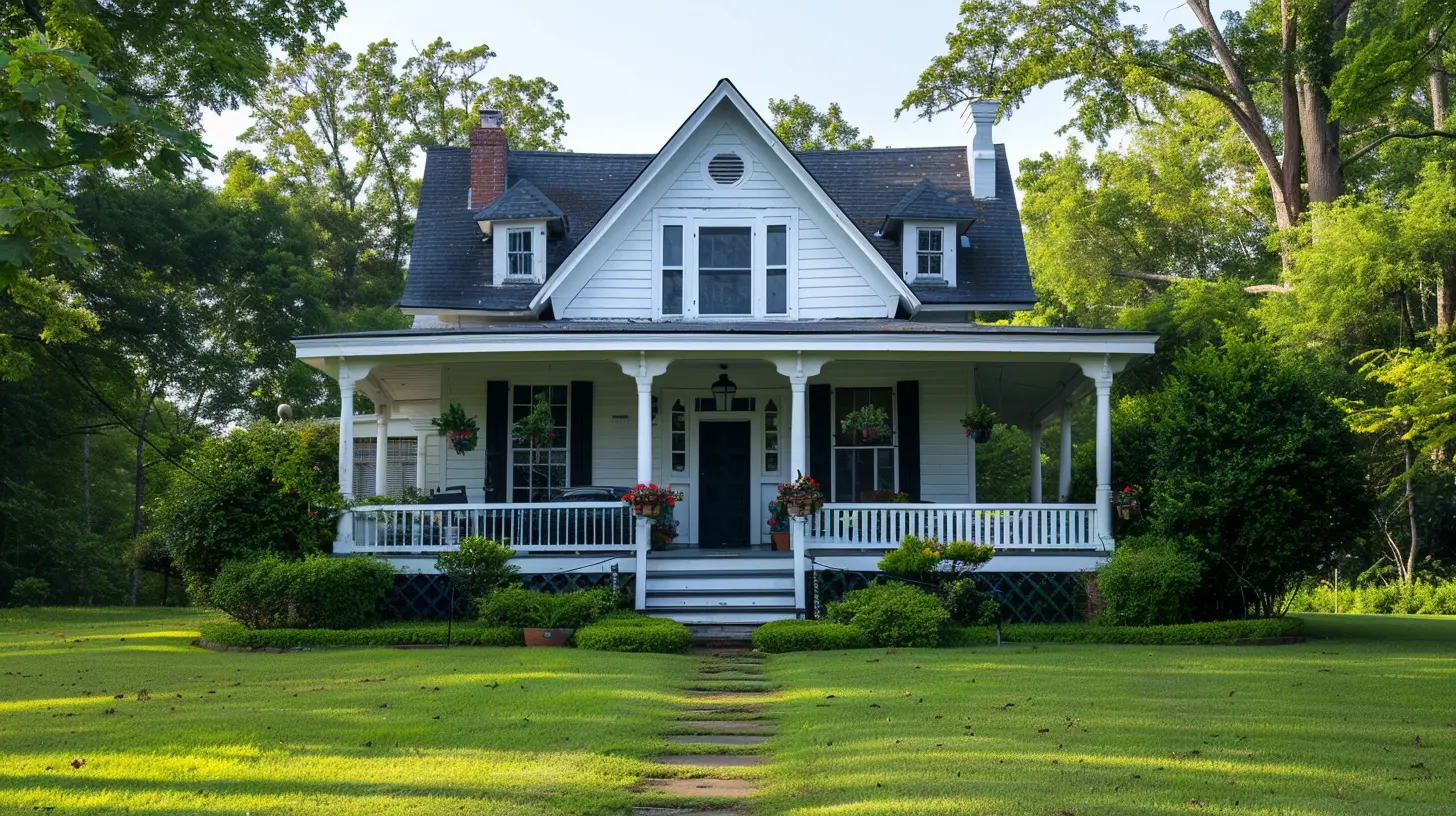
What Is a Government-Backed Mortgage?
Let’s not overcomplicate things. A government-backed mortgage is exactly what it sounds like: a home loan that’s insured or guaranteed by a federal government agency. This backing provides a safety net to lenders, which in turn helps borrowers—especially those who might not qualify for a conventional loan.Think of it like having a co-signer with serious clout. The government steps in and says, “Hey, if this borrower can’t pay back the loan, we’ve got it covered.” That promise makes lenders more willing to approve loans for people who might otherwise be considered “risky.”
Why Do Government-Backed Mortgages Even Exist?
Good question. At their core, these loans are all about accessibility and affordability. Not everyone has a 20% down payment burning a hole in their pocket. And good credit? That’s not always easy to build, especially if you've faced financial hiccups.The government didn't just cook up these mortgage programs for fun. They’re designed to help specific groups of people—like first-time buyers, veterans, rural residents, and those with lower incomes—achieve homeownership.
Honestly, it’s one of the ways the government levels the playing field in the housing market.
The Big Three: Types of Government-Backed Mortgages
When folks talk about government-backed mortgages, they’re usually referring to three main types: FHA, VA, and USDA loans. Each one is backed by a different government agency and has its own rules, perks, and quirks.Let’s break them down one-by-one.
1. FHA Loans (Federal Housing Administration)
FHA loans are the most popular government-backed mortgage, especially for first-time buyers. Why? Because they’re super forgiving when it comes to credit scores and down payments.Key Features:
- Minimum credit score starts around 580- Down payments as low as 3.5%
- Open to all types of borrowers—not just first-timers
- More lenient debt-to-income ratios
But there’s a catch. FHA loans come with something called mortgage insurance premiums (MIP). You’ll pay this upfront and annually, and it helps protect the lender (not you). It’s kind of like renting a helmet when you buy a motorcycle—safety for them, not comfort for you.
Still, for many, the trade-off is worth it.
2. VA Loans (Department of Veterans Affairs)
If you’re a current or former member of the U.S. military, first of all—thank you. Second, you might be eligible for a VA loan, which is hands down one of the best mortgage options out there.Key Features:
- No down payment required (yes, zero!)- No private mortgage insurance (PMI)
- Competitive interest rates
- Flexible credit guidelines
VA loans are like the VIP pass of home loans. But—and this is important—they're only available to eligible veterans, active-duty service members, and some surviving spouses.
There’s a funding fee you’ll need to pay (or roll into the loan), but it’s a small price to pay for what might be the easiest route to homeownership out there.
3. USDA Loans (U.S. Department of Agriculture)
You don’t have to be a farmer to qualify for a USDA loan. These are meant to encourage homeownership in rural and suburban areas—and they come with some serious perks.Key Features:
- No down payment required- Lower interest rates
- Reduced mortgage insurance costs
- Income limits based on the area
The biggest catch? Location and income restrictions. You’ll need to buy a home in a USDA-eligible area (which isn’t always farmland!) and meet income limits.
But if you qualify, the savings can be huge.
So... How Do Government-Backed Mortgages Stack Up?
Let’s throw it all on the table.| Feature | FHA Loan | VA Loan | USDA Loan |
|--------------------------|------------------------|------------------|------------------------|
| Down Payment | As low as 3.5% | 0% | 0% |
| Credit Score Minimum | Around 580 | No strict limit | Around 640 |
| Mortgage Insurance | Required (MIP) | None | Reduced PMI |
| Income Restrictions | No | No | Yes |
| Property Restrictions | Primary residence only | Primary only | Rural areas only |
Now you’re probably wondering—a zero-down mortgage? Sounds too good to be true. And yeah, these loans are generous, but they aren't free money. They come with criteria and responsibilities that you’ve got to be ready for.
Who Should Consider a Government-Backed Mortgage?
Let’s keep it real. These loans aren’t for everyone. But if you fall into one of the following categories, they might be your golden ticket:- First-time homebuyers with limited savings
- Military members or veterans eligible for VA benefits
- Low- to moderate-income families
- Borrowers with less-than-perfect credit
- Those buying in rural or suburban areas
Still unsure if you qualify? Don’t stress. A mortgage lender who offers these programs can walk you through it step-by-step.
Pros of Government-Backed Mortgages
Let’s talk benefits—because there are plenty.✅ Easier to Qualify
Lower credit score requirements and smaller down payments make these loans super accessible.✅ Lower Upfront Costs
You don't need a mountain of cash to get started. Some loans even offer 100% financing.✅ Competitive Interest Rates
With the government backing your loan, lenders often offer better rates than they would otherwise.✅ Path to Homeownership
These loans make the dream of owning a home realistic for millions who might otherwise be locked out.Cons to Watch Out For
But hey, nothing’s perfect. Let’s look at the flip side.❌ Fees and Mortgage Insurance
FHA and USDA loans come with ongoing mortgage insurance costs, which can add up over time.❌ Property Restrictions
You can’t use these loans to buy a vacation home or investment property—they’re for primary residences only.❌ Income and Area Limits
Especially with USDA loans, your income and the home's location can be a deciding factor.How Do You Apply for a Government-Backed Loan?
Here’s where the rubber meets the road.1. Check your eligibility: Each program has its own rules, so start there.
2. Find a lender: Not all lenders offer every loan type. Look for one experienced in the program you want.
3. Get preapproved: This gives you a clear budget and shows sellers you’re serious.
4. Gather your docs: Think W-2s, tax returns, bank statements—anything that proves you’re a solid borrower.
5. Choose a home: Make sure it meets the program’s property guidelines.
6. Close the loan: Sign the dotted line, get your keys, and do a happy dance.
Final Thoughts: Are Government-Backed Mortgages Worth It?
Here’s the deal. Government-backed mortgages aren’t just for people who can’t qualify for anything else—they’re powerful financial tools designed to help you succeed in homeownership.They lower the barriers, reduce the burden, and offer a more forgiving path to getting your keys. If you’re worried about credit, struggling with a down payment, or just want to explore every option, these loans deserve a serious look.
As always, talk to a knowledgeable lender and run the numbers. But don’t count yourself out before exploring this route. The support’s there—you just have to raise your hand.
Frequently Asked Questions (FAQs)
Can I refinance a government-backed mortgage?
Absolutely. Many FHA, VA, and USDA loans offer streamlined refinancing options that can lower your rate or payment with less paperwork.Can I use these loans for a condo or manufactured home?
Yes, but the property must meet the program’s specific guidelines and be approved by the agency.What if my credit score is below the minimum?
Some lenders offer exceptions, especially if you have strong income or a low debt-to-income ratio. It’s always worth asking.Do I have to be a first-time buyer?
Nope. FHA, VA, and USDA loans are not restricted to first-time buyers. Just meet the eligibility criteria.all images in this post were generated using AI tools
Category:
Mortgage TipsAuthor:

Yasmin McGee
Discussion
rate this article
2 comments
Haze Kline
Government-backed mortgages offer a unique pathway to homeownership for many. Understanding their benefits can empower you to make informed decisions. Embrace this opportunity, do your research, and take the first step towards achieving your dream of owning a home. You've got this!
July 7, 2026 at 3:22 AM
Yasmin McGee
Thanks for your insights! Understanding these benefits really can make a difference in the homebuying journey.
Ramona McCullough
Government-backed mortgages: because who wouldn’t want Uncle Sam as their co-signer? Just remember, even he has rules—so read the fine print before you start dreaming of that white picket fence!
April 8, 2026 at 11:38 AM
Yasmin McGee
Great point! While government-backed mortgages can be helpful, it's crucial to understand the terms. Reading the fine print can save you from surprises down the road.