Why Behavioral Biometrics Could Be the Future of Fraud Detection
17 August 2026
The password is dying. Not because it is weak, although it often is. Not because people hate typing them, although they do. The password is dying because it asks the wrong question. It asks "What do you know?" when the real question should be "Who are you?" And increasingly, the answer to that second question is not a string of characters but a pattern of behavior.
Behavioral biometrics is the study of how people interact with their devices. It is the way you hold your phone, the rhythm of your typing, the way you swipe, the angle at which you tilt your screen, the pressure of your thumb. These are not things you choose. They are things you do. And because they are involuntary, they are incredibly hard to fake.
For years, fraud detection has relied on what you know, what you have, and who you are in the physical sense. Passwords, tokens, fingerprints, facial scans. These are all static. They are either correct or incorrect at a single moment in time. Behavioral biometrics is different. It is continuous. It is dynamic. It is always watching, always measuring, and always comparing. And that is why it might be the most promising tool we have against a fraud landscape that is becoming more sophisticated, more automated, and more personal.
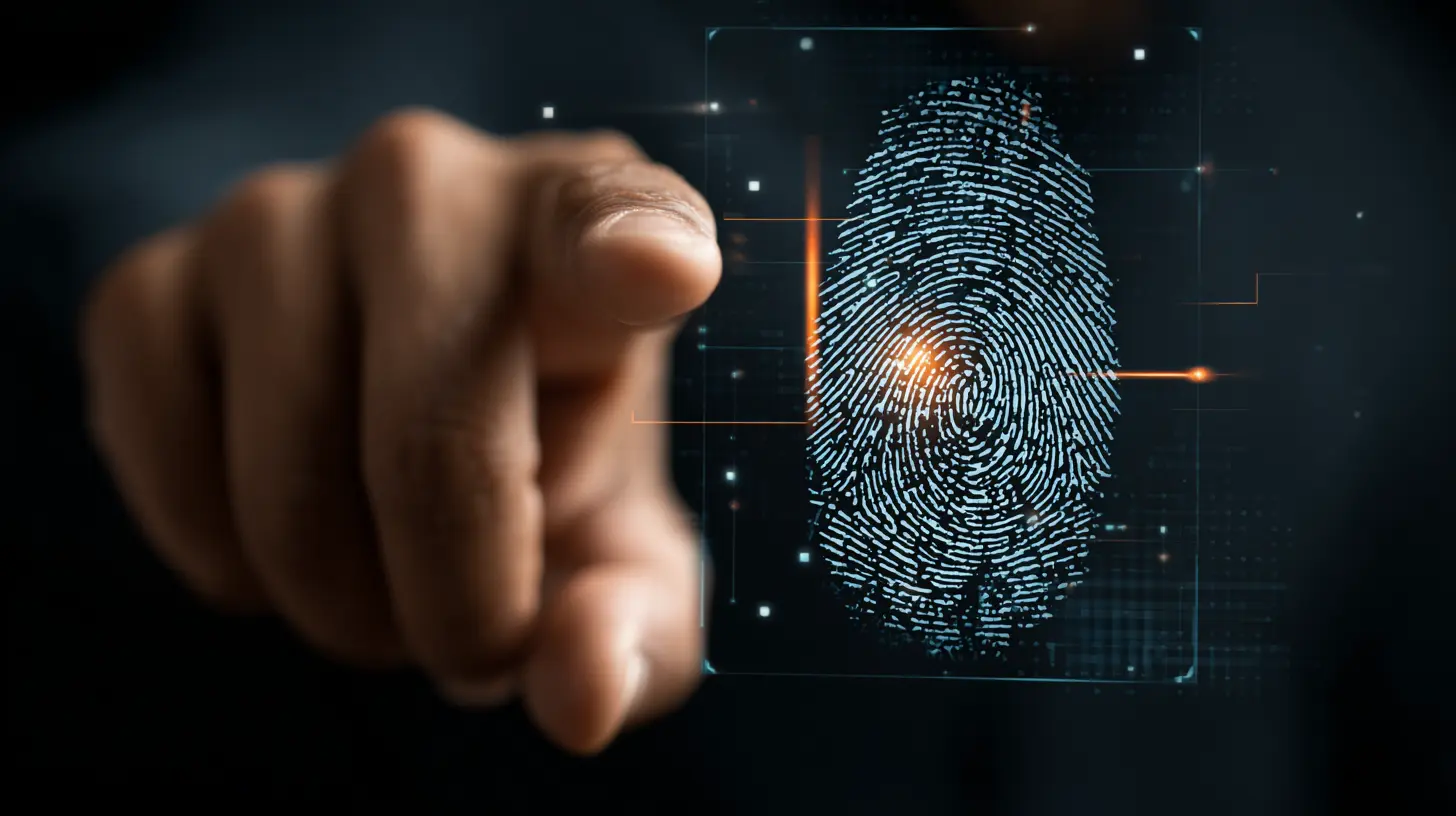
The Fundamental Problem with Static Authentication
Let us start with a simple truth. Static authentication is a point-in-time check. You log in, you prove you are you, and then the system assumes you are still you for the rest of the session. That assumption is dangerous.Consider a typical banking session. You log in with your username and password. You pass a two-factor authentication challenge. You are in. But what happens if a fraudster has already stolen your session cookie? Or what if they have installed a remote access trojan on your device? From the system's perspective, you are still you. The session is valid. The fraudster can transfer funds, change account details, or open new credit lines without ever triggering an alert.
Behavioral biometrics closes that gap because it does not stop checking. It monitors every interaction. If the person typing your password types it faster than you ever have, if their mouse movements are erratic and jerky, if they scroll through your account statements at a speed that no human could read, the system flags it. Not because the credentials are wrong, but because the behavior is wrong.
This is a fundamental shift in mindset. Instead of asking "Is this the right person?" it asks "Is this the right behavior?" And behavior is much harder to steal than a password.

How Behavioral Biometrics Actually Works
The technical details matter here because they explain why this approach is so powerful. Behavioral biometrics is not a single measurement. It is a composite of dozens, sometimes hundreds, of micro-signals.When you type, the system measures the time between key presses. It measures how long you hold down each key. It measures the rhythm of your typing, not just the speed. It measures whether you use both hands or one hand, whether you tend to pause at certain characters, whether you correct mistakes with backspace or by highlighting and deleting.
When you use a mouse or a touchscreen, it measures the acceleration of your cursor, the curvature of your swipe, the amount of pressure you apply, the tiny tremors in your hand. It measures the angle at which you hold your phone, the way you rotate it, the distance between your face and the screen.
These signals are combined into a behavioral profile. That profile is unique to you, much like a fingerprint. But unlike a fingerprint, it changes over time. It changes when you are tired, when you are stressed, when you are drunk, when you are typing on a laptop instead of a phone. The system does not expect a perfect match. It expects a range of normal variation. And it flags deviations that fall outside that range.
The key insight is that this is not a one-time enrollment. It is a continuous learning process. The system builds a model of you over time. It updates that model as your behavior evolves. This means it can adapt to legitimate changes in your behavior while still catching anomalies that suggest fraud.
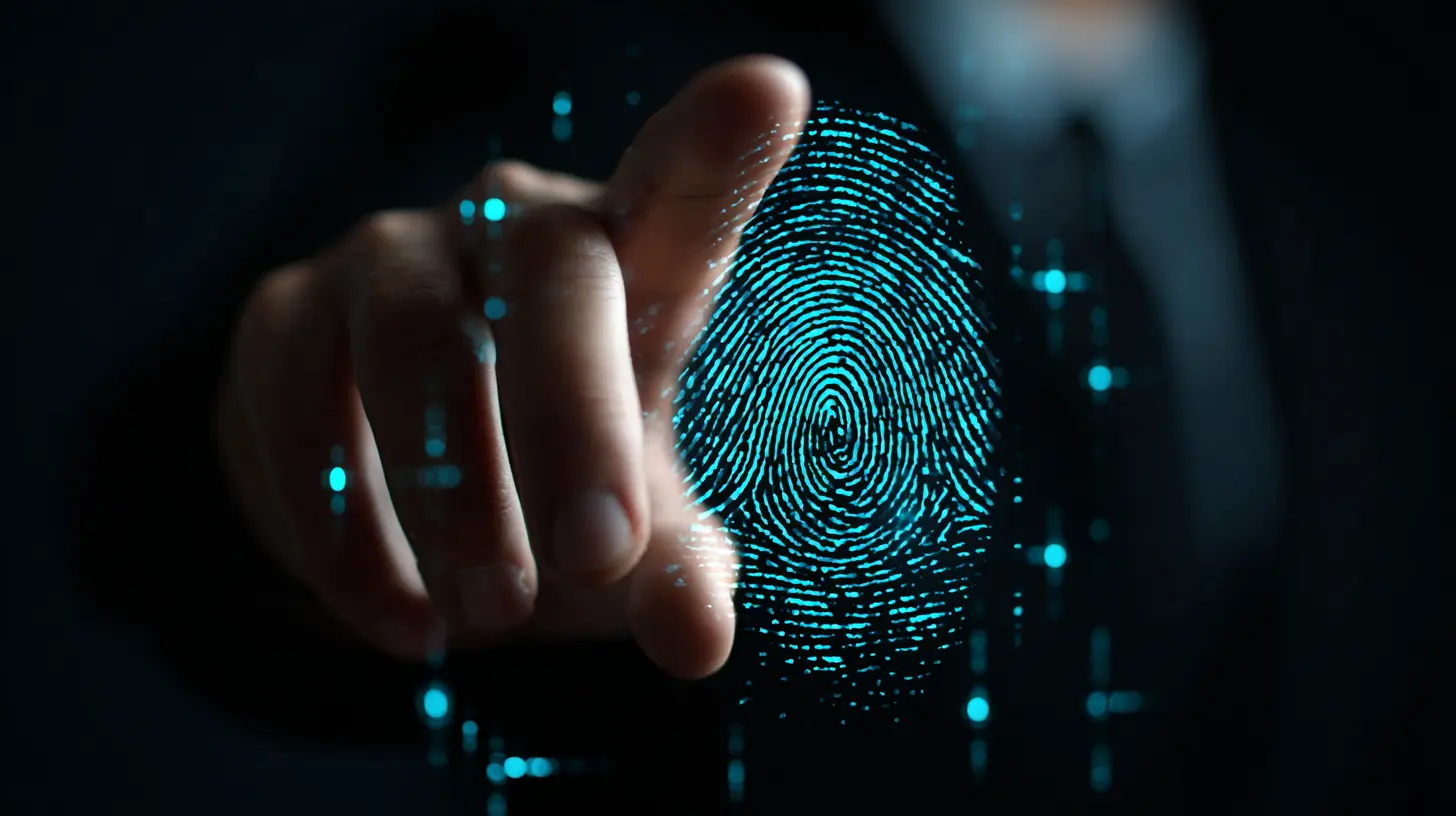
Why This Matters More Than Ever
The timing of this shift is not coincidental. Fraud has changed. It is no longer a lone individual trying to guess a password. It is organized crime rings using automated bots, artificial intelligence, and stolen data at scale.Consider credential stuffing. Fraudsters take lists of usernames and passwords leaked from one site and try them on dozens of other sites. They do this with bots that can test millions of combinations per minute. A human would never notice a bot trying to log in. But a behavioral biometrics system would. Bots do not type like humans. They do not move a mouse like humans. They do not have micro-tremors. They do not pause to think. They are too fast, too uniform, too precise.
Similarly, consider account takeover. A fraudster has your password and your one-time code. They log in successfully. But they do not behave like you. They navigate differently. They spend too long looking at your balance. They try to change your phone number before you would. Behavioral biometrics catches this in real time, often before any transaction is completed.
This is not theoretical. Major banks and financial institutions have been deploying these systems for years. They report significant reductions in fraud losses, not because they catch more fraudsters at the door, but because they catch them in the act. The fraudster is already inside, already authenticated, already moving money. And then the system stops them.
The Trade-Off Between Security and Friction
The biggest objection to behavioral biometrics is privacy. People are uncomfortable with the idea that a system is constantly measuring their behavior. They worry about surveillance, about data collection, about the possibility that their behavioral profile could be used against them.These concerns are legitimate, but they are often based on a misunderstanding of how the technology works. Behavioral biometrics does not record your keystrokes as text. It does not capture your screen. It does not log your browsing history. It measures timing, pressure, acceleration, and angle. These are metadata, not content. They are meaningless outside the context of authentication.
That said, the privacy concern is not the only trade-off. There is also the issue of false positives. Behavioral biometrics is not perfect. It can flag legitimate users, especially those whose behavior changes dramatically. If you break your arm and start typing with one hand, the system might think you are a fraudster. If you are using a new device with a different screen size, your swiping patterns will change. If you are walking while using your phone, your tilt and acceleration will be different.
The best systems handle this by combining behavioral biometrics with other signals. They do not rely on it alone. They use it as one layer in a multi-layered defense. If the behavioral score is low but the device is known and the location is typical, the system might allow the session but require an extra step for high-value transactions. If the behavioral score is very low and the device is new, the system might block the session entirely.
This is the right approach. Behavioral biometrics should not be a replacement for other authentication methods. It should be an enhancement. It should be the layer that catches what the other layers miss.
Real-World Examples and Practical Applications
Let us look at some concrete scenarios where behavioral biometrics shines.The first is real-time payment fraud. Imagine you are a bank. A customer logs in and initiates a wire transfer to a new beneficiary. The transaction is large. The customer has never sent money to this account before. The system checks the device, the location, the IP address. Everything looks normal. But the behavioral biometrics engine notices that the customer is typing much faster than usual, and the mouse movements are unusually smooth and direct. The system flags the transaction for review. It turns out the customer's session was hijacked, and the fraudster was using a script to automate the transfer. The fraud is stopped.
The second is new account fraud. Fraudsters open accounts using stolen identities. They have the correct name, address, social security number, and date of birth. They pass all the traditional checks. But when they fill out the application form, their typing rhythm is different from the rhythm of the legitimate identity owner. Not because the fraudster is a bad typist, but because they are reading from a script or copying data from another screen. Behavioral biometrics can flag this discrepancy, not as proof of fraud, but as a reason for additional verification.
The third is bot detection. Many financial websites are attacked by bots that try to scrape data, test credentials, or submit fake applications. Bots are getting better at mimicking human behavior. They can randomize their typing speed, add pauses, and move the mouse in curved paths. But they still lack the micro-signals that a human produces. The tiny accelerations and decelerations of a real hand, the slight pressure variations on a touchscreen, the natural inconsistency of a human typist. Behavioral biometrics can distinguish between a bot that is trying to look human and a human who is just being human.
Common Mistakes and Misconceptions
There are several misconceptions about behavioral biometrics that need to be addressed.The first misconception is that it is a silver bullet. It is not. It is a probabilistic system, not a deterministic one. It reduces risk, it does not eliminate it. A determined fraudster with enough data and enough time could potentially mimic your behavior. But that is extremely difficult and expensive, and it is not scalable. The point of behavioral biometrics is to make fraud too costly and too difficult to be profitable.
The second misconception is that it requires massive amounts of data to work. This is not true. Modern systems can build a usable behavioral profile from a single session, and they improve with each interaction. The more data they have, the more accurate they become, but they do not need months of data to be useful.
The third misconception is that it is only for large enterprises. This is also not true. Behavioral biometrics is available as a service from many vendors. Smaller companies can integrate it into their existing authentication flows without building their own machine learning infrastructure. The cost is not prohibitive, especially when compared to the cost of fraud losses.
The fourth misconception is that it is invasive. This is a matter of perspective. Behavioral biometrics does not collect more personal data than other forms of authentication. It collects different data. A fingerprint is a physical biometric. A behavioral profile is a behavioral biometric. Both are personal. Both require consent. Both should be protected. The difference is that behavioral biometrics is less visible, which makes it more unsettling to some people. But it is also more secure, because it is harder to steal.
Best Practices for Implementation
If you are considering behavioral biometrics for your organization, there are several best practices to follow.First, start with a clear use case. Do not deploy it everywhere at once. Pick a high-risk process, such as new account opening or large fund transfers, and pilot it there. Measure the impact on fraud rates and false positives. Then expand.
Second, integrate it with your existing risk engine. Behavioral biometrics should not be a standalone tool. It should feed into a broader risk scoring system that considers device, location, transaction history, and other signals. The behavioral score is one input among many.
Third, be transparent with your users. Tell them that you are using behavioral biometrics to protect their accounts. Explain what it is and why it is beneficial. This builds trust and reduces the risk of backlash. Most users will accept it if they understand that it is protecting them.
Fourth, plan for false positives. You will have legitimate users who trigger alerts. You need a process for handling them that does not frustrate them. This might mean offering alternative verification methods, such as a phone call or a one-time code, when the behavioral score is low.
Fifth, monitor and update your models. Behavioral patterns change over time, both for individuals and for populations. The way people type on a smartphone is different from the way they type on a desktop. The way they swipe has changed as screens have gotten bigger. Your models need to be updated regularly to stay accurate.
The Future of Fraud Detection
The future of fraud detection is not a single technology. It is a combination of technologies that work together. Behavioral biometrics is a critical piece of that puzzle, but it is not the only piece. Device fingerprinting, network analysis, artificial intelligence, and human review all have roles to play.What makes behavioral biometrics special is that it addresses the fundamental weakness of static authentication. It recognizes that identity is not a fixed attribute. It is a continuous process. It is something you do, not something you have.
As fraudsters become more sophisticated, the bar for authentication will keep rising. Passwords will become less important. Tokens will become less important. Even physical biometrics will become less important, because they can be spoofed. What will remain is behavior. It is the hardest thing to fake because it is the most personal thing you have.
The organizations that embrace behavioral biometrics early will have a significant advantage. They will catch fraud that others miss. They will reduce friction for legitimate users. They will build trust with their customers. And they will be ready for the next wave of fraud, whatever it looks like.
The password asked a simple question. Behavioral biometrics asks a much deeper one. It asks who you are, not what you remember. And that is a question that fraudsters cannot answer.
all images in this post were generated using AI tools
Category:
Banking SecurityAuthor:

Yasmin McGee
Discussion
rate this article
1 comments
Raegan Pruitt
This is fascinating. I wonder how quickly behavioral biometrics can adapt to new fraud strategies. Can this technology truly outsmart constantly evolving tactics, or will it face significant challenges in real-world applications?
August 23, 2026 at 11:39 AM
Yasmin McGee
Thanks for your thoughts! Behavioral biometrics does have the potential to adapt and evolve, but it will definitely face challenges as fraud tactics grow more sophisticated. Continuous innovation and learning will be key to staying ahead.