Will Banks Survive the Digital Wallet Boom?
6 November 2026
The rise of digital wallets has transformed the financial landscape significantly over the past decade. With the increasing adoption of smartphones and the growing demand for convenience in financial transactions, consumers are turning to digital wallets more than ever. This shift raises a critical question: Will banks survive the digital wallet boom?
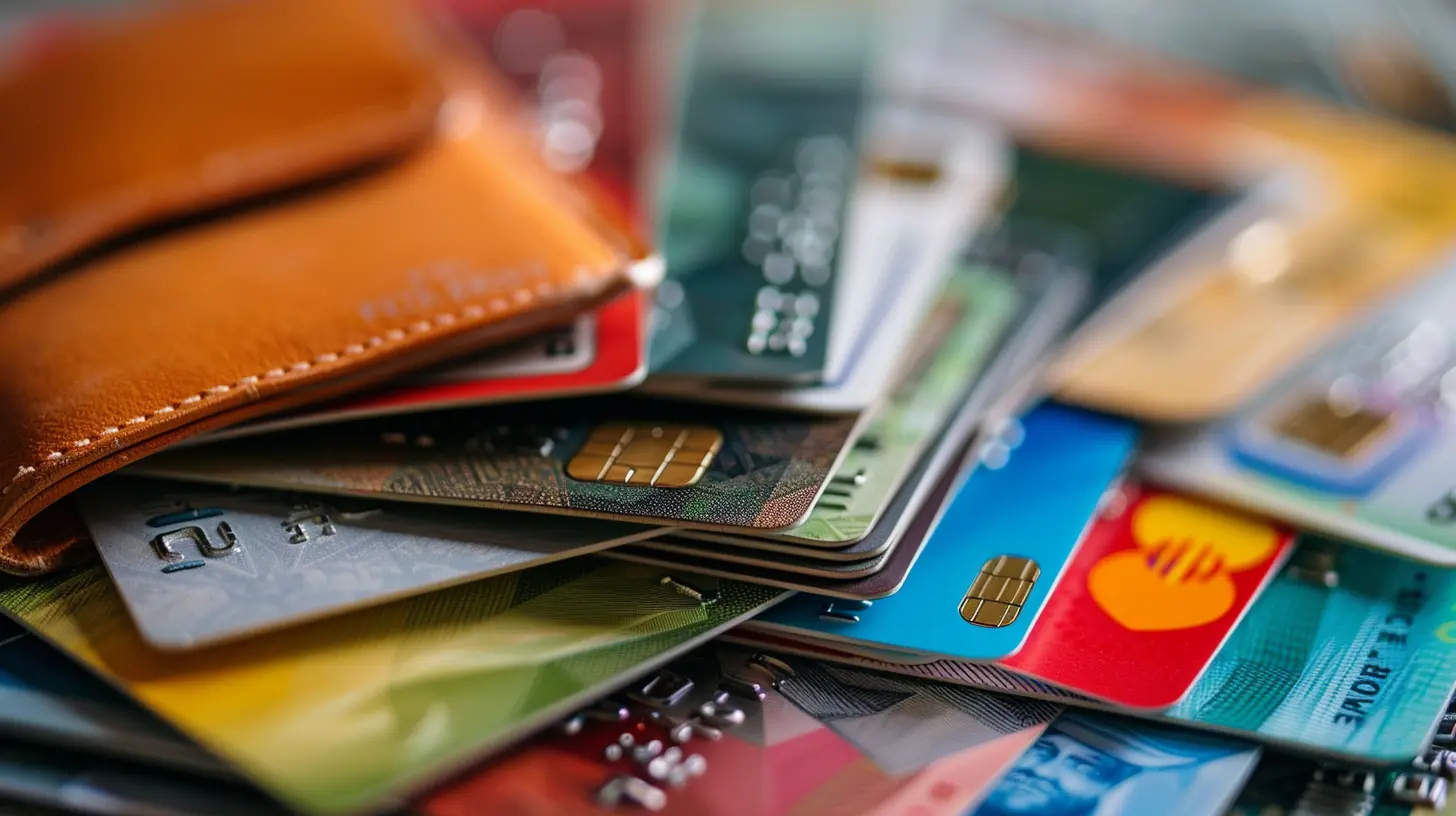
Understanding Digital Wallets
Digital wallets, also known as e-wallets, allow users to store payment information and make transactions electronically. They can be used for a variety of purposes, including online shopping, in-store purchases, and peer-to-peer payments. Popular examples include PayPal, Apple Pay, Google Pay, and Venmo.The Mechanics of Digital Wallets
Digital wallets work by linking to a user's bank account or credit card. When a transaction occurs, the wallet processes the payment using this linked information. This system offers several advantages:- Speed: Transactions typically occur in real-time, allowing for instant payments.
- Convenience: Users can make purchases without carrying cash or cards.
- Security: Many digital wallets use encryption and tokenization to protect sensitive information.
The Appeal of Digital Wallets
The convenience and ease of use offered by digital wallets are appealing to consumers. For instance, the ability to pay with a smartphone at a retail store eliminates the need to dig through a wallet for cash or cards. these wallets often come with additional features such as loyalty rewards, budgeting tools, and transaction history tracking.
The Current Landscape of Banking
To assess the impact of digital wallets on banks, it's essential to understand the traditional banking model. Banks have long served as intermediaries for financial transactions, providing services such as savings accounts, loans, and payment processing.The Role of Banks
Banks perform several critical functions in the economy:- Custodians of Deposits: They hold consumer funds and provide interest on savings.
- Lenders: They facilitate loans for individuals and businesses, earning interest on these loans.
- Payment Processors: They handle transactions between consumers and merchants.
Challenges Facing Traditional Banks
Despite their established role, banks face several challenges in the digital age:- Increased Competition: Fintech companies and digital wallets are emerging as formidable competitors.
- Changing Consumer Preferences: Younger generations prefer digital solutions over traditional banking.
- Regulatory Pressures: Banks must navigate complex regulations that can hinder innovation.
The Impact of Digital Wallets on Banks
The rise of digital wallets presents both challenges and opportunities for traditional banks.The Threat to Traditional Banking
1. Disintermediation: Digital wallets can bypass banks, allowing consumers to conduct transactions without traditional banking services. This could lead to a decline in deposits and transaction fees for banks.2. Fee Compression: As digital wallets gain traction, banks may face pressure to reduce fees associated with transactions and account maintenance to remain competitive.
3. Erosion of Customer Loyalty: Consumers may become more loyal to their digital wallet providers than to their banks, especially if they offer superior features and rewards.
Opportunities for Collaboration
However, the rise of digital wallets does not necessarily spell doom for banks. There are several ways banks can adapt:1. Partnerships with Fintechs: Banks can collaborate with digital wallet providers to enhance their offerings and reach a broader audience. For example, some banks have integrated their services with popular digital wallets to allow seamless transactions.
2. Investing in Technology: By investing in their own digital solutions, banks can compete directly with digital wallets. Many banks are developing their own apps that offer similar functionalities, including mobile payments and budgeting tools.
3. Enhanced Customer Experience: Banks can leverage their existing customer relationships to provide added value, such as personalized financial advice and tailored services.

Real-World Examples
Several banks have successfully navigated the digital wallet boom by adopting innovative strategies.JPMorgan Chase
JPMorgan Chase, one of the largest banks in the United States, has embraced digital wallets by integrating its services with platforms like PayPal and Apple Pay. This partnership allows customers to make payments directly from their Chase accounts, enhancing convenience and retaining customer loyalty.Goldman Sachs
Goldman Sachs has ventured into the digital wallet space with its Marcus platform, offering high-yield savings accounts and personal loans. By focusing on digital-first solutions, Goldman Sachs attracts tech-savvy consumers who prefer managing their finances online.Misconceptions About Digital Wallets and Banks
As the digital wallet trend continues to evolve, several misconceptions persist that can cloud judgment.Misconception 1: Digital Wallets Will Replace Banks
While digital wallets have gained popularity, they are unlikely to replace banks entirely. Instead, they serve as complementary tools that enhance the banking experience. Most consumers still require the services that banks provide, such as loans, investment options, and regulatory protections.Misconception 2: Digital Wallets Are Only for Young Consumers
Though younger generations are more inclined to use digital wallets, adoption is growing among older demographics as well. Banks that offer user-friendly digital solutions can attract a broader audience, including those who may have previously relied on traditional banking methods.
Best Practices for Banks in the Digital Age
To thrive in the era of digital wallets, banks should consider the following best practices:1. Embrace Digital Transformation: Invest in technology that enhances the customer experience. This includes mobile apps, online banking platforms, and security measures to protect user data.
2. Focus on Customer Education: Provide resources to help customers understand the benefits of digital wallets and how they can integrate them with traditional banking services.
3. Leverage Data Analytics: Use data analytics to understand customer behavior and preferences. This information can inform product development and marketing strategies.
4. Stay Agile: The financial landscape is continually evolving. Banks need to remain adaptable and responsive to changes in consumer behavior and technological advancements.
The Future of Banking and Digital Wallets
The relationship between banks and digital wallets will likely continue to evolve. As technology advances, we may see further integration of banking services with digital wallets, leading to a more seamless financial experience for consumers.Potential Trends
1. Increased Regulation: As digital wallets become more prevalent, regulatory bodies may implement stricter guidelines to ensure consumer protection and fair competition.2. Rise of Central Bank Digital Currencies (CBDCs): Governments worldwide are exploring the concept of CBDCs, which could further disrupt the traditional banking model by offering a digital alternative to cash.
3. Enhanced Security Measures: As digital wallets grow in popularity, so too will the need for robust security measures to protect against fraud and data breaches.
Conclusion
The digital wallet boom presents both challenges and opportunities for traditional banks. While the rise of digital wallets may threaten certain aspects of banking, it also opens the door for innovation and collaboration. Banks that adapt to this changing landscape by embracing technology, enhancing customer experiences, and forming strategic partnerships will not only survive but thrive in the digital age.The key for banks lies in recognizing that digital wallets are not an enemy but rather a catalyst for transformation. By leveraging their strengths and evolving alongside these new technologies, banks can continue to play a vital role in the financial ecosystem.
all images in this post were generated using AI tools
Category:
Digital WalletsAuthor:

Yasmin McGee