Royal finances face a cut. But will much really change?
May 15, 2026 - 12:43
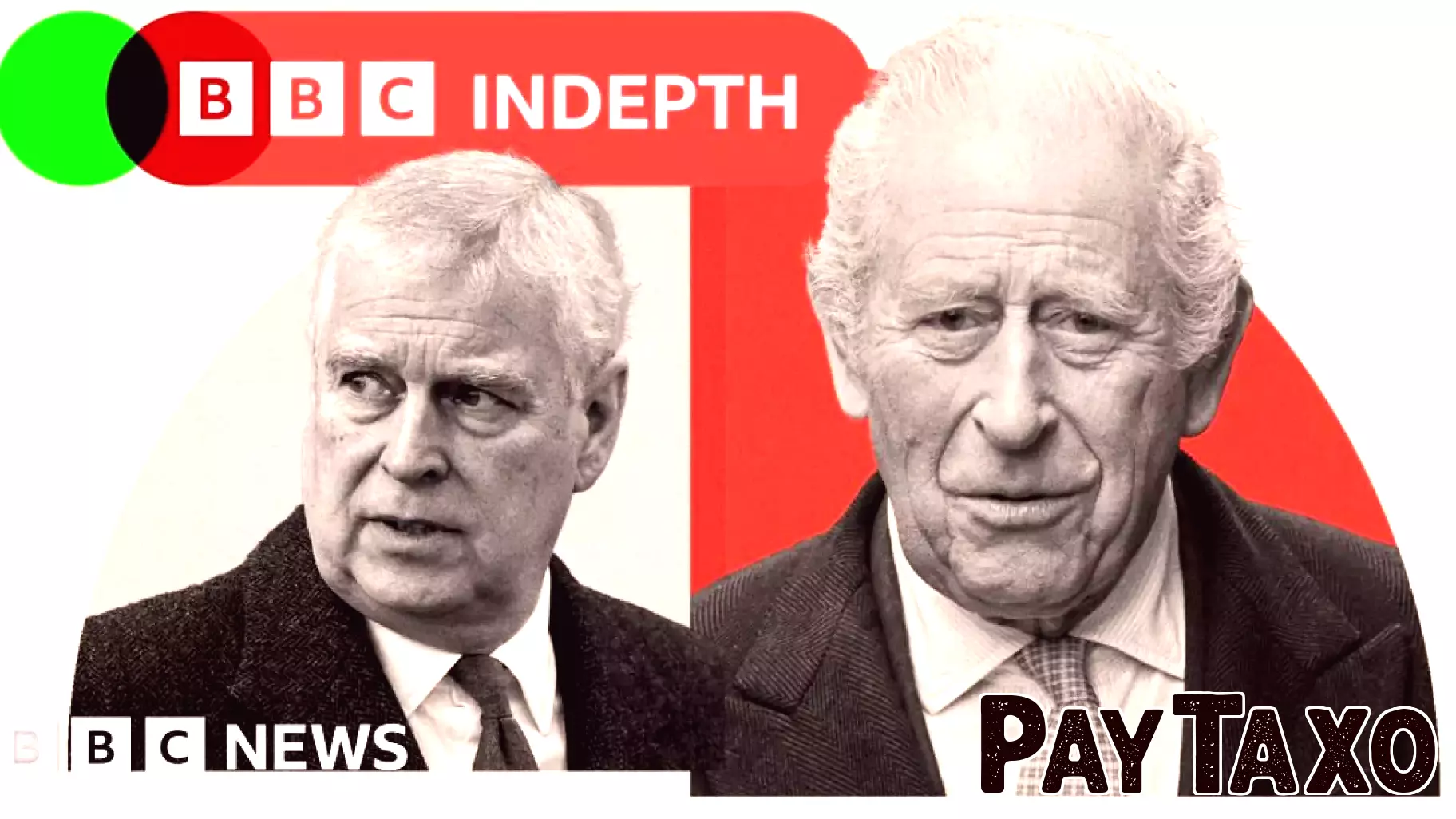
For decades, the funding of the British monarchy has operated under a veil of tradition and constitutional precedent, largely shielded from the kind of public scrutiny applied to government departments. That may be shifting. Recent discussions around the Sovereign Grant, the annual taxpayer-funded payment that supports the Queen's official duties and palace upkeep, suggest a potential reduction is on the horizon. But critics and constitutional experts alike are asking whether a simple budget cut will address the deeper issue: a growing public demand for financial transparency.
The Sovereign Grant is currently set at a percentage of the profits from the Crown Estate, a vast portfolio of land and properties that technically belongs to the monarch but whose revenue goes to the Treasury. This arrangement has historically insulated the royal household from direct political debate over its spending. However, as the cost of living crisis continues to squeeze ordinary households, the optics of a publicly funded institution receiving a large, formula-driven payout have become harder to defend. Polling data increasingly shows that younger generations, in particular, are less willing to accept the status quo. They want to see not just a smaller allowance, but a clear, itemised breakdown of how every pound is spent on travel, staffing, and property maintenance.
Palace officials have pointed to ongoing efforts to modernise, including the publication of annual financial reports that are more detailed than in the past. Yet these reports still lack the granularity of a typical corporate disclosure. Expenses for private jets, security details, and the refurbishment of historic residences are often bundled into broad categories, making independent audit difficult. A cut to the overall grant, while symbolically important, would do little to change this. In fact, some experts warn it could backfire, forcing the royal household to become even less transparent as it scrambles to meet reduced budgets without public oversight.
The real question, then, is not whether the monarchy will have less money next year, but whether the public will ever be allowed to see exactly where that money goes. Without a fundamental shift in the culture of royal finance, a simple reduction in funding risks being a cosmetic gesture. The monarchy may survive a smaller budget, but its long-term legitimacy may depend on something far more valuable than cash: the trust that comes from openness.
MORE NEWS

September 27, 2026 - 02:27
Can SpaceX Shares Set You Up for a Million Dollar Retirement?The market certainly has high hopes for the company. SpaceX has become one of the most talked about private businesses in the world, and for good reason. Its rockets land themselves, its Starlink...

September 26, 2026 - 04:29
North America Home Finance Closes First Tranche of Private Placement of Housing SharesVancouver, British Columbia - North America Home Finance Inc. has announced the successful closing of the first tranche of its non-brokered private placement of Series 1 Non-Voting Preferred Shares...

September 25, 2026 - 03:12
ORBIT GARANT REPORTS FISCAL 2026 FOURTH QUARTER AND YEAR-END FINANCIAL RESULTSOrbit Garant Drilling Inc. has released its financial results for the fourth quarter and the full fiscal year that ended on June 30, 2026. The company, which trades on the Toronto Stock Exchange...

September 24, 2026 - 19:07
Is IBM Stock's Upside Built On Growth It Is Not Guiding To?International Business Machines (IBM) stock dropped 12 percent over the past twelve months, while the S&P 500 climbed 16.5 percent. That gap tells a story of a company struggling to keep pace with...