Can You Use a Mortgage to Buy a Fixer-Upper? Understanding Renovation Loans
21 March 2026
Buying a home is one of the biggest investments you’ll ever make. But what happens when your dream home is a little rough around the edges? Maybe the kitchen screams 1970s, the roof looks like it survived a hurricane, and the plumbing is... questionable. So, here’s the million-dollar question: Can you use a mortgage to buy a fixer-upper?
Spoiler alert — yes, you can. But it’s not a one-size-fits-all kind of deal. There are special types of loans specifically designed for this purpose called renovation loans, and they might just be the key to unlocking your perfect (yet imperfect) home.
Let’s dive into the guts and bolts of buying a fixer-upper with a mortgage and how renovation loans make it all possible.
What Is a Fixer-Upper, Anyway?
Before we go all HGTV, let’s get something straight.A fixer-upper is a house that needs some TLC — anything from cosmetic upgrades like new paint and floors to major structural repairs. These homes are often priced lower than turnkey properties, making them an attractive option for first-time buyers, house flippers, or anyone willing to put in some sweat equity.
But here’s the catch — traditional mortgages don’t always play nice with homes in need of significant repairs.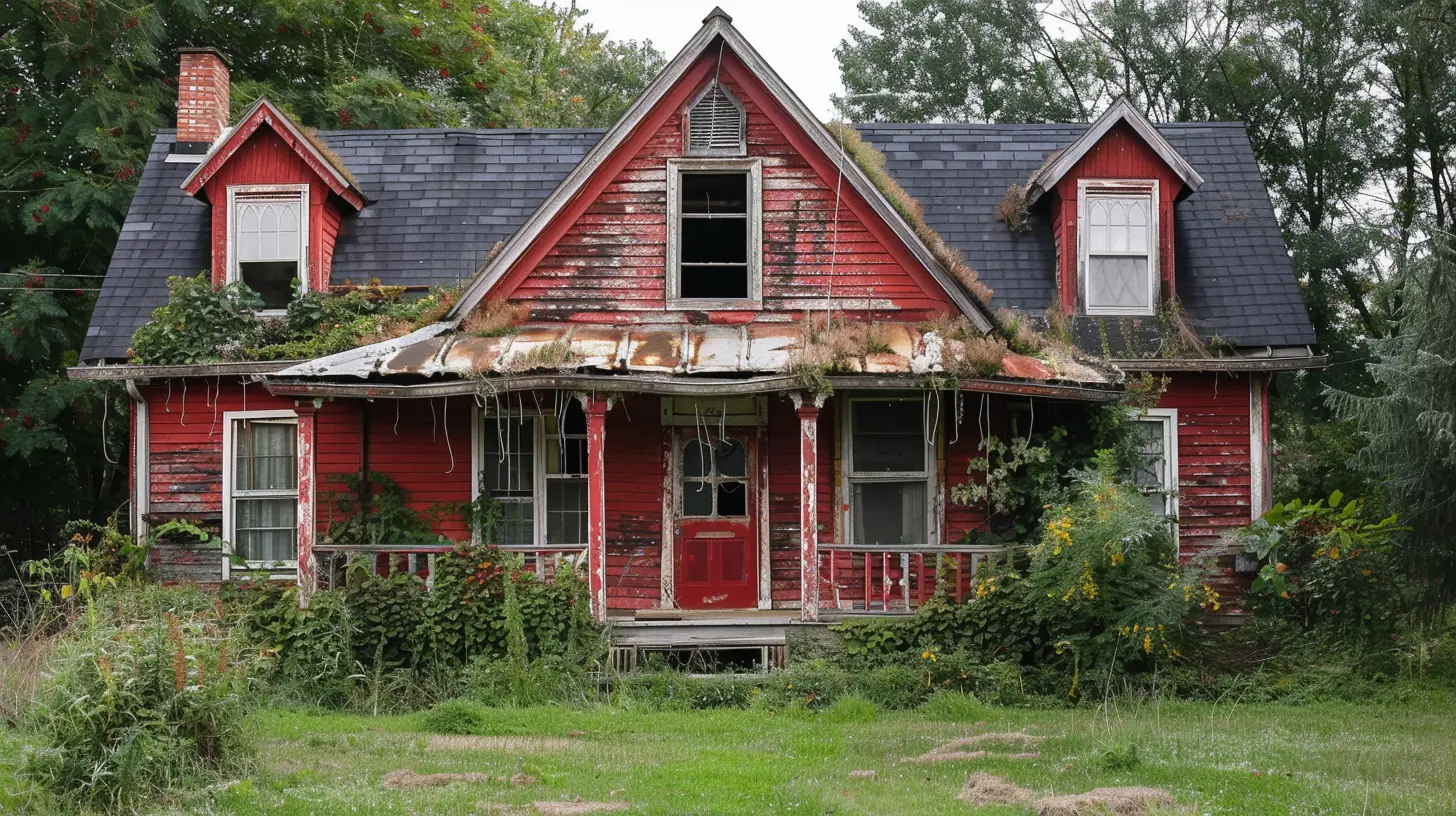
Why Traditional Mortgages Might Not Cut It
Imagine applying for a standard mortgage for a house with a leaky roof, cracked foundation, or ancient electrical systems. The bank’s going to do an appraisal, and if the home doesn't meet minimum property standards, guess what? You're probably not getting that loan.Lenders want to protect their investment. A house falling apart is a risky bet for them. That’s where renovation loans come in, offering a sweet workaround.
Enter the Renovation Loans: Your Fixer-Upper's Best Friend
So, what exactly is a renovation loan?Think of it as a combo deal — like ordering a burger AND fries. A renovation loan rolls the cost of the property and the cost of the repairs into one single mortgage. That means you can borrow money to buy the house and fix it up, all in one shot.
Sounds good, right? But wait, there’s more than one flavor of renovation loans out there.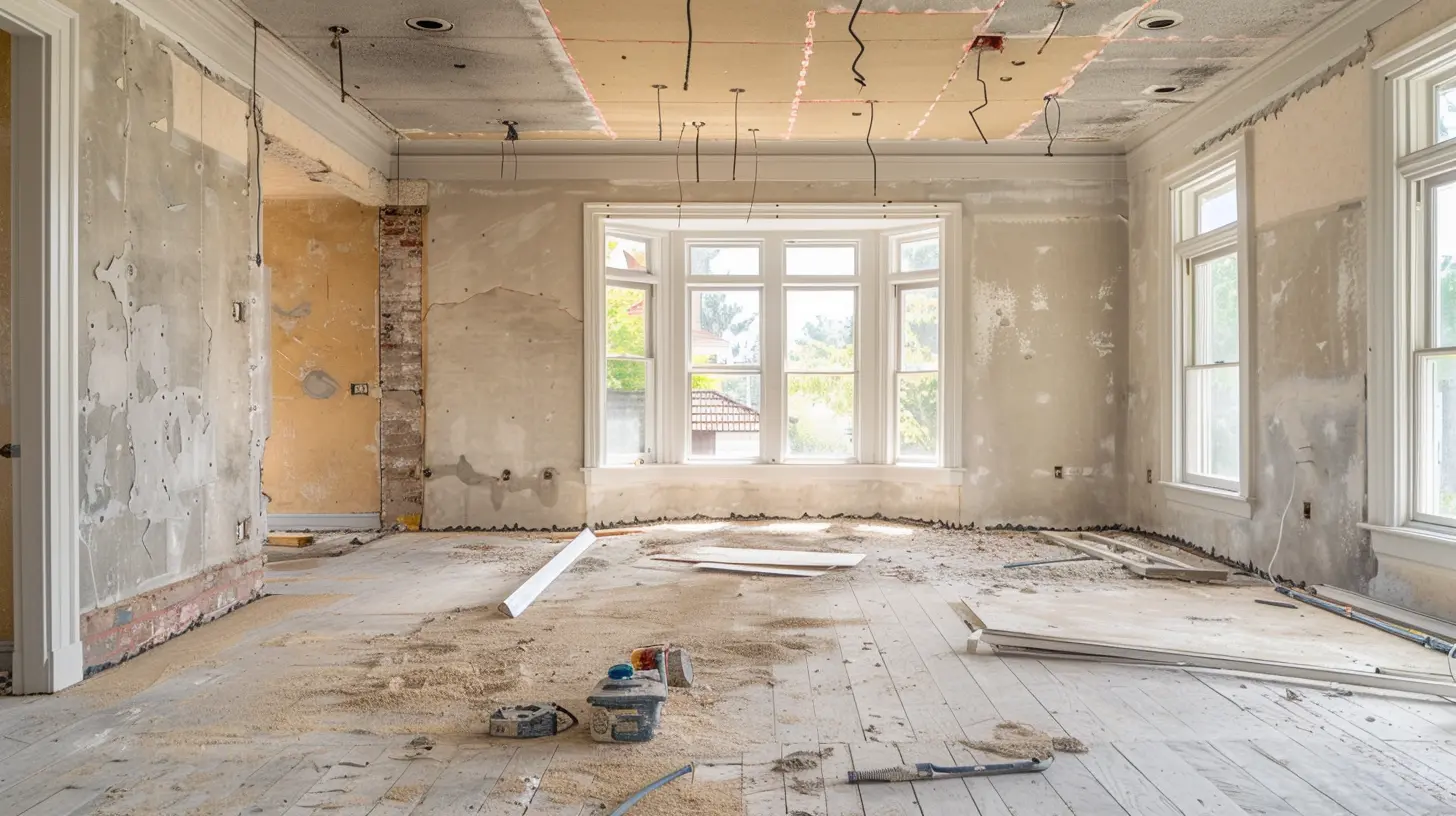
Types of Renovation Loans You Should Know About
1. FHA 203(k) Loan
Ever heard of this one? It’s a government-backed loan from the Federal Housing Administration. It’s a top pick for first-time homebuyers because the credit requirements are more flexible, and the down payment can be as low as 3.5%.There are two types:
- Standard 203(k): For major repairs over $35,000 or structural work.
- Limited 203(k): For smaller projects under $35,000 — think kitchens, bathrooms, flooring.
The coolest part? You can use it for everything from replacing the roof to upgrading energy systems.
But heads up — you'll need to work with an FHA-approved lender and follow stricter guidelines.
2. Fannie Mae HomeStyle® Renovation Loan
This one’s a bit more flexible and works for both new purchases and refinancing.Unlike the FHA 203(k), you don’t have to deal with mortgage insurance for the life of the loan (yay!). You can finance both cosmetic and structural repairs, and even add luxury items like swimming pools — yes, really.
The catch? You’ll need a higher credit score, usually around 620 or more.
3. Freddie Mac CHOICERenovation® Loan
Love customization? This one's for you. It lets you roll in the cost of renovations with a traditional mortgage. You can use it for aging-in-place upgrades, disaster prep, or even eco-friendly improvements.It’s also investor-friendly, which is great if you’re looking to flip houses or rent them out.
4. VA Renovation Loan
If you’re a veteran or active-duty service member, first off — thank you for your service.The VA renovation loan lets you buy and improve a home with zero down payment and no monthly mortgage insurance. It’s less common and not all lenders offer it, but it could be a gold mine for the right buyer.
What Can You Fix with a Renovation Loan?
Here’s where things get fun. With renovation loans, you can finance a wide range of upgrades:- Kitchen remodels
- Bathroom updates
- New roofing and gutters
- Heating and cooling systems
- Electrical and plumbing upgrades
- Flooring
- Room additions
- Energy-efficient installations
- Accessibility improvements
Just keep in mind: most loans won’t cover luxury items like hot tubs, tennis courts, or landscaping that's purely cosmetic.
The Renovation Loan Process: What to Expect
Alright, so you’re sold on the idea… but how does it work? Let’s break it down step-by-step.Step 1: Get Pre-Approved
Just like with a regular mortgage, you’ll need to get pre-approved first. This gives you a clear budget and shows sellers you're serious.Step 2: Find Your Fixer-Upper
Now the fun begins — house hunting! Look for properties that are structurally sound but need cosmetic upgrades. This is where your real estate agent becomes your BFF.Step 3: Hire a Contractor
You’ll need a licensed contractor to provide a detailed estimate of the repairs — itemized, clear, and approved by your lender.Step 4: Appraisal Time
The lender will have an appraiser evaluate the after-repair value — that’s what the home will be worth once the renovations are done.Step 5: Close the Loan
Once all the paperwork is in place, it’s time to sign that dotted line. The lender sets up an escrow account for the renovation funds.Step 6: Start the Work
Contractors get to work, and funds are released as milestones are met. Renovations typically need to be completed within 6–12 months, depending on the loan type.Pros of Using a Renovation Loan
Let’s be real — renovation loans are awesome if you play your cards right. Here’s why:- 🎯 House + renovation in ONE loan.
- 💰 Lower upfront costs.
- 🏠 Build equity right away.
- ✨ Personalize your home to your taste.
- 💸 Potentially lower interest rates vs. personal loans or credit cards.
Cons (Because Nothing’s Perfect)
But don’t go in blind. There are a few downsides to watch out for:- 🕒 Longer closing times due to extra paperwork and approvals.
- 🔨 Construction delays or unexpected issues (they happen).
- 📋 More red tape with lender guidelines and inspections.
- 🧾 Need a good contractor — no cutting corners.
Tips to Navigate a Renovation Loan Like a Pro
Ready to roll up your sleeves? Keep these pro tips in mind:- ✅ Work with a renovation-experienced real estate agent and lender.
- ✅ Get multiple contractor bids — don't settle for the first one.
- ✅ Stay within budget — emergencies WILL happen.
- ✅ Understand the loan’s timeline and rules.
- ✅ Have a backup plan (and a backup budget).
Is a Renovation Loan Right for You?
That depends. If you’re someone who loves turning vision boards into reality, has patience for a few hiccups, and doesn’t mind a little chaos, then a renovation loan could be your ticket to homeownership on your own terms.But if the sound of a drill gives you hives, and you prefer move-in ready, maybe this isn’t your path.
Final Thoughts
So, circling back to the big question: Can you use a mortgage to buy a fixer-upper? Absolutely — as long as you’re using the right kind of mortgage.Renovation loans open up possibilities that standard loans just can’t touch. Whether you're revitalizing a charming old cottage or turning a dated two-story into a modern masterpiece, these loans give you the power to create your dream space, your way.
Buying a fixer-upper is not just a real estate decision — it’s a lifestyle choice. With the right tools, the right plan, and a little bit of grit, your “ugh” house can become your “ahh” home.
all images in this post were generated using AI tools
Category:
Mortgage TipsAuthor:

Yasmin McGee
Discussion
rate this article
2 comments
Roman Ramos
Absolutely! Embracing a fixer-upper with a renovation loan can transform dreams into reality. Invest wisely, harness your creativity, and watch your property flourish—your vision and determination can redefine your financial future!
April 17, 2026 at 11:30 AM
Yasmin McGee
Thank you for your insightful comment! Embracing a fixer-upper can truly open doors to both creative expression and financial growth. Your passion for transformation is inspiring!
Jace McVicker
Renovation loans empower homeowners to invest in potential and value.
March 23, 2026 at 5:25 AM
Yasmin McGee
Absolutely, renovation loans can really unlock a property's hidden potential and boost its value. They provide a great opportunity for homeowners to create their dream space.