Digital Wallets and the Evolution of Shopping Habits
19 August 2026
There was a time, not so long ago, when "going shopping" meant grabbing a leather bifold, checking for cash, and hoping the ATM visit from last Tuesday hadn't left you short. You'd stand in line, watch the cashier count out your change, and stuff a crumpled receipt into your pocket. Today, that entire ritual has been replaced by a single, satisfying tap of your phone against a terminal. The digital wallet has not just changed how we pay; it has rewired the very psychology of buying. And if you think this is just about convenience, you are missing the bigger picture.
Let's be clear about what we are dealing with. A digital wallet is not simply a payment method. It is a behavioral ecosystem. It combines your credit cards, loyalty programs, boarding passes, event tickets, and even your car keys into one device that you already carry everywhere. The shift from physical to digital is not a linear upgrade. It is a fundamental change in the relationship between the shopper, the merchant, and the money itself. To understand where this is heading, you need to understand why it works, where it fails, and how to use it without getting burned.
The Invisible Hand of Friction Reduction
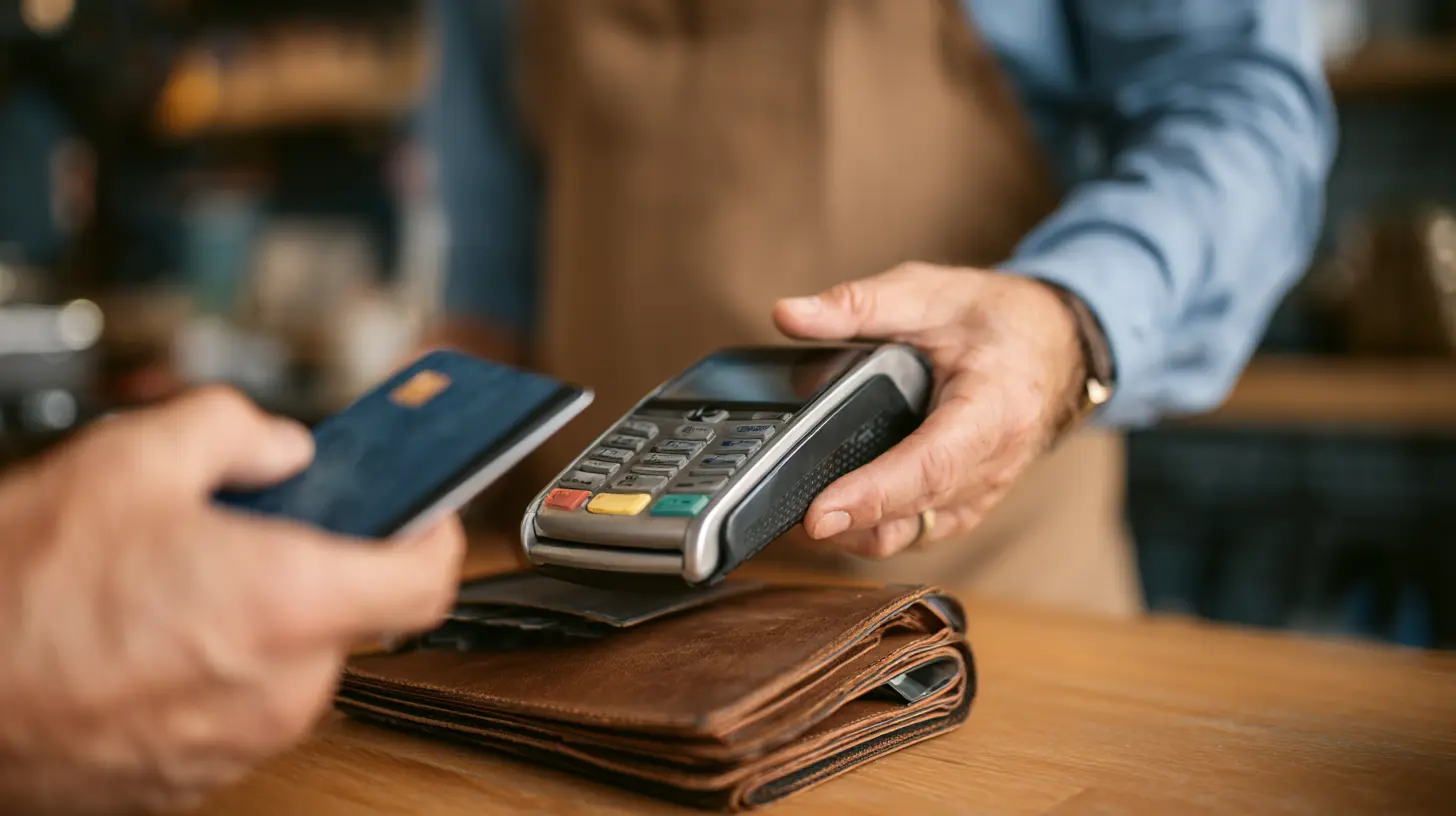
The most underappreciated driver of digital wallet adoption is not security or speed. It is the reduction of friction. Friction is the enemy of spending. Every time you have to reach for a card, swipe it, enter a PIN, or wait for a chip reader, you insert a tiny pause between desire and fulfillment. Digital wallets remove that pause almost entirely.Consider the impulse buy. In a physical store, you see a chocolate bar at the checkout. With a physical wallet, you have time to think, "Do I really need this?" You have to unzip your bag, find your card, and hand it over. That is roughly six seconds of cognitive hesitation. With a digital wallet, your phone is already in your hand because you were checking a message. You tap, you smile, you walk out. The decision window shrinks from seconds to milliseconds.
This is not a trivial observation. Retailers have known for decades that reducing payment friction increases average order value. The introduction of contactless cards already proved that point. Digital wallets take this to the logical extreme. When the payment action becomes nearly subconscious, the shopping experience transforms from a series of deliberate decisions into a continuous flow of acquisition.
The trade-off is obvious and rarely discussed. Lower friction also means lower self-control. If you are someone who struggles with impulse spending, a digital wallet is not your friend. It is an enabler. The best practice here is to set hard limits on the cards you load into your wallet. Do not link your main checking account. Use a dedicated credit card with a modest limit and automatic alerts for every transaction. You are not just protecting yourself from fraud; you are protecting yourself from your own reflexes.
The Rise of the Super-App and the Death of the Checkout Line
In many parts of the world, the digital wallet has evolved beyond a simple payment tool. It has become a super-app. WeChat Pay and Alipay in China are the most famous examples. You can pay for groceries, book a doctor's appointment, order a taxi, invest in a money market fund, and split a dinner bill with friends, all without ever leaving the same application. The wallet is no longer the thing you use to pay. It is the place where you live.Western markets have been slower to adopt this model, but the trajectory is clear. Apple Pay is integrating more aggressively with loyalty programs and transit systems. Google Pay is bundling tickets and boarding passes. PayPal has been morphing into a full financial services hub for years. The question is not whether the super-app model will dominate, but how quickly it will happen and who will control the data.
The practical implication for shoppers is that your wallet is becoming a record of your entire life. Every transaction, every loyalty check-in, every transit swipe is logged and analyzed. This is both a blessing and a curse. On the blessing side, you get personalized offers that are actually relevant, real-time spending insights, and automatic coupon application. On the curse side, you are handing over a treasure trove of behavioral data to companies whose primary interest is not your financial well-being.
Here is the expert advice that most articles skip: treat your digital wallet like a public square, not a private diary. Assume that every transaction is being observed. Do not link accounts that would reveal sensitive information beyond the purchase itself. Use virtual card numbers where available, especially for one-off purchases. And periodically review the permissions you have granted to each app connected to your wallet. You would be surprised how many apps quietly ask for access to your transaction history long after you have stopped using them.
The Security Paradox: Safer but More Vulnerable
There is a widespread misconception that digital wallets are inherently less secure than physical cards. That is backwards. Digital wallets use tokenization, which means your actual card number is never transmitted to the merchant. Instead, a one-time dynamic code is used. Even if a hacker intercepts that code, it is useless for future transactions. Physical cards, by contrast, have a static magnetic stripe that can be cloned with a $50 device.But here is the paradox. The security of the transaction itself has improved dramatically, while the security of the account has become more fragile. Your phone is a single point of failure. If someone gains access to your unlocked phone, they have access to every card, every loyalty account, and every stored password. A lost wallet is annoying. A lost phone with a digital wallet is a potential identity theft event.
The best defense is not a complex password or a fingerprint. It is the principle of compartmentalization. Do not put all your financial instruments in one digital basket. Keep your primary checking account off your phone entirely. Use a single credit card for mobile payments and keep its limit low enough that a fraudulent spree would be a nuisance, not a catastrophe. Enable biometric authentication, but also require a passcode as a fallback. And for the love of your financial future, do not use the same PIN for your phone that you use for your ATM card.
Another common mistake is assuming that because the wallet is digital, the merchant is equally secure. That is false. The terminal on the other end can be compromised. The best practice is to use the digital wallet only with merchants you trust. For small vendors, street markets, or unfamiliar websites, use a physical card with a low limit or a prepaid card. The convenience of the wallet should not override your judgment about the reliability of the counterparty.
Loyalty Programs and the Gamification of Spending
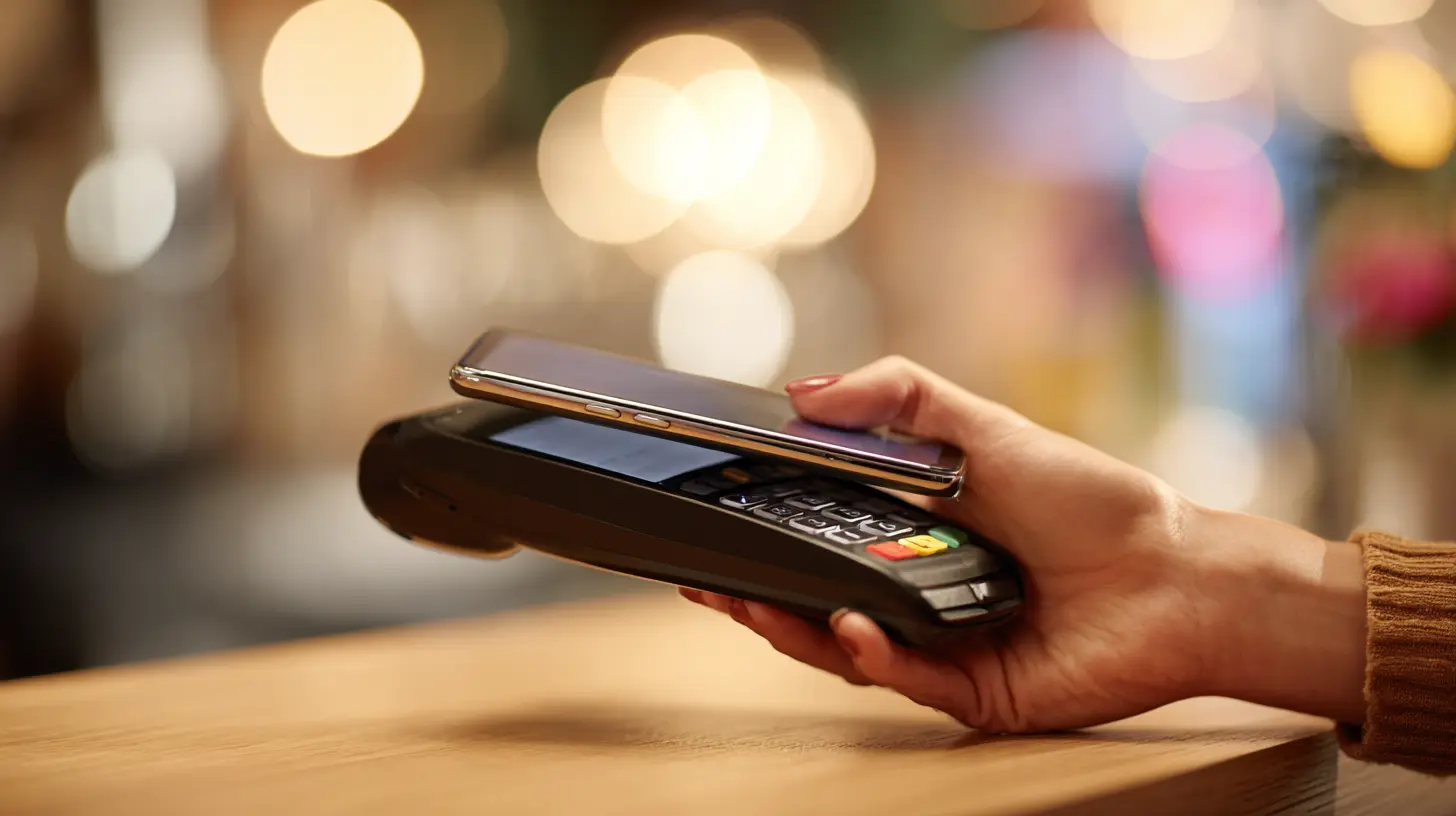
One of the most insidious yet brilliant features of digital wallets is the seamless integration of loyalty programs. In the old days, you had to remember to carry a separate loyalty card for each store. If you forgot it, you lost the points. Digital wallets eliminate that problem entirely. They automatically detect the merchant and apply the correct loyalty card. This is a massive convenience win for the shopper.But here is the catch. Loyalty programs are not designed to reward you. They are designed to change your behavior. The points, the tiers, the exclusive offers, and the gamified progress bars are all engineered to make you spend more than you would otherwise. Digital wallets amplify this effect because they make the reward almost invisible. You tap your phone, and the points accumulate without any conscious effort. The feedback loop between spending and reward becomes so tight that you stop thinking about the cost entirely.
The expert move is to use loyalty programs deliberately, not passively. Pick two or three merchants where you genuinely shop on a regular basis. Focus your digital wallet loyalty integration on those. Ignore the rest. The moment you find yourself choosing a merchant because of points rather than price or quality, you have lost the game. The points are not the prize. The prize is getting what you need at a fair price without being manipulated.
Another misconception is that digital wallets always give you the best price. They do not. Some merchants charge higher prices for mobile payments because the processing fees are different. Others offer discounts only for cash. The wallet does not care about your total bill. It cares about completing the transaction. If you are buying a high-ticket item, it is always worth asking the merchant if there is a cash discount or a different payment method that saves you money. The digital wallet is a tool, not a god.
The Generational Divide and the Inertia of Habit
It is tempting to divide the world into digital natives who embrace wallets and older generations who resist them. That division is real, but it is not about age. It is about habit and trust. A 70-year-old who has used the same bank for 40 years may be perfectly comfortable with a digital wallet if their bank issues it. A 25-year-old who has been burned by an online scam may refuse to link any card to their phone.The deeper issue is the inertia of habit. Payment methods are deeply embedded in our routines. Changing them requires a cognitive effort that many people simply do not want to expend. This is why the adoption curve for digital wallets has been slower than many tech enthusiasts predicted. It is not a technology problem. It is a psychology problem.
If you are trying to help a family member or a friend make the transition, do not start with the financial benefits. Start with a single, low-stakes use case. Pay for parking, buy a coffee, or use it for a transit ticket. The goal is to build familiarity without pressure. Once the person sees that the phone does not explode and the money is not lost, the fear diminishes. Then you can introduce more complex features like loyalty integration or peer-to-peer transfers.
On the flip side, if you are a merchant, the generational divide is a practical concern. You cannot assume that every customer wants to tap their phone. You need to accept cash, cards, and digital wallets simultaneously. The ones who pay with a digital wallet are likely to be your most loyal and frequent customers. The ones who pay with cash are likely to be your most price-sensitive. Treat both groups with equal respect, and you will retain both.
The International Travel Wildcard
For travelers, the digital wallet is a game-changer, but only if you understand its limits. In many countries, contactless payments are ubiquitous. In others, cash is still king, and your phone is a useless brick. The mistake is assuming that because your wallet works at home, it will work everywhere.Before you travel, research the payment infrastructure of your destination. In Japan, for example, many smaller shops still prefer cash, while in Sweden, cash is almost extinct. In Germany, contactless is common but some merchants still require a PIN for larger amounts. In many developing countries, the digital wallet is actually the primary payment method, but it is a local app, not Apple Pay or Google Pay.
The practical advice is to carry a backup. A physical credit card with no foreign transaction fees and a small amount of local currency are non-negotiable. Your digital wallet is a convenience, not a lifeline. When you are in a foreign country and your phone dies, or the local network does not support your wallet, you will be grateful for the physical card in your pocket.
Also, be aware of dynamic currency conversion. Some merchants and ATMs will offer to charge you in your home currency instead of the local one. This sounds helpful, but it is almost always a rip-off. The exchange rate is terrible, and you get hit with extra fees. Always choose to be charged in the local currency. Your digital wallet will handle the conversion, but you should know what the actual rate is before you confirm.
The Hidden Cost of Convenience: Data and Fees
Convenience is never free. With digital wallets, the cost is paid in two currencies: data and fees. The data cost is the more subtle one. Every transaction you make through a digital wallet generates a data point that is sold, shared, or used to build a profile of you. This profile is then used to target you with ads, adjust prices, or deny you credit. The wallet providers are not charities. They are businesses that monetize your behavior.The fee cost is more direct. Merchants pay a processing fee for every digital wallet transaction, usually around 2 to 3 percent. This fee is baked into the price of the goods you buy. You are paying the fee whether you use the wallet or not. But here is the kicker: some merchants are now offering a discount for cash payments because they avoid the fee. If you are a savvy shopper, you should always ask about cash discounts for large purchases. The digital wallet may be convenient, but it is not free.
The best practice is to read the terms of service for your digital wallet provider at least once. Yes, it is boring. Yes, it is long. But it will tell you exactly what data is collected, who it is shared with, and what your rights are. Most people never do this, which is exactly why the providers get away with so much.
When Not to Use a Digital Wallet
There are times when the digital wallet is the wrong choice. The first is when you are trying to build or rebuild your credit. Digital wallets do not report to credit bureaus in the same way that credit cards do. If you are using a debit card in your wallet, those transactions do nothing for your credit score. If you are trying to establish a credit history, you need to use a physical credit card, pay it off in full, and wait for the reporting cycle.The second is when you are disputing a charge. Digital wallet transactions can be harder to dispute than direct card transactions because there is an extra layer of intermediary. The merchant, the wallet provider, and the card issuer all have to communicate. This can delay the resolution of a dispute by days or even weeks. For high-value purchases, using a physical credit card gives you stronger consumer protections and a clearer path to recourse.
The third is when you are trying to stick to a budget. The very frictionlessness that makes digital wallets delightful also makes them dangerous for overspenders. If you find that your monthly spending has crept up since you started using a digital wallet, that is not a coincidence. The solution is not to abandon the wallet entirely but to set spending limits within the wallet app. Most major wallets allow you to set transaction alerts and monthly caps. Use them.
The Future: Biometrics, Wearables, and the End of the Card
Looking ahead, the digital wallet is going to become even more embedded in daily life. Biometric authentication, such as face recognition and fingerprint scanning, is already standard. The next step is wearable payments. Smartwatches already handle payments, but soon we will see rings, bracelets, and even clothing with embedded payment chips. The card itself will become a relic, like the checkbook before it.The more interesting development is the convergence of identity and payment. In the future, your digital wallet may also contain your driver's license, your passport, your health insurance card, and your employment credentials. This is convenient but also terrifying. A single compromised device could expose everything about you. The security implications are enormous, and the regulatory framework is far behind the technology.
For now, the best approach is to stay informed and stay flexible. Do not adopt every new feature just because it is shiny. Evaluate each addition to your wallet based on whether it genuinely improves your life or simply adds another layer of complexity. The wallet is a tool, not a lifestyle. Use it when it serves you, and leave it in your pocket when it does not.
Practical Action Steps for the Modern Shopper
If you are ready to get the most out of your digital wallet without falling into the traps, here is a short checklist. First, review the cards currently linked to your wallet. Remove any that you do not use regularly. Second, set a transaction alert for every single purchase. Third, enable biometric authentication and set a strong passcode as a backup. Fourth, check your wallet app's privacy settings and disable any data-sharing options that are not necessary for the app to function. Fifth, use a separate, low-limit card for mobile payments and keep your main accounts off the phone. Sixth, ask about cash discounts for large purchases. Seventh, review your monthly statements to catch any unauthorized charges early. Eighth, update your wallet app regularly to ensure you have the latest security patches. Ninth, never use your digital wallet on a public Wi-Fi network. Tenth, if you lose your phone, immediately lock or wipe it remotely, and contact your card issuers to freeze the linked cards.These steps will not make you invulnerable, but they will put you ahead of the vast majority of users who never think about their digital wallet until something goes wrong.
The Bottom Line
The digital wallet is not a passing trend. It is the natural evolution of commerce, driven by the human desire for speed and convenience. But like all powerful tools, it demands respect. The shopper who understands the mechanics of friction, the psychology of loyalty, the risks of data collection, and the limits of security will use the wallet as an advantage. The shopper who simply taps and forgets will end up paying for that convenience in ways they do not expect.Shopping habits have changed. The question is not whether you will adapt. You already have. The question is whether you will adapt intelligently. Keep your eyes open, your limits set, and your backup card in your pocket. The wallet is here to stay, but it should never be the only thing standing between you and your money.
all images in this post were generated using AI tools
Category:
Digital WalletsAuthor:

Yasmin McGee
Discussion
rate this article
1 comments
Gwen McMurtry
Finally, a wallet that won't complain when I try to squeeze in one more coffee... but seriously, digital wallets might just save me from my shopping addiction!
September 7, 2026 at 7:04 PM