How Digital Wallets Are Redefining Personal Finance Management
22 November 2026
Digital wallets have emerged as a game-changer in personal finance management, providing convenience, security, and innovative features that traditional banking methods often lack. As technology continues to evolve, the role of digital wallets in our financial lives is becoming increasingly significant. In this article, we will delve into how digital wallets are reshaping personal finance management, explore their features, advantages, potential pitfalls, and best practices for their use.
Understanding Digital Wallets
What is a Digital Wallet?
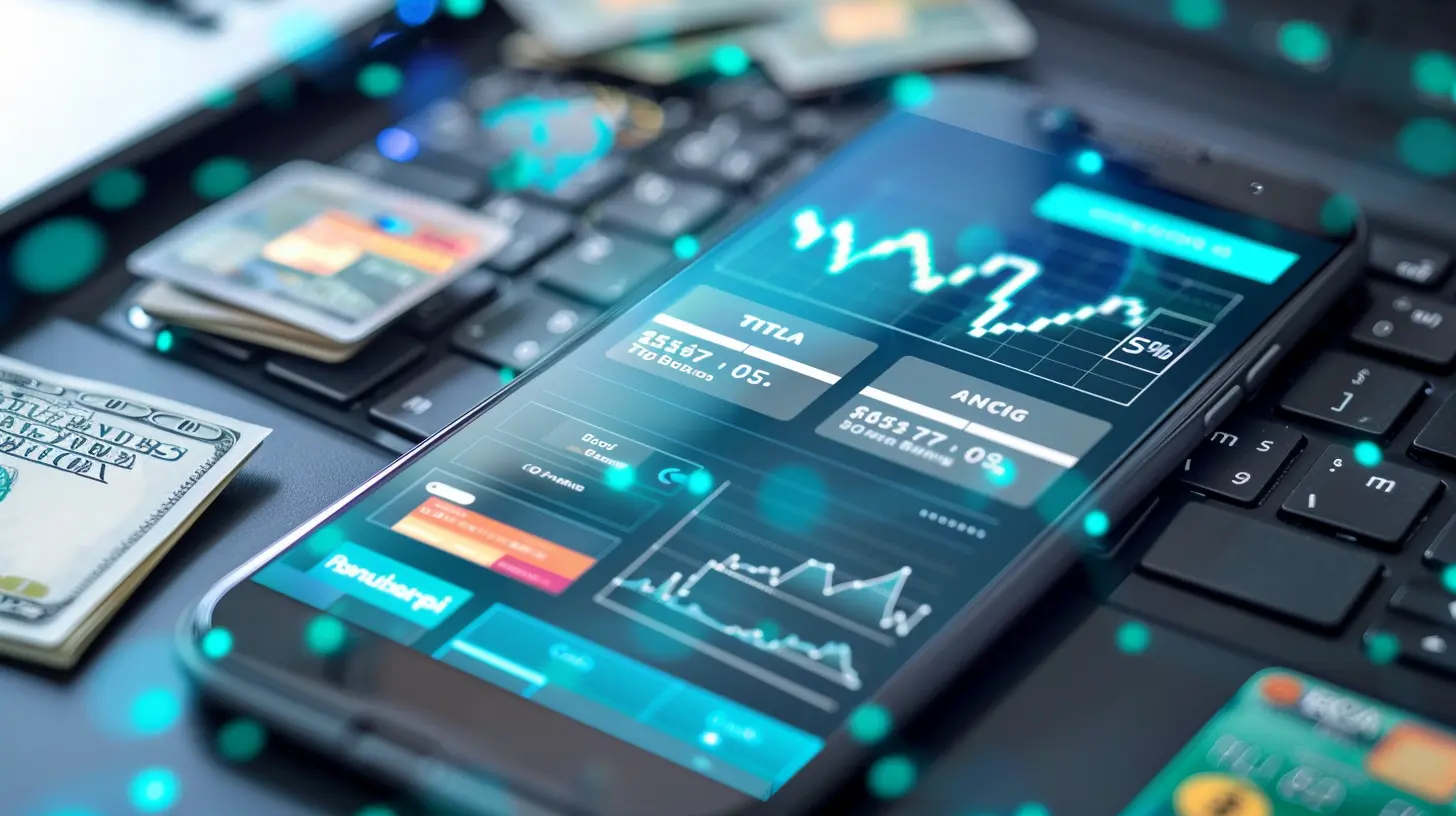
A digital wallet is a software application that allows users to store payment information and passwords for numerous payment methods and websites. These wallets can be used for online purchases, in-store transactions, and even peer-to-peer money transfers. Popular examples include PayPal, Apple Pay, Google Pay, and Venmo.How Digital Wallets Work
Digital wallets work by linking to your bank account, credit card, or debit card. When you make a purchase, the wallet securely transmits your payment information to the merchant, often using encryption to protect your data. This process eliminates the need to carry physical cards or cash.
The Rise of Digital Wallets
A Shift in Consumer Behavior
The adoption of digital wallets has skyrocketed in recent years, driven by several factors. The COVID-19 pandemic accelerated the shift towards contactless payments as consumers sought safer and more hygienic transaction methods. the younger generation, who are more tech-savvy, prefers digital solutions over traditional banking.Market Trends and Statistics
According to recent studies, the global digital wallet market is projected to grow significantly. As of 2023, it is estimated to reach a valuation of several billion dollars, reflecting a strong consumer preference for digital financial solutions. This growth indicates that digital wallets are not just a passing trend but a transformative force in personal finance.
Advantages of Using Digital Wallets
1. Convenience
Digital wallets offer unparalleled convenience. With just a few taps on your smartphone, you can make purchases, transfer money, and track your spending. This ease of use is particularly appealing in our fast-paced world.2. Enhanced Security
Security is a top concern for many consumers. Digital wallets utilize advanced encryption methods and tokenization to protect sensitive information. When you make a transaction, your actual card number is not shared with the merchant, reducing the risk of fraud.3. Budgeting and Spending Insights
Many digital wallets come equipped with budgeting tools and spending analytics. These features help users track their expenses, categorize spending, and set financial goals. For instance, if you notice a spike in coffee shop purchases, you might decide to cut back in that area.4. Loyalty Programs and Rewards
Digital wallets often integrate loyalty programs and rewards systems, allowing users to earn points or cash back on purchases. This feature encourages consumers to use their wallets more frequently, maximizing their benefits.
Common Misconceptions About Digital Wallets
1. Digital Wallets Are Only for Online Shopping
While digital wallets are commonly associated with online purchases, they are equally effective for in-store transactions. Many retailers now accept digital wallet payments via QR codes or NFC technology, making it easy to shop both online and offline.2. Digital Wallets Are Not Secure
Despite concerns about digital security, studies show that digital wallets can be more secure than traditional methods. The encryption and tokenization used by these wallets create multiple layers of protection that physical cards do not offer.3. You Need a Smartphone to Use Digital Wallets
While smartphones are the most common devices for accessing digital wallets, some services are available on desktops and laptops. certain digital wallets offer physical cards linked to the wallet, allowing users to make transactions without a smartphone.Potential Downsides of Digital Wallets
1. Dependency on Technology
One of the main drawbacks of digital wallets is the reliance on technology. If your smartphone is lost, stolen, or runs out of battery, accessing your funds can become challenging. It is essential to have backup options, such as a physical card or cash, for emergencies.2. Limited Acceptance
Although the acceptance of digital wallets is growing, not all merchants support these payment methods. Before relying solely on a digital wallet, check its acceptance at your favorite stores and service providers.3. Privacy Concerns
Using digital wallets may raise privacy concerns as they often collect data on spending habits. Users should be aware of the information they are sharing and how it is being used. Reading the terms and conditions can provide clarity on data usage.
Best Practices for Using Digital Wallets
1. Choose a Reputable Wallet
Not all digital wallets are created equal. Research different options and choose one that offers robust security features, user-friendly interfaces, and strong customer support. Popular choices like PayPal and Apple Pay have established reputations for reliability.2. Enable Security Features
Take advantage of the security features offered by your digital wallet. Enable biometric authentication such as fingerprint recognition or facial recognition to add an extra layer of protection. Regularly update your password and monitor your account for any unauthorized transactions.3. Keep Your Device Secure
Your digital wallet is only as secure as the device it is on. Ensure your smartphone has up-to-date security software and avoid downloading apps from untrusted sources. Be cautious when using public Wi-Fi networks, as they can expose your financial information.4. Monitor Your Transactions
Regularly review your transactions to catch any discrepancies early. Most digital wallets provide transaction histories, making it easy to track your spending and identify potential fraud.5. Educate Yourself on Fees
Some digital wallets charge fees for certain transactions, such as sending money to friends or converting currencies. Familiarize yourself with the fee structure of your chosen wallet to avoid unexpected charges.Real-World Examples of Digital Wallet Usage
Case Study: Starbucks
Starbucks has successfully integrated a digital wallet into its customer experience. The Starbucks app allows users to load money, order ahead, and earn rewards. This seamless integration encourages customer loyalty and enhances convenience, demonstrating how digital wallets can transform everyday transactions.Case Study: Venmo
Venmo has gained popularity among younger consumers for its social features. Users can send money to friends with a simple note, making transactions feel more personal. Venmo's social feed allows users to see what their friends are purchasing, adding a layer of engagement that traditional payment methods lack.
The Future of Digital Wallets
Innovations on the Horizon
As technology advances, digital wallets are expected to evolve further. Features like cryptocurrency integration, advanced AI for budgeting, and enhanced security measures will likely become standard. These innovations will continue to redefine how we manage our personal finances.The Role of Regulation
As digital wallets gain popularity, regulatory bodies are starting to take notice. New regulations may emerge to protect consumers and ensure fair practices in the digital payment space. Staying informed about these changes will be crucial for users.Conclusion
Digital wallets are redefining personal finance management by offering convenience, security, and innovative features that enhance the way we handle our money. While they come with their own set of challenges, the advantages often outweigh the downsides. By adopting best practices and staying informed, consumers can effectively integrate digital wallets into their financial lives, paving the way for a more streamlined and efficient approach to personal finance.
all images in this post were generated using AI tools
Category:
Digital WalletsAuthor:

Yasmin McGee
Discussion
rate this article
1 comments
Elwynn Perez
Digital wallets empower your financial freedom.
November 22, 2026 at 5:53 AM