How Loyalty Programs Are Changing in the Era of E-Wallets
31 August 2026
Loyalty programs used to be simple. You carried a plastic card in your wallet, handed it to the cashier, and hoped the person behind the counter actually scanned it. If you forgot the card, you lost the points. If the cashier was new, you lost the points. If the system was down, you lost the points. That friction was the silent killer of customer engagement.
Now, with e-wallets like Apple Pay, Google Pay, PayPal, and a host of regional super-apps, the game has shifted. The physical card is becoming an artifact. The loyalty program is no longer a separate object you carry. It is embedded in the payment flow itself. This is not just a convenience upgrade. It is a fundamental change in how brands build relationships with customers, how they collect data, and how they measure the value of repeat business.
The shift is not without complications. Many companies are rushing to integrate loyalty into e-wallets without understanding the trade-offs. They assume that digital equals better. But digital loyalty has its own failure modes, from privacy backlash to the loss of emotional connection that physical cards once provided. This article walks through the real changes, the practical strategies, and the mistakes you should avoid.
The End of the Plastic Card as the Center of Gravity
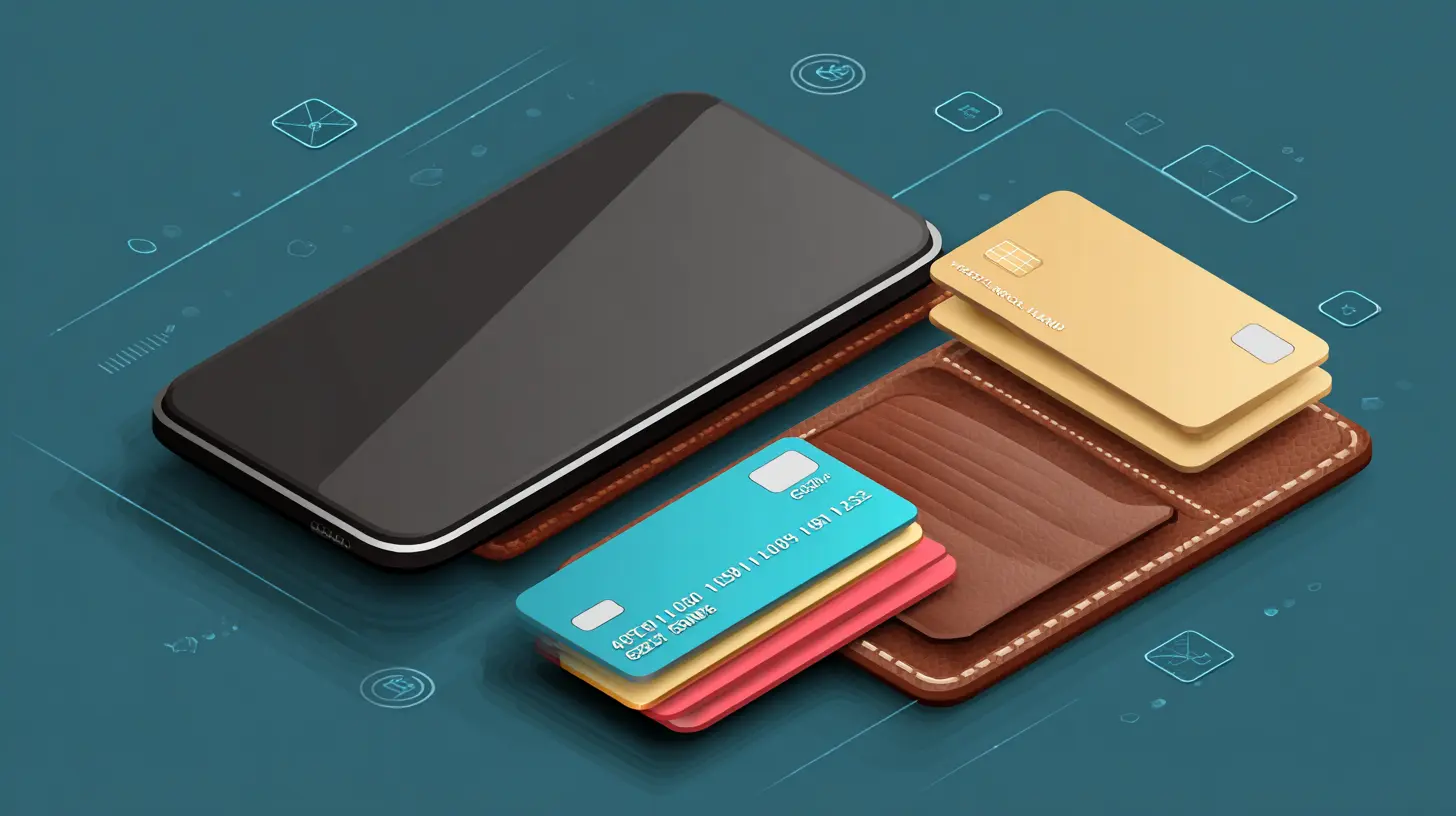
For decades, the loyalty card was the anchor. It lived in your wallet, next to your driver's license and debit card. It was a physical reminder of your relationship with a brand. The card itself had status. Think of the old American Express gold card or the premium tiers of airline frequent flyer programs. The plastic was a symbol.E-wallets have changed that. The wallet itself is now the container for everything. Your payment cards, your transit passes, your event tickets, and your loyalty accounts all live in the same digital space. The loyalty program is no longer a separate artifact. It is a layer within the payment experience.
This matters because it changes the trigger for loyalty. In the old model, you had to remember to use your loyalty card. In the new model, the loyalty account can be automatically attached to the payment method. When you tap your phone to pay, the system can recognize you, apply your points, and update your balance without you doing anything. That is a massive reduction in friction.
But there is a hidden cost. The physical card was a tangible reminder of the brand. You saw it every time you opened your wallet. The digital version is invisible until you actively look for it. Brands are losing that passive brand presence. The solution is not to bring back plastic. It is to create digital touchpoints that remind customers of the value they are accumulating, such as push notifications, in-app balance updates, and personalized offers that appear at the point of sale.
How E-Wallets Are Reshaping Point Accumulation
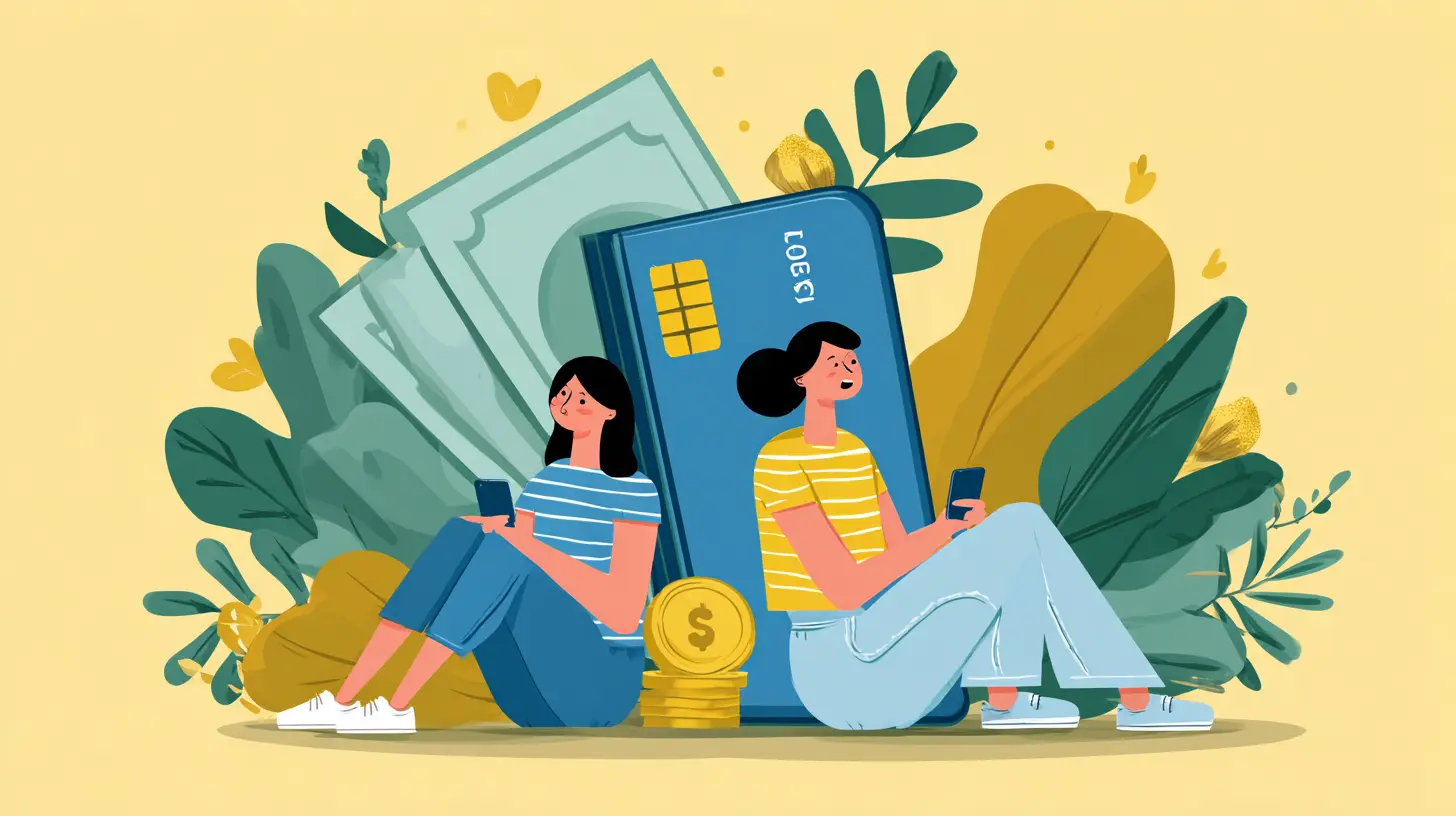
The most visible change is how points are earned. In the past, you earned points only when you paid with a specific card or presented a loyalty card at checkout. Now, e-wallets allow for a more fluid connection between payment and loyalty.Consider a coffee shop. With a traditional app, you might scan a barcode to earn points, then pay separately with your phone or card. That is two steps. With an integrated e-wallet, the payment and the loyalty earn happen in one tap. The merchant knows who you are from the payment token, and the points are credited automatically.
This integration is not just about speed. It changes the economics of loyalty. When earning is automatic, customers are more likely to stay enrolled. They do not have to remember to do anything. That increases the effective redemption rate and the perceived value of the program.
However, there is a nuance. Automatic earning can also lead to automatic indifference. If points accumulate without any effort, customers may not feel the same sense of achievement. Some programs are countering this by introducing gamification elements, such as bonus point challenges or tier-based milestones, that require active participation. The key is to balance effortless earning with moments of active engagement.
The Rise of Tokenization and What It Means for Loyalty
Tokenization is the technical backbone of e-wallets. When you add a credit card to Apple Pay, the actual card number is replaced with a unique token. This token is what gets transmitted during a transaction. It is a security measure, but it has a side effect for loyalty programs.With tokenization, the merchant sees a token, not your card number. That means the merchant cannot easily link your transaction to your loyalty account using the card number alone. They need a different identifier, such as your phone number, email, or a unique loyalty ID that is passed along with the payment.
This is a critical technical detail. Many loyalty program managers overlook it. They assume that because the payment is digital, the loyalty integration will be seamless. In reality, the integration requires a deliberate data-sharing agreement between the payment provider, the merchant, and the loyalty platform. If that agreement is not in place, the points will not be credited.
The practical advice here is to work with payment providers that offer loyalty APIs. Apple and Google have both introduced frameworks that allow merchants to attach loyalty cards to their wallets. But the onus is on the merchant to build the connection. Do not assume that the e-wallet will automatically know your loyalty program. You have to build the bridge.
Data Collection and the Privacy Trade-Off
E-wallets generate a treasure trove of data. Every tap tells you where the customer is, what they bought, when they bought it, and how much they spent. This is far richer than the data you get from a traditional loyalty card, which only shows you transactions where the card was scanned.But this data comes with a price. Consumers are increasingly aware of how their data is used. The backlash against data brokers and targeted advertising has made people cautious. If your loyalty program is too aggressive in collecting data, or if you use the data in ways that feel creepy, you will lose trust.
The best practice is to be transparent. Tell customers exactly what data you collect through the e-wallet integration and how you use it. Give them control over their data. Let them opt out of personalized offers if they want. The goal is to use the data to improve the customer experience, not to exploit it.
There is also a practical concern. Data from e-wallets is often fragmented. A customer might pay with Apple Pay at your store, but also use a physical card at another location. You need a robust identity resolution strategy to connect these different touchpoints. Otherwise, you will have a distorted view of the customer's behavior.
The Shift from Points to Instant Rewards
One of the most significant changes is the move away from points that accumulate over months toward instant rewards. E-wallets enable real-time redemption. You can earn a reward on one purchase and apply it to the next purchase within seconds.This is a double-edged sword. On the one hand, instant rewards are highly satisfying. They create a sense of immediate value. On the other hand, they can erode the long-term loyalty that points-based programs were designed to build. If customers get a small discount every time, they may not feel any reason to stay loyal to your brand over a competitor who offers a similar instant discount.
The solution is to offer both. Use instant rewards for low-value, high-frequency purchases. Use a points-based system for high-value, low-frequency purchases. For example, a grocery store might offer instant cashback on every purchase, but also accumulate points that can be redeemed for a free turkey at Thanksgiving. The instant reward keeps the customer engaged. The points system builds a longer-term relationship.
Super-Apps and the Consolidation of Loyalty
In many parts of the world, e-wallets are not just payment tools. They are super-apps. WeChat Pay in China, Grab in Southeast Asia, and Paytm in India are examples. These apps combine payments, messaging, ride-hailing, food delivery, and loyalty into a single platform.The rise of super-apps is changing loyalty in a fundamental way. Instead of having a separate loyalty program for each merchant, customers have a single loyalty ecosystem within the super-app. The super-app aggregates points from different merchants and offers a unified redemption experience.
This is both an opportunity and a threat for brands. The opportunity is that you can tap into a huge existing user base. The threat is that you lose control over your loyalty program. The super-app owns the customer relationship. You are just a merchant in their ecosystem.
If you are considering joining a super-app, think carefully about the terms. Can you access the customer data? Can you communicate with the customer directly? Can you differentiate your loyalty offers from competitors within the same app? If the answer to these questions is no, you may be better off building your own loyalty program within your own app, even if it means less reach.
The Role of Biometrics and Frictionless Checkout
E-wallets are increasingly integrating biometric authentication, such as fingerprint scanning and facial recognition. This is not just about security. It is about speed. The faster the checkout, the more likely the customer is to complete the purchase.For loyalty programs, biometrics offer a unique opportunity. Instead of asking the customer to scan a barcode or enter a phone number, the system can recognize the customer through their biometric data. This makes earning points truly effortless.
But biometrics also raise serious privacy concerns. Consumers are not comfortable with the idea of their face or fingerprint being used for marketing purposes. The key is to use biometrics only for authentication, not for data collection. Keep the biometric data on the device, as Apple does with Face ID. Do not store biometric data on your servers.
Common Mistakes Brands Make with E-Wallet Loyalty
Many brands are making the same mistakes when they try to integrate loyalty with e-wallets. Here are the most common ones, and how to avoid them.The first mistake is treating the e-wallet as just another payment method. If you do not integrate loyalty into the payment flow, you are missing the entire point. The customer should earn and redeem points without any extra steps.
The second mistake is ignoring the existing loyalty program. Many brands launch a new e-wallet integration without migrating their existing loyalty members. This creates a two-tier system where some customers have points and others do not. The result is confusion and frustration.
The third mistake is over-engineering the loyalty program. Just because you can offer complex tiered rewards and gamified challenges does not mean you should. Consumers are already overwhelmed with notifications and offers. Keep the program simple and focused on value.
The fourth mistake is neglecting the redemption experience. Earning points is easy. Redeeming them is often a nightmare. If the redemption process is clunky, customers will lose trust in the entire program. Make redemption as seamless as earning.
The fifth mistake is failing to measure the right metrics. Many brands measure enrollment and point issuance, but they do not measure redemption rates, incremental revenue, or customer lifetime value. Without these metrics, you cannot know if the program is actually working.
The Misconception That Digital Loyalty Is Always Better
There is a widespread assumption that digital loyalty programs are inherently superior to physical ones. This is not always true. Physical cards have some advantages that digital programs struggle to replicate.A physical card is a status symbol. It can be shown to others. It can be collected. It can be a conversation starter. Digital loyalty is invisible. It does not have the same social signaling power.
Physical cards also work better in certain contexts. If your customers are not tech-savvy, or if your store has poor internet connectivity, a physical card is more reliable. Do not force a digital solution on a customer base that is not ready for it.
The best approach is often a hybrid. Offer both a physical card and a digital wallet integration. Let the customer choose. This respects their preferences and ensures that you do not alienate a segment of your audience.
How to Design a Loyalty Program That Works with E-Wallets
If you are starting from scratch, or if you want to redesign your existing program, here is a practical framework.First, define the core value proposition. What exactly does the customer get? Is it cashback, discounts, exclusive access, or free products? Be specific. Vague promises do not drive behavior.
Second, map the customer journey. Where does the customer interact with your brand? At the point of sale, online, through the app? The loyalty program should be present at every touchpoint, not just at checkout.
Third, choose the right technology. You need a loyalty platform that can integrate with major e-wallets. Look for platforms that offer APIs, real-time data sync, and robust security. Do not try to build everything from scratch unless you have a very large budget.
Fourth, design the earning and redemption rules. Keep them simple. Use instant rewards for low-value purchases and points for high-value purchases. Make redemption available at the point of sale, not just through a separate portal.
Fifth, test and iterate. Launch a pilot program with a small group of customers. Gather feedback. Adjust the rules and the user experience based on what you learn. Do not expect to get it right on the first try.
The Future of Loyalty in the E-Wallet Era
The trend is clear. Loyalty programs are moving from being a separate system to being an integrated part of the payment experience. The e-wallet is becoming the primary interface for customer engagement.In the future, we will likely see more partnerships between loyalty programs and e-wallet providers. We will also see more use of artificial intelligence to personalize offers in real time. The challenge will be to use these technologies without alienating customers who value their privacy.
We will also see a shift from transaction-based loyalty to engagement-based loyalty. Instead of just rewarding purchases, brands will reward behaviors like writing reviews, referring friends, and sharing content. This is a natural evolution because e-wallets allow brands to track a wider range of customer interactions.
The brands that succeed will be those that treat loyalty as a relationship, not a transaction. They will use e-wallets to make the relationship more convenient, but they will not lose sight of the emotional connection that drives true loyalty.
Practical Recommendations for Decision Makers
If you are a business leader or a marketing executive, here are the key takeaways.Do not wait for the perfect solution. Start with a simple integration and improve it over time. The cost of doing nothing is higher than the cost of making a mistake.
Invest in data infrastructure. The value of e-wallet loyalty comes from the data. If you cannot capture, store, and analyze that data, you are leaving money on the table.
Train your staff. Your frontline employees need to understand how the loyalty program works. They are the ones who will help customers enroll and redeem.
Communicate with your customers. Tell them why they should use the e-wallet integration. Show them the value. Do not assume they will figure it out on their own.
Finally, be patient. Building a successful loyalty program takes time. The e-wallet integration is just the beginning. The real work is in creating a program that customers actually want to be part of.
The era of e-wallets is not about replacing loyalty programs. It is about making them more relevant, more convenient, and more valuable. The brands that understand this will thrive. The ones that do not will be left behind.
all images in this post were generated using AI tools
Category:
Digital WalletsAuthor:

Yasmin McGee
Discussion
rate this article
2 comments
Nina Green
Loyalty programs are evolving, adapting to the digital age with e-wallets leading the charge. Embracing these changes can unlock new opportunities for consumers and businesses alike, fostering deeper connections and enhancing rewards. The future looks bright for savvy spenders.
September 6, 2026 at 10:44 AM
Rusty Watson
Loyalty programs are evolving quickly with e-wallets. It's fascinating to see how digital conveniences are reshaping customer engagement and incentives. I wonder how businesses will adapt to keep up with changing consumer expectations.
September 1, 2026 at 3:44 AM
Yasmin McGee
You're right. The shift to e-wallets is redefining loyalty programs, making it essential for businesses to innovate and stay connected with consumers' needs. It will be interesting to watch how this unfolds.