Understanding the Risk of Investing in Emerging Markets
11 February 2026
Investing in emerging markets can feel a bit like skydiving. It’s thrilling, full of potential, and if done right, the reward can be huge. But — just like leaping out of an airplane — you need to understand the risks and have the right gear in place before you take the plunge.
Emerging markets are like the new kids on the economic block. Countries like Brazil, India, Indonesia, Mexico, and South Africa are commonly referred to as emerging markets. They’re showing promising growth, evolving economies, and expanding middle classes. Sounds exciting, right?
Now, here’s the thing — with the potential for high returns comes equally high risk. If you're thinking about investing in emerging markets, it’s essential to weigh the risks against the rewards. In this article, we’ll break it all down for you: the good, the bad, and the not-so-pretty.

What Are Emerging Markets Anyway?
Let’s not assume everyone is on the same page. Emerging markets are economies that are moving from low income, less developed, and less industrialized to more modern economies with better standards of living and infrastructure.These countries are catching up with the developed world, and investors are eager to get in early while prices are still low. Think of it like buying a fixer-upper property in a neighborhood that’s about to become the next hot spot — but you're not 100% sure if it'll actually gentrify.
Characteristics of Emerging Markets
- Rapid economic growth- Young and growing population
- Increasing industrialization
- Improving infrastructure
- Expanding capital markets
Sounds like a winning combination, right? But don’t pack your investment bags just yet — let's talk risk.

What Makes Investing in Emerging Markets Risky?
1. Political Instability and Government Interference
Political uncertainty is probably the biggest red flag when it comes to emerging markets. Government changes, revolutions, coups, or even simple policy shifts can send markets swinging.One day you're up 10%, and the next, a new tax policy wipes out your gains. Some governments may even nationalize industries — meaning they take control of private businesses. That’s not exactly what investors want to hear.
2. Currency Volatility
Imagine investing in a promising tech startup in Argentina. Your stock doubles in value — awesome! But hold on — the Argentine peso lost 30% of its value. Suddenly, your gains are eaten up by currency depreciation.Currency risk in emerging markets is no joke. Many of these countries have unstable exchange rates. It’s like trying to build a sandcastle during high tide — parts of it just keep washing away.
3. Liquidity Issues
In developed markets, you can buy and sell stocks pretty easily. In some emerging markets? Not so much. The volume of trading is often lower, meaning there may not be buyers lined up when you want to sell.You might be stuck holding onto an asset longer than you'd like, or worse, selling at a loss just to get out. That’s the liquidity trap — and it can get ugly real fast.
4. Corporate Governance and Transparency
Let’s just say not every emerging market follows the same accounting rules or corporate ethics as you’d find in, say, the U.S. or the UK.Things like financial disclosures, conflicts of interest, and even outright fraud are more common than you'd hope. It’s like trying to play a board game where the rules are constantly changing and no one’s keeping track of the score.
5. Economic Dependence on Commodities
Many emerging economies rely heavily on one or two major industries — oil, mining, agriculture, etc. If those industries take a hit, the entire economy can suffer.Think about Venezuela — once a booming oil economy. A drop in oil prices led to economic collapse. That’s a massive risk for investors who didn’t diversify.
6. Regulatory and Legal Uncertainty
Imagine signing an investment deal, only to find out later that local laws changed, your permits were revoked, or taxes tripled overnight. That kind of unpredictability is more common than you might think.Legal systems in emerging countries are sometimes underdeveloped or influenced by corruption. If you get into a dispute, good luck with fair arbitration.
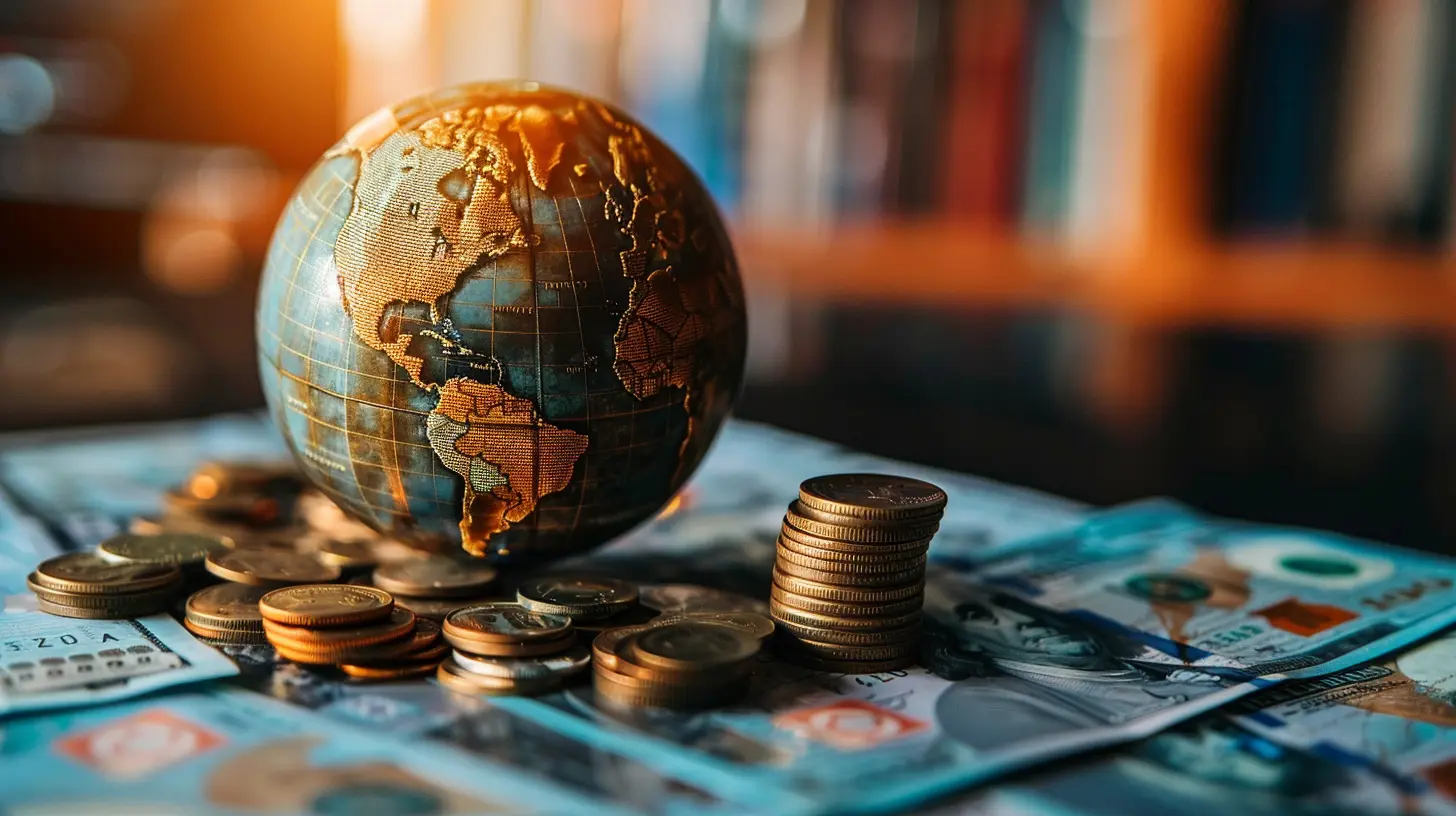
The Upside: Why Investors Still Take the Risk
So you might be thinking, “Why would anyone put their money into emerging markets with all these red flags?” Fair question. But here’s the flip side.1. Higher Growth Potential
Many emerging markets are growing at twice or even three times the rate of developed economies. That’s a lot of potential upside.Imagine investing in China in the early 2000s before the economic explosion. That’s the kind of growth story investors are chasing.
2. Portfolio Diversification
You’ve heard the phrase “Don’t put all your eggs in one basket,” right? Emerging markets offer a way to diversify beyond the familiar U.S. or European stocks.Even though emerging markets can be volatile, they don’t always move in the same direction as developed markets. That can actually help reduce your portfolio's overall risk if managed smartly.
3. Undervalued Assets
Sometimes, you can find a diamond in the rough. Stocks or companies in emerging markets might be undervalued simply because the market is less efficient. If you do your homework, opportunities are there.4. Investment in the Future
Emerging markets are where the next billion consumers are coming from. Rising middle classes mean more buying, spending, borrowing, and investing. It’s a long-term play, but if you're patient, it could pay off massively.
How to Manage Risk When Investing in Emerging Markets
Alright, we’ve talked about the scary stuff — now let’s talk strategy. How do you dip your toes into emerging markets without diving headfirst into danger?1. Diversify Within Emerging Markets
Don’t just pick one country and go all in (yes, I’m looking at you, crypto bros who went all-in on Venezuela). Spread your investments across different regions and sectors. Asia, Latin America, Eastern Europe, and Africa all offer diverse opportunities and risk profiles.2. Use ETFs and Mutual Funds
Unless you’re an expert on every emerging country’s political setup and currency trends, you're probably better off using specialized funds. Emerging Market ETFs and mutual funds are managed by professionals who know what they’re doing — and best of all, they offer instant diversification.3. Hedge Currency Risk
Currency swings might be unavoidable, but you can hedge. There are tools like currency futures and options, or you can look for USD-hedged funds that protect against major fluctuations.4. Keep an Eye on Inflation and Interest Rates
High inflation can erode your profits quickly. Monitor economic indicators like inflation rates, central bank policies, and GDP growth. These give clues about where an emerging market might be headed.5. Watch Political and Regulatory Changes Closely
Stay updated on local and global news. Changes in administration, new trade deals, or international sanctions can all drastically impact your investment.6. Don’t Ignore the Exit Strategy
Entering a market is exciting. But how will you get your money out if things go south? Always have an exit strategy. It’s better to leave with a small loss than to be caught in a freefall.Conclusion: Is It Worth It?
Investing in emerging markets comes with risk — no sugarcoating that. But with smart strategies and a patient, long-term mindset, it can be a rewarding piece of your investment puzzle.Think of it like this: emerging markets are the wild side of the finance world — unpredictable, exciting, a bit dangerous — but with the right preparation, you can enjoy the ride and come out ahead.
If you're risk-averse or looking for stability, these may not be your jam. But if you're adventurous, have a solid plan, and are looking for long-term growth, emerging markets could be the hidden gems you've been searching for.
Just remember: the thrill is real, but so is the fall. So, suit up, do your homework, and make sure you've got a parachute.
all images in this post were generated using AI tools
Category:
Investment RisksAuthor:

Yasmin McGee
Discussion
rate this article
2 comments
Calder Hubbard
Investing in emerging markets can offer high returns, but it comes with significant risks, including political instability and currency fluctuations. It's crucial for investors to conduct thorough research, diversify their portfolios, and remain mindful of their risk tolerance before diving into these markets.
March 22, 2026 at 1:13 PM
Yasmin McGee
Thank you for your insightful comment! You’ve highlighted key considerations for investors in emerging markets. Thorough research and diversification are indeed vital for managing risks effectively.
Theo Potter
Opportunity and uncertainty dance; discernment is the investor's greatest ally.
February 11, 2026 at 4:17 AM
Yasmin McGee
Thank you for your insightful comment! Indeed, discernment is crucial in navigating the complexities of emerging markets.